

Spiritual
Breathwork Retreats: Wim Hof, Pranayama & Other Styles
From the quiet rhythm of pranayama to Wim Hof breathing and music-led sessions, explore the different ways a breathwork retreat can unfold.
 By Rob Horsfall
Advertisement / affiliate disclosure: This guide contains affiliate links. If you buy through a link marked “Ad”, Review My Retreat may earn a commission at no extra cost to you. As an Amazon Associate, Review My Retreat earns from qualifying purchases.
Explore the styles: Pranayama, Wim Hof, slow breathing, box breathing, conscious connected breathwork and Holotropic Breathwork.
Choose your rhythm: A quiet yoga-based weekend and an intensive breathing workshop offer very different experiences.
Before booking: Check the exact method, facilitator training, session length and time for rest.
What does a breathwork retreat actually involve?
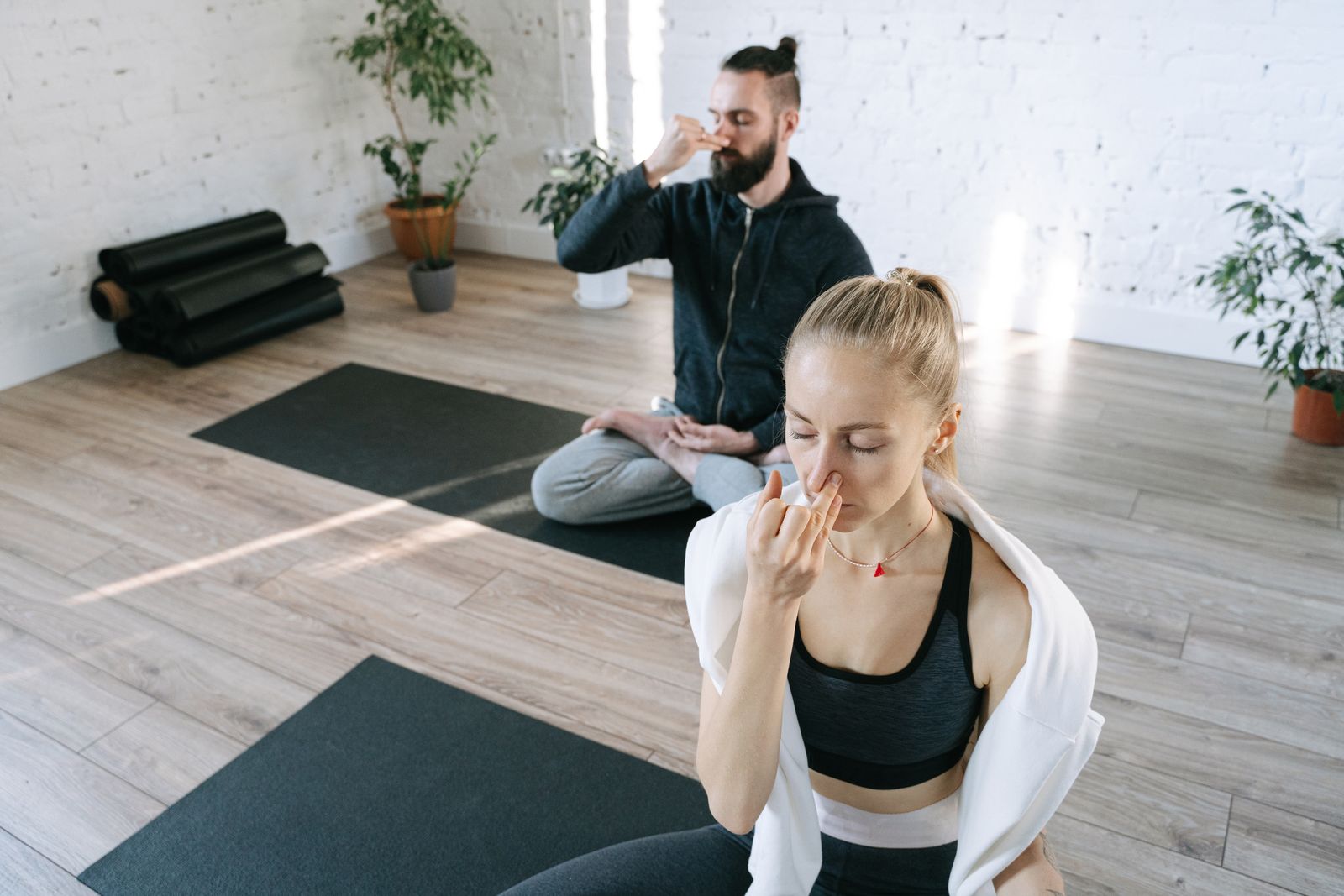
In one room, a group sits quietly, following the breath from one nostril to the other. In another, participants lie on mats while music builds around a more active breathing session. Both may appear under the same heading: a breathwork retreat.
What connects these experiences is time set aside to explore breathing with guidance. What changes is the pace, the technique and the atmosphere. A yoga-based retreat might weave pranayama into morning practice; a Wim Hof programme brings breathing together with separate cold-exposure and mindset sessions; another retreat may centre on longer, music-led breathwork.
The most useful starting point is the method that interests you. Then look at the setting, teacher and daily rhythm. Our guide to what a retreat involves explains the wider formats, from a short workshop to a residential stay.
Six types of breathwork you might encounter
The name on the timetable can tell you a lot about the experience ahead. These six approaches offer different rhythms, settings and ways to explore the breath. Use the descriptions to compare programmes, rather than as instructions for practising intensive techniques on your own.
1. Pranayama: the many rhythms of yogic breathing
Pranayama belongs to the yoga tradition and includes a whole family of breathing practices. A class might move between quiet observation, a gentle sound on the exhale and a more energising rhythm. Four names you may see are:
- Nadi Shodhana and Anulom Vilom: forms of alternate-nostril breathing, using a hand to regulate airflow through each nostril. Teaching details, including breath holds, vary.
- Bhramari: often called humming bee breath, with a steady humming sound during the exhalation.
- Ujjayi: rhythmic breathing with an audible, softly textured sound, often encountered alongside yoga postures.
- Kapalabhati: a vigorous yogic cleansing practice, commonly taught alongside pranayama, involving active abdominal exhalations and passive inhalations.
The Gujarat State Yog Board describes these traditional practices. Ask which techniques the retreat teaches and whether its emphasis is on yoga, meditation or dedicated breath training. Pranayama includes both gentle and demanding practices.

2. Wim Hof Method: breathing, cold and mindset
If the idea of a retreat includes learning about the cold as well as the breath, this is a name you will probably recognise. The Wim Hof Method has three pillars: breathing, cold exposure and mindset. Its breathing component involves rounds of deeper breathing and breath retention; cold exposure is a separate activity.
Look for an instructor whose current certification you can check, and ask what the programme includes beyond an ice bath. A generic breathwork-and-cold-water weekend is not automatically an official Wim Hof event.
Keep the breathing exercise separate from the water. The official safety guidance warns that fainting can occur: never practise Wim Hof breathing in water, in the shower or while driving. During cold-water exposure, the guidance is to breathe normally.
3. Slow and coherent breathing: finding a steady pace
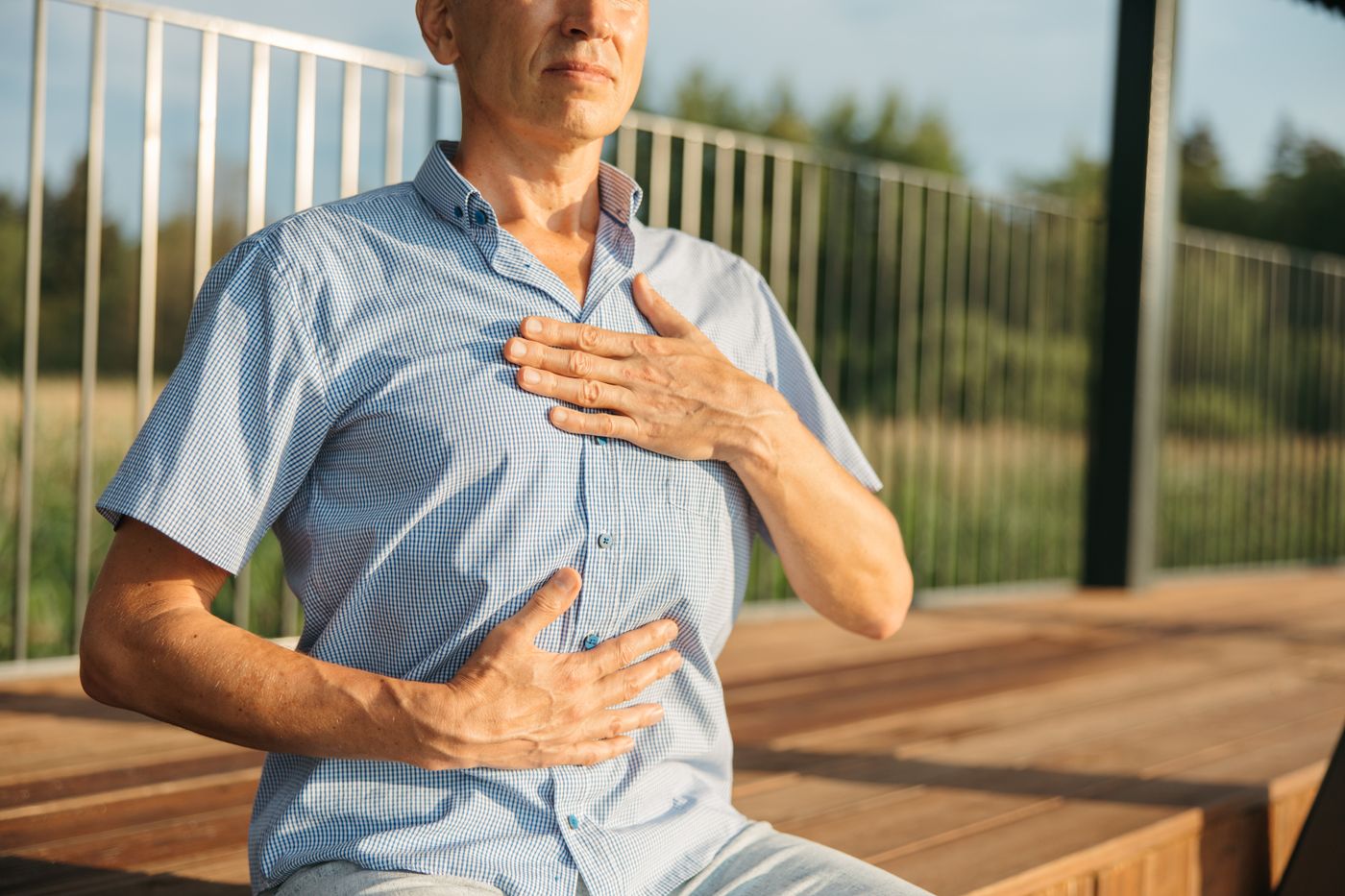
Here, the interest is in settling into a comfortable rhythm. A teacher may use counting or an audio cue to guide the pace. Coherent breathing usually refers to slow, evenly paced breathing; one research protocol used about 5.5 breaths per minute. You may also see resonant breathing advertised, sometimes with an individually assessed pace.
This is worth exploring if you are drawn to a quieter programme and a practice to revisit at home. Ask whether the pace is adapted to comfort and whether holds are involved. The NHS approach to breathing for stress emphasises breathing gently without forcing it.
4. Box breathing: a four-part pattern
Box breathing gives the breath a clear structure: inhale, pause, exhale, pause, with equal time for each part. Some people like having that mental framework to follow. A retreat might introduce it as one tool within a broader wellbeing programme.
Because the pattern includes holds, ask how the teacher adapts it for beginners. It was one of three methods in a Stanford-led study of brief daily breathing practices.
5. Conscious connected breathwork: a continuous flow
The defining feature is the link between inhale and exhale, without a pause between them. The International Breathwork Foundation distinguishes this pattern from the wider practice, which can include other body-and-mind approaches. Schools differ in pace, music, facilitation and spiritual or psychological framing.
If you are curious about an immersive session, ask what it involves: will you be seated or lying down, how long will you breathe, and what happens afterwards? A connected pattern does not automatically mean the same intensity at every retreat.
6. Holotropic Breathwork: music and supported exploration
Developed by Stanislav and Christina Grof, Holotropic Breathwork is a specific approach to self-exploration. The official description combines accelerated breathing with evocative music, usually while lying on a mat. Group workshops commonly involve partners taking turns as the person breathing and the supporting “sitter”, with trained facilitators present.
Integration may include mandala drawing and discussion, giving the process a different shape from a short breathing class. Check the facilitator’s Grof Transpersonal Training (GTT) certification and the full workshop structure; the name should not be used as a catch-all for any fast breathwork.
Compare the approaches at a glance
| Approach | Defining feature | A useful question |
|---|---|---|
| Pranayama | A family of yogic breath practices | Which techniques and holds are included? |
| Wim Hof | Breathing and retention, plus separate cold and mindset work | Is the instructor certified? |
| Slow / coherent | A steady, slower rhythm | Is the pace adapted to the participant? |
| Box breathing | Four equal phases, including pauses | Can the timing be adjusted? |
| Connected | Inhale and exhale linked without pauses | What are the pace and duration? |
| Holotropic | Accelerated breathing, music, paired support and integration | Who facilitates the full process? |
What does the research tell us?
Research is promising, but it does not identify one best retreat style. A 2023 meta-analysis found lower self-reported stress after breathwork compared with controls, while noting limitations in the evidence. Most of its stress studies involved slow breathing.
A Stanford-led trial found improvements in mood and breathing rate with brief daily practices, especially exhale-focused cyclic sighing. Meanwhile, a trial with 400 participants found coherent breathing did not outperform an attention-matched breathing comparison. These studies examined particular practices, not the benefits of booking a residential retreat. Choose for the teaching, experience and setting, with realistic expectations.
Find a facilitator who knows the method
A good teacher can make an unfamiliar practice easier to understand. Find out who will actually lead the sessions, what training they have in that method and how much experience they have with groups of the advertised size. For a branded approach, check the relevant training organisation or instructor directory.
Ask how the teacher adapts sessions, supports someone who wants to stop and explains the limits of their role. A breathwork certificate and a regulated healthcare qualification are different things. If a clinician is advertised, check their professional registration; the HCPC register is one UK example.
Check the practice suits you
Faster breathing, forceful breathing and breath retention need particular care. Discuss the exact method with the organiser and seek individual healthcare advice beforehand if you are pregnant, have relevant physical or mental health conditions, or have had a difficult reaction to breathwork. The Wim Hof guidance, for example, lists circumstances in which its method is unsuitable.
Look for a private suitability discussion and a clear way to pause, return to normal breathing or leave a session. Stop if you feel dizzy or uncomfortable. Never change prescribed treatment to meet a retreat’s participation rules without speaking to your prescriber. Ask what happens to your booking if the main practice turns out to be unsuitable.
Make room for your own pace
Ask whether sessions involve touch, paired work, loud music, covered eyes or personal sharing, and how you can decline. Being able to observe, sit in a chair or take a break should be an ordinary option. You should not have to explain private history to the whole group.
Strong emotions may arise in some formats, but nobody needs to produce a dramatic experience. Look for facilitators who respect boundaries and explain the support available during and after sessions.
Picture a day on the retreat
Imagine the whole day, rather than just its headline session. A yoga-based programme might pair morning pranayama with movement and meditation. A dedicated workshop may allow longer for preparation, breathing and reflection. Ask for a sample timetable showing session lengths, meals, free time and optional activities.
Think about what you want between practices: company, nature, quiet or plenty of rest. If silence is the main attraction, explore a silent retreat; for a wider mix of practices, compare spiritual retreats. Choose a daily rhythm you would enjoy living.
Try a shorter introduction first
A local class or introductory workshop can help you discover whether you enjoy a particular method and a teacher’s approach. Check that the introduction represents the residential programme: a gentle breathing lesson may feel very different from a longer intensive session.
If you prefer exploring from home, our guide to online meditation courses offers another route into structured quiet time. Meditation and breathwork overlap in some programmes, but they are distinct practices.
Compare the full cost and practical details
Confirm the room type, meals, teaching, equipment and any separate treatments. Check shared bathrooms, travel arrangements and whether the practice space suits your access needs. Read the cancellation terms, including what happens if the facilitator changes or you withdraw after the suitability discussion.
The best value may be a small, well-taught weekend with room to rest. Compare what you will actually experience, rather than the number of activities on the timetable.
Bring the experience home
Ask which gentle practices you can continue independently and what follow-up support is available. Leave time between the final session and travelling home. Comfortable clothes and a notebook are useful; check whether mats, blankets, chairs or meditation cushions are supplied.
A few notes about the teaching you enjoyed can be more useful than trying to recreate a powerful session. If you feel unwell or unusually distressed afterwards, seek appropriate healthcare. There is no need to treat discomfort as a required part of progress.
Questions before you choose
What is the difference between Wim Hof breathing and pranayama?
Pranayama is a broad family of yogic breathing practices. Wim Hof is a specific method with breathing and retention exercises, plus separate cold-exposure and mindset components. Some practices share features, but the teaching context and full programme differ.
Do all breathwork retreats include ice baths?
No. Many focus on yoga-based breathing, slow breathing or connected breathwork without cold exposure. Ice baths are a separate activity; check the timetable and whether they are optional. Never practise Wim Hof breathing exercises in water.
Which type of breathwork is suitable for beginners?
A clearly taught, comfortable slow-breathing session or introductory pranayama class can be a useful starting point. Check the actual techniques: some pranayama includes forceful breathing or holds. Individual suitability, adaptation and the teacher’s support matter more than a beginner label.
Do all breathwork retreats use rapid breathing?
No. Styles range from gentle, steady breathing to more activating practices. Ask about pace, duration, holds and how sessions can be adapted before booking.
Does research prove that a retreat will improve my mental health?
No. Research examines particular techniques and populations, with varying results. Findings from short daily exercises cannot establish the benefits of an intensive retreat or guarantee a result for an individual.
Should I bring a mat and cushion?
Check what is supplied and whether you will sit, use a chair or lie down. Comfortable clothing and suitable support matter more than buying specialist accessories.
Sources and further reading
Method descriptions draw on the organisations below; research findings come from the linked studies. An organisation’s description of its method is distinct from independent evidence of benefits.
- Gujarat State Yog Board: pranayama techniques
- Wim Hof Method: the three pillars and safety FAQs
- International Breathwork Foundation: definitions
- The Institute for Holotropics / GTT: about Holotropic Breathwork
- NHS: breathing exercises for stress
- Fincham and colleagues: breathwork meta-analysis, 2023
- Balban and colleagues: brief structured respiration practices, 2023
- Fincham, Strauss and Cavanagh: coherent breathing trial, 2023
- HCPC: check the register
Photography: Ivan S and Anastasia Shuraeva, used under the Pexels licence. These photographs illustrate breathing practices and do not depict a particular retreat.
Programmes and arrangements can change. Confirm the current details directly with the organiser. Send a correction or an update.
Plan your next step
Find the style that sparks your curiosity.
Start with the practice you want to explore, then find a teacher, setting and daily rhythm that suit you. An introductory class can be a good first step.
Return to the guide ↑About Rob Horsfall
Rob has been interested in spirituality since visiting India in 2002. After completing his philosophy studies at university, he continued studying the Buddha's teachings in Sri Lanka. He returned in 2011 and now spends his time developing Review My Retreat, studying acupuncture and integrating insights from different spiritual traditions into everyday life.
You must be logged in to post a comment.