
The practical guide 2026–2027 update
Learn to meditate.
Find a format that fits.
Eleven online courses and apps to compare, with clear distinctions between free resources, subscription libraries and live teaching.


About this guide: Some retained course links are affiliate links, which may earn us a commission. Review My Retreat also offers paid marketing services to retreat providers. This is an editorial comparison, not a report of first-hand attendance or a clinical recommendation.
An online meditation course can give you a sequence to follow without travelling to a retreat. The important difference is how you learn: a recording you use independently, an app you return to each day, or a scheduled class with an instructor and other participants.
The options below retain the useful range of the original guide while updating names, course formats and links. None is ranked as the best for everyone. Think about your time, budget and need for feedback before choosing.
Start here
For a free structured starting point, explore Palouse Mindfulness. For short sessions, compare app libraries and sample the teacher’s style. For regular live contact, consider an instructor-led course such as MBSR. A completion certificate is not automatically a qualification to teach.
At a glance
Compare the options.
On smaller screens, scroll across the table to see every column.
| Option | Format | Access model | A practical distinction |
|---|---|---|---|
| Palouse Mindfulness | Self-guided eight-week curriculum | Free | Reading, video and practice sheets; not teacher training |
| The Art of Meditation | Burgs’ self-paced programmes | Free samples; paid courses | Spiritual teaching with several course levels |
| Insight Timer | App library and courses | Free and MemberPlus content | Check whether the particular course needs a subscription |
| Headspace | App with beginner sequences | Subscription; sample content | Basics courses alongside a wider content library |
| Calm | Meditation and sleep app | Subscription; trial terms vary | Introductory meditation plus sleep stories and soundscapes |
| Happier Meditation | App with guided courses | Subscription; check current offer | Formerly Ten Percent Happier |
| Waking Up | Practice and theory app | Subscription; trial available | Secular approach with philosophical material |
| UMass Memorial MBSR | Live eight-week Zoom programme | Paid course | Required orientation, weekly classes and substantial home practice |
| The Power of Awareness | Multi-module online course | Paid course | Separate course enrolment rather than a general app |
| The Essential Guide to Meditation | Charlie Knoles video course | Paid course | 44 lessons advertised; check present access terms |
| Jack Kornfield on Udemy | Recorded course | Platform purchase or eligible plan | A finite course of about four hours, not live instruction |
Make it practical
A format that fits your life.
Keep the setup simple.
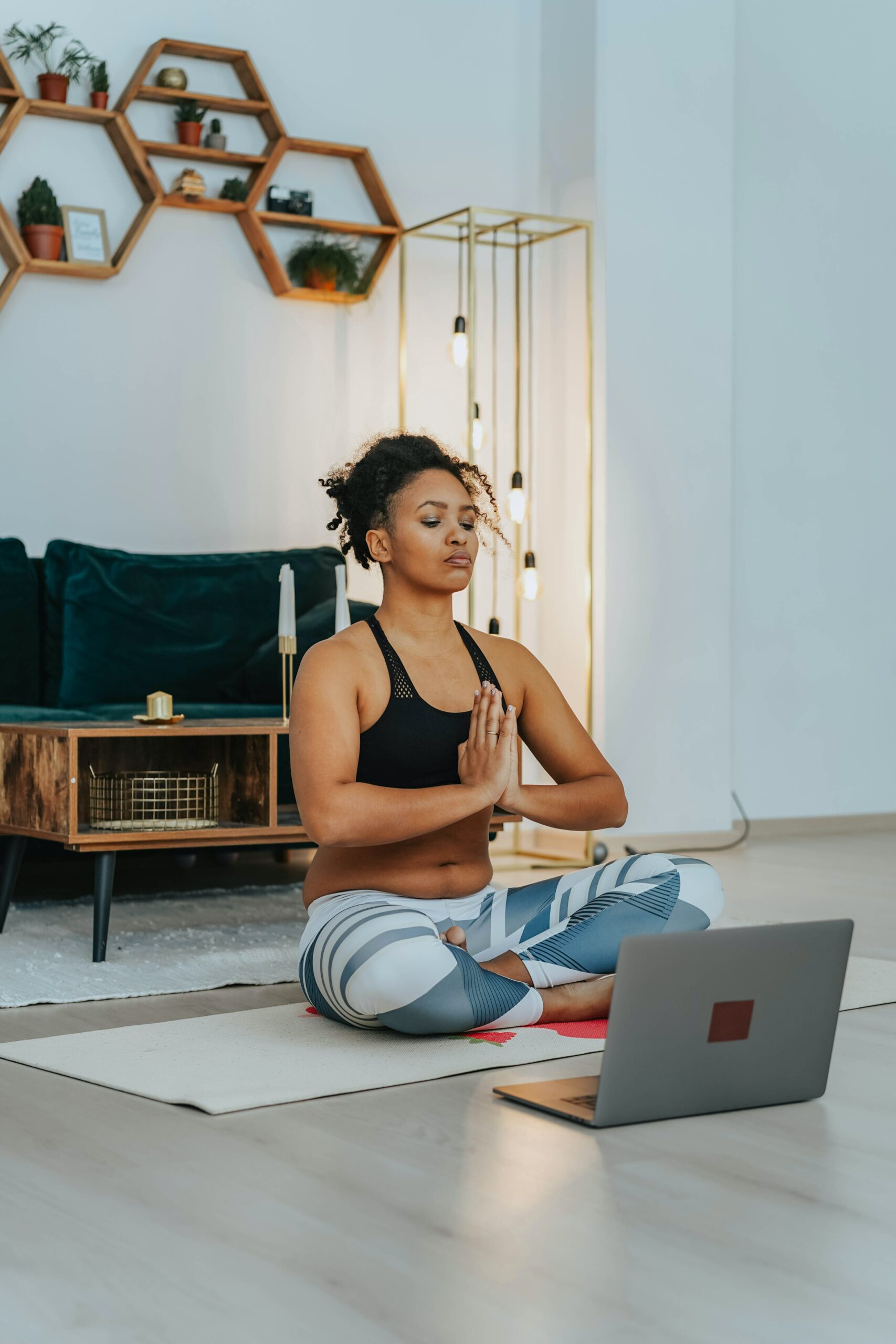
A quiet corner, headphones if useful and a manageable session length are enough to begin. You do not need a special room, expensive props or a particular posture to compare teachers.

Look for a clear sequence.
A large library can be useful, but it is different from a curriculum. Find out where to start, what follows each lesson and what to do when a practice is confusing.

Choose the support you need.
Recorded instruction offers flexibility. Live teaching creates an opportunity for questions. Before subscribing or enrolling, check what contact with a teacher is actually included.
The options
Eleven ways to learn online.
These are different learning formats, not eleven equivalent qualifications. Provider links show the current offer; prices, trials and course access can change.
Palouse Mindfulness
Self-paced MBSR-based curriculumPalouse offers a free eight-week curriculum of reading, video and guided practice. You work through the material independently and can take longer than eight calendar weeks. It suits someone who wants an organised route through mindfulness without a course fee.
Before you choose: Completion requires the provider’s practice and reflection requirements. Its certificate records participation; it does not certify you to teach MBSR. Optional community meetings are different from an individual clinical service.
The Art of Meditation with Burgs
Self-paced courses and audioThe current offering includes an eight-week Stillness Programme, a twelve-week Level 1 course and a longer Level 2 programme. Free recordings let you hear Burgs’ teaching style before committing. Its approach includes spiritual concepts and contemplative practice, so read the syllabus rather than expecting a purely clinical mindfulness course.
Before you choose: A programme name such as “Healing Meditation” describes the provider’s offering; it is not evidence that the course treats a medical condition.
Insight Timer
Free resources and MemberPlusInsight Timer combines guided practices and a timer with structured courses from different teachers. It has free content and an optional MemberPlus subscription for additional courses and features. Teacher style and course structure vary, which makes sampling useful.
Before you choose: Do not assume every course is free. Check the selected course, offline access, trial and renewal terms in your account or app store before paying.
Headspace
App-based courses and sessionsHeadspace provides Basics courses alongside individual guided sessions and other wellbeing content. The beginner material offers a straightforward way to explore the teaching before deciding whether the wider subscription suits you. A guided sequence can be easier to follow than choosing a new recording every day.
Before you choose: Check the current free sample and subscription offer. A meditation subscription and any separately offered therapy service have different purposes and terms.
Calm
App library with introductory programmesCalm’s current library combines meditation with sleep stories, music and soundscapes. Its own starting guidance points newcomers towards 7 Days of Calm and then 21 Days of Calm. This makes it worth exploring if you want a meditation introduction alongside resources for an evening routine.
Before you choose: Sleep content is not the same as a meditation curriculum. Check what the trial unlocks and when a subscription renews; improvement in sleep or mood is not guaranteed.
Happier Meditation
App formerly called Ten Percent HappierThe app listed in the older guide as Ten Percent Happier is now Happier Meditation. Its current platform combines courses and guided sessions with recommendations shaped around users’ stated goals. It is an app-based practice library, rather than a single scheduled class.
Before you choose: Use the current app’s website and billing information. The old brand name does not mean an old review’s prices, teachers or included features are still current.
Waking Up
Meditation with theory and conversationsWaking Up combines Sam Harris’s introductory course with practices and conversations from other teachers. It presents a secular approach and includes material about awareness, philosophy and daily life. It may interest readers who want to understand the ideas behind a practice as well as follow guided sessions.
Before you choose: Sample both the teaching and the practices. Theoretical interest does not make every exercise suitable for every person, and the app is not individual mental-health care.
UMass Memorial: live MBSR
Eight-week live online courseThe UMass Memorial Health Center for Mindfulness offers the eight-week MBSR programme live on Zoom. The published structure includes a required orientation, weekly classes, an extended practice day and daily home practice of approximately 45–60 minutes. This is a larger time commitment than short app sessions.
Before you choose: The schedule uses US Eastern Time: check UK time conversions, particularly around clock changes. This is participation in a course, not MBSR teacher certification; ask about suitability and the current intake.
The Power of Awareness
Online mindfulness programmeThe Power of Awareness brings together teaching from Jack Kornfield and Tara Brach, with additional contributors, across twelve learning modules. It is a dedicated enrolment rather than a general meditation app. Read the current outline to understand the balance of recorded instruction, practice and any community support.
Before you choose: Confirm which mentoring or community features are included in the present enrolment. A completion certificate does not on its own establish a teaching or clinical qualification.
The Essential Guide to Meditation
Charlie Knoles / mindbodygreenThe course page advertises 44 video lessons with Charlie Knoles, covering meditation basics, awareness, concentration and integration into daily life. It offers a finite sequence for someone who prefers working through recorded lessons to a recurring stream of app content.
Before you choose: Check access duration, community support and refund terms at purchase. Treat its broad promotional claims as marketing, rather than a guarantee of particular health or personal outcomes.
Mindfulness Meditation with Jack Kornfield
Core Practices for Living Wisely / UdemyThe current course listing contains approximately four hours of recorded teaching and practice, including sitting and walking meditation, mindful eating and compassion. It can suit someone who wants a defined series they can revisit, with less calendar commitment than a live multi-week programme.
Before you choose: The listing identifies an older recording update; availability is current but the teaching is not newly filmed. Platform discounts vary, so the old guide’s fixed price has been removed. A platform completion certificate is not teacher training.
Choose the format before the offer.
Self-paced course: useful when work or caring commitments make live attendance difficult. Check the order of lessons, practice expectations, access period and the way questions are answered.
Subscription app: useful for a choice of short sessions, but the recurring payment buys access rather than a qualification. Compare the actual curriculum, not the size of the library.
Live course: useful when discussion and regular appointments help you stay engaged. Check time zones, attendance requirements, home practice, accessibility, recordings and what happens if you miss a class.
Read the payment terms.
Trial length, local currency, tax, renewal, cancellation and refunds can differ between web and app-store purchases. Save the terms for the plan you select. We have removed old promotional dollar prices rather than present them as current UK quotations.
Check the meaning of a certificate.
A personal-practice course may offer a participation record. Teaching meditation or MBSR requires a separate training pathway, experience and appropriate professional arrangements. Palouse explicitly says its completion certificate does not certify a mindfulness instructor; UMass distinguishes participation from teacher training.
Practice at a pace you can manage.
You do not have to stop thinking or achieve a special state to begin. Choose a short introduction, follow the instructions and notice whether the voice, pace and language suit you. A chair can be a practical alternative to sitting on the floor.
The NHS mindfulness guide explains that mindfulness can support wellbeing but is not right for everyone; some people feel worse. If a practice becomes upsetting, stop and discuss it with the instructor or an appropriate health professional. Do not force yourself through distress to finish a session.
The NCCIH evidence and safety review notes that research varies in quality and advises against replacing or delaying conventional care with meditation. An app, a spiritual course and clinician-led treatment are different services.
Questions people ask.
Which option is free?
Palouse’s course is free. Insight Timer has substantial free content, while some courses and features require MemberPlus. Other providers offer samples or trials. Check the selected programme rather than assuming the entire platform is free.
Can I learn without a live teacher?
Yes, self-guided resources are available. They require you to choose a routine and work independently. If you want questions answered regularly, check what support the provider actually includes or compare a live course.
How much time do I need?
It depends on the course. A short app session and a full MBSR curriculum are different commitments. Check the lessons, practice time, live sessions and any extended retreat day before enrolling.
Will I be qualified to teach?
A personal meditation course or completion certificate is not automatically a teaching qualification. Read the credential requirements of the relevant training body, insurer or employer before choosing professional training.
Is an online course therapy?
Usually these are educational or wellbeing resources. Some clinically designed programmes use mindfulness within treatment, but that does not make a general app a therapy service. Ask a qualified clinician about care for a mental-health condition.
Sources and review notes.
Substantively reviewed on 24 October 2026 using the official provider pages linked in the profiles and the health-information sources below. We corrected the Ten Percent Happier name, separated apps from live and recorded courses, replaced stale promotional prices and clarified that completion is not teacher certification. Photographs are illustrative archive images, not evidence of attendance at a featured course.
- NHS: mindfulness and suitability ↗
- NCCIH: meditation evidence and safety ↗
- Palouse: completion and teaching questions ↗
- UMass Memorial: programme format and requirements ↗
- Insight Timer: free and paid features ↗
For a correction, use our contact form.
Your next step
Start with a sample.
Listen to one lesson, read the curriculum and check the support and payment terms. A manageable course you understand is a better starting point than an impressive promise.
Explore more retreat guides ↗Keep exploring.
About Rob Horsfall
Rob has been interested in spirituality since visiting India in 2002. After completing his philosophy studies at university, he continued studying the Buddha's teachings in Sri Lanka. He returned in 2011 and now spends his time developing Review My Retreat, studying acupuncture and integrating insights from different spiritual traditions into everyday life.
You must be logged in to post a comment.