

A retreat may provide rest, routine and a change of environment, but depression is a health condition and a wellbeing break is not automatically treatment. This guide explains the difference between clinical residential care and non-clinical retreats, what to verify before booking and when to use NHS or emergency support. Reviewed August 2026.
If depression is affecting daily life, speak to a GP or refer yourself to NHS Talking Therapies where available. If you may harm yourself or cannot keep yourself safe, use urgent NHS mental-health support or call emergency services rather than travelling to a retreat.
Some providers offer regulated assessment and therapy; others offer meditation, yoga, complementary therapies or coaching. Do not assume these services are equivalent. Check the qualifications and professional registrations of the people delivering care.
A supportive environment, regular meals, sleep, movement and time outdoors may help some people feel steadier. These are potential wellbeing benefits, not guaranteed treatment outcomes, and a retreat should not ask you to stop prescribed medication without the clinician responsible for your care.
The options in this guide should be treated as a shortlist for further checks, not endorsements. Programmes, staff, prices and clinical governance change. Contact each provider and request written information before booking.
Bereavement, burnout, anxiety and depression can overlap but may require different support. Choose a service based on proper assessment and your current needs, not on promises of rapid transformation.
What are Retreats for Depression?
Depression can involve persistent low mood, loss of interest, hopelessness, sleep or appetite changes, poor concentration and thoughts of self-harm. Symptoms and severity vary. Assessment by an appropriately qualified professional matters because other health conditions can produce similar symptoms.
“Depression retreat” is not a regulated service category. It may describe anything from a restorative wellness holiday to inpatient psychiatric treatment. The provider should clearly state which service it offers and what it cannot safely support.
A non-clinical retreat may be suitable for rest or practising wellbeing routines when a person is stable. Someone with severe symptoms, active suicidal thoughts, psychosis, mania, significant substance withdrawal or complex medical needs requires an appropriately equipped clinical service.
No retreat can promise to uncover and resolve the single “underlying cause” of depression. Effective care is individual and may include talking therapies, medication, social support, lifestyle changes or specialist treatment.
The Benefits of Depression Retreats
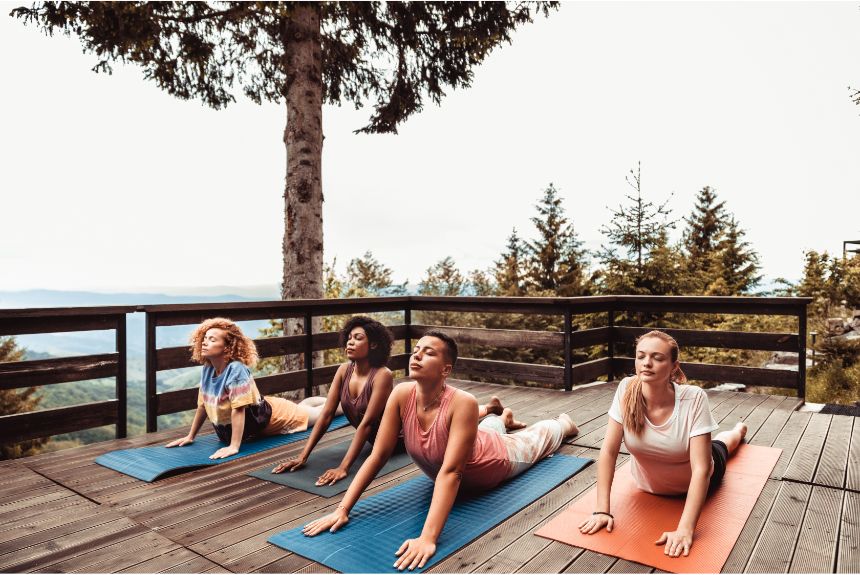
Possible benefits include respite from daily demands, a predictable routine, supportive contact and time to practise skills. The quality and suitability of a programme depend on screening, staff competence, safeguarding and continuity of care.
Mental Wellbeing
Mindfulness, relaxation and structured activities may support wellbeing, but they should be adapted to the participant. Ask what happens if symptoms intensify and whether qualified clinical help is available.
Counselling or group therapy should only be described as treatment when it is delivered within an appropriate clinical framework by suitably qualified practitioners. Verify names, registrations, supervision and aftercare.
Physical Wellbeing

Gentle movement, walking and regular sleep can support general health. Activities such as wild swimming have additional risks and should be optional, supervised and appropriate for the individual’s health and medication.
Social Support
Peer connection can reduce isolation, but confidentiality and group safety need clear boundaries. Ask how groups are facilitated and how the provider responds to conflict, distress or safeguarding concerns.
Holistic Treatments Offered at Wellness Retreats
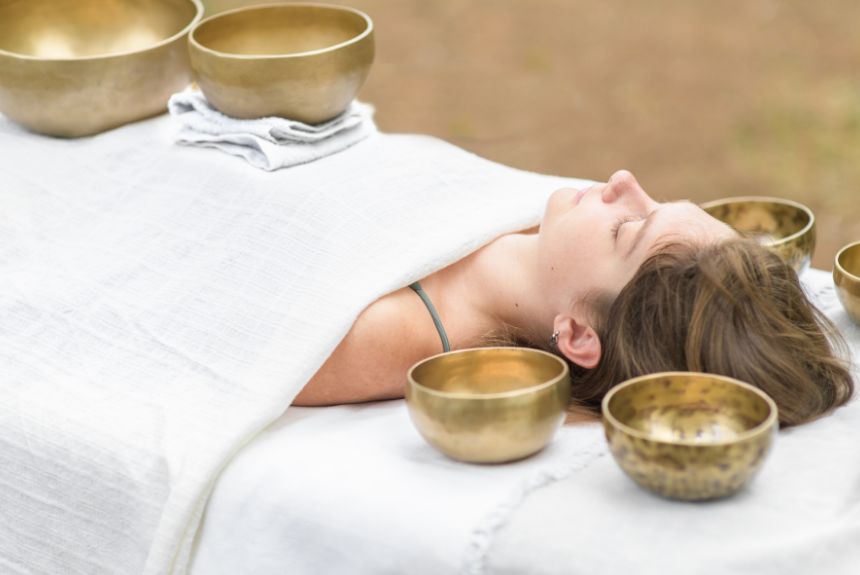
Complementary approaches may be offered alongside rest or clinical care, but evidence and regulation vary. They should not be presented as substitutes for evidence-based depression treatment.
Some of the treatment options you may encounter include:
Holistic Approach
“Holistic” should mean considering a person’s physical health, psychological needs, relationships and circumstances—not assuming that every alternative therapy is effective. Ask what each activity is intended to do and what evidence or safeguards support it.
Equine Therapy

Equine-assisted activities may feel engaging or confidence-building for some people, but programme models and evidence vary. Check facilitator qualifications, animal-welfare standards, insurance and physical-safety procedures.
Breathwork
Breathing exercises can promote relaxation for some people, but intensive breathwork may cause dizziness, panic or distress. Ask about screening, facilitator training and the option to stop.
Acupuncture and Reflexology
Acupuncture and reflexology are complementary practices. They should not be described as treatments that correct an energy imbalance or cure depression. Check practitioner registration, hygiene and contraindications.
Reiki and Energy Healing
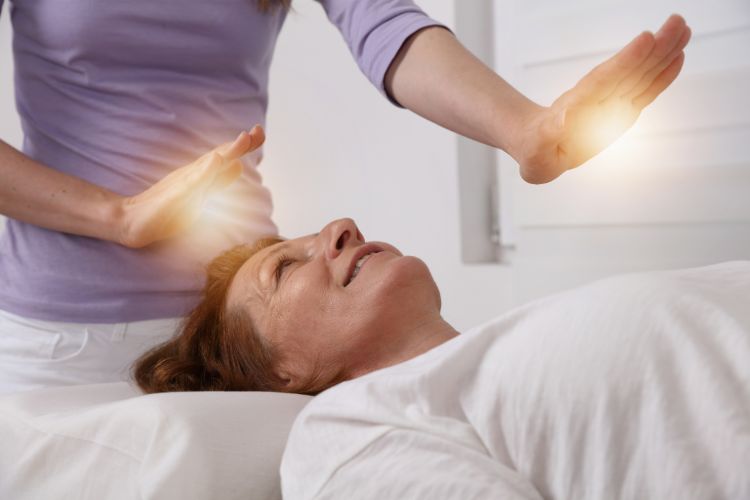
Reiki is a complementary practice and should not be presented as transmitting proven healing energy or treating depression. Some people use it for relaxation; it must not replace appropriate clinical care.
Neurofeedback and CBT
CBT is an evidence-based talking therapy recommended for depression and anxiety. Neurofeedback is a separate intervention with a more limited and condition-specific evidence base. Verify who delivers any treatment and how it fits an assessed care plan.
Mindfulness and Meditation
Mindfulness may help some people notice thoughts and feelings differently, but it is not suitable in the same form for everyone and can sometimes increase distress. Qualified guidance and the ability to opt out are important.
Mindfulness involves intentionally noticing present experience. It does not require suppressing negative thoughts, and it should not be framed as a personal failure if symptoms continue.
Meditation can be one optional part of a broader support plan. Start gently, stop if it worsens symptoms and seek clinical advice when appropriate.
Best Depression Retreats in the UK 2024
There are numerous depression retreats in the UK that cater to different needs and preferences. Some of the best options include:
Thera-Sea Rewilding Escape
Thera-Sea Rewilding Escape is a Cornish rewilding and wild swimming retreat that helps guests to reprogramme their relationship to sleep, well-being, their mental state and the world around them using a restorative blend of surfing, wild swimming, foraging, crafting classes in the middle of the forest and all sorts of relaxation workshops designed to help guests return to their natural rhythm.

The retreat is located on the banks of the River Fal estuary and can only be reached by hiking down a bumpy country track and walking through woodland until you reach a clearing on the banks of the River Fal estuary.
The Zest Life
The Zest Life, a wellness retreat in the picturesque landscape of North Wales, promotes mental and physical well-being through its holistic approach. The Zest Life’s focus on nature, physical activity, and mindfulness practices may alleviate depressive symptoms and support emotional healing.

Nature’s Healing Power: The retreat’s serene setting allows individuals to reconnect with nature through activities like hiking and kayaking. Exposure to nature has been shown to reduce stress, anxiety, and depression, providing restorative effects for mental health.
Physical Activity: Exercise, including yoga and guided hikes, is integral to The Zest Life’s wellness programs. Physical activities release mood-enhancing endorphins and encourage social interaction with like-minded individuals, fostering a supportive community for those grappling with depression.
Mindfulness Practices: The Zest Life offers guided meditation and mindfulness sessions, helping participants develop self-awareness and emotional resilience. These practices have been proven to reduce depressive symptoms and improve mental health by cultivating a non-judgmental awareness of the present moment.
Nourishing Nutrition: The retreat emphasizes the importance of balanced, nutritious meals to support mental health. Locally-sourced, seasonal ingredients form the basis of The Zest Life’s delicious and wholesome cuisine, providing essential nutrients that contribute to emotional well-being.
Secret Spirits
Located in the breathtaking Scottish countryside, the Secret Spirits one-week retreat centres on an influential 12-step spiritual practice called ‘Big Prayer,’ which combines mindfulness, meditation, and yoga.
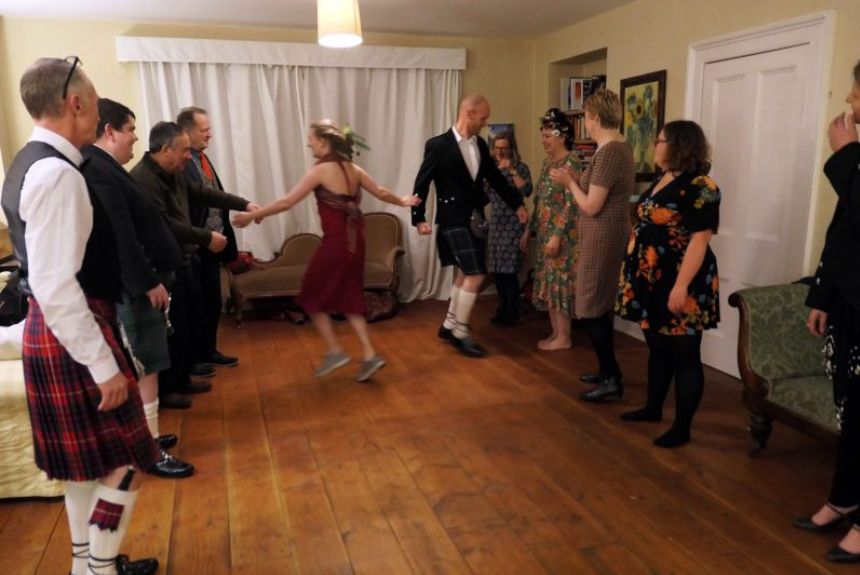
Each day commences with a spiritual session and proceeds with workshops, imaginative pursuits, dining experiences, yoga, psychotherapy, shiatsu massage, and nutritious, soothing meals.
The organizers appreciate that participants are not required to attend all activities if they don’t feel capable, and they continue to offer support for an entire year after the retreat concludes. They also offer Zoom calls for people suffering from depression and give you the support you need.
Anxiety Recovery Retreat
The Linden Method, a life-transforming retreat experience, has been making a difference in people’s lives since 1997. This residential recovery programme includes an assortment of wellness retreats and recovery retreat programmes, each customised to address various conditions such as health anxiety, generalised anxiety and depression, social anxiety, mindfulness, agoraphobia, self-harm, emetophobia, and monophobia.
The retreat venue offers a cosy, relaxed, and home-like atmosphere, where participants can fully engage in a distinct combination of therapies and workshops that boast unparalleled success and renown.
At the centre, a skilled and empathetic team of therapists and counsellors deliver an array of evidence-based treatments, including cognitive-behavioural therapy (CBT), mindfulness, and meditation.
In addition, the centre provides a variety of experiential workshops and activities aimed at helping individuals enhance their self-confidence, boost their self-esteem, and foster a sense of inner tranquillity and serenity.
The Balance Retreat
THE BALANCE sets itself apart as a modern residential treatment centre and mental health facility, distinct from traditional institutions. Conceived as a haven for recovery, tranquillity, relaxation, and happiness, it caters to those in pursuit of a significant shift in their lives.
Individuals seeking increased peace, fulfilment, and purpose will find comfort in THE BALANCE’s comprehension of the intricacies of the human mind. The centre boasts luxurious facilities in Mallorca, Spain, with supplementary support available in Marbella, London, and Zurich.
Their team of proficient physicians and psychiatrists, coupled with their first-rate amenities, guarantee a remarkable and unparalleled experience.
THE BALANCE transcends simply providing treatment; their upscale mental health centres extend guidance to assist guests in reconnecting with their inner selves and attaining their full potential. The retreat is more than a celebrity-endorsed luxury facility; it recognises the distinct needs of high achievers and offers tailored services for them within an elite inpatient centre.
The tranquil residences at THE BALANCE act as a private and peaceful setting where guests can release past and future worries and concentrate on personal growth and well-being.
At THE BALANCE, their holistic centre and esteemed treatment programmes accommodate a wide array of emotional, physical, and psychological challenges, tackling various mental health issues.
They specialise in treating anxiety, depression, panic disorder, eating disorders (such as binge eating, anorexia, and bulimia), trauma and complex PTSD treatment (post-traumatic stress disorder), dual diagnosis treatment, burnout and mood treatment, ADHD treatment, OCD treatment, and other mental health and psychiatric treatments.
This all-encompassing approach guarantees that guests receive the support they need for a diverse range of concerns.
NewWave Retreat
Set against the scenic West Sussex coast, NewWave Retreats welcomes guests every month who are eager to adopt a proactive, go-getting approach to regain balance from within.
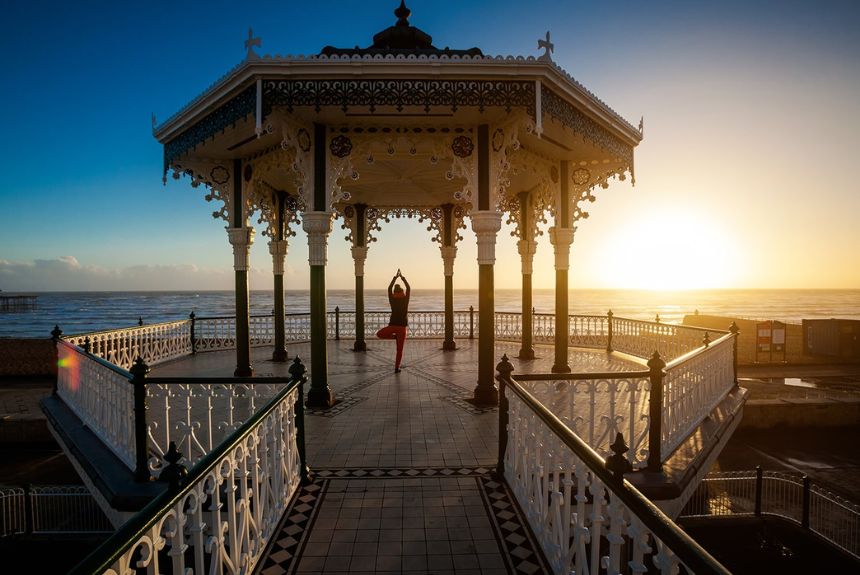
Over the course of three days, you’ll partake in transformative life coaching workshops led by industry-leading experts, sunrise meditation sessions, laughter yoga, breathwork, cookery classes, and workouts (some off-site, immersed in nature), as well as an ice bath on Brighton beach (an activity the facilitators emphasise will occur in all weather conditions!).
Adding to this mix are evenings out in Brighton; although somewhat unconventional for a mental health retreat, these group activities (such as bowling) help guests integrate their newfound awareness into real, everyday situations.
The retreat includes:
- 2 nights/3 days stay in a luxury Hotel & Spa on Brighton seafront
- Personalised fitness classes in the mountains
- Spa access
- Daily interactive life coaching designed for long-term transformation
- Meditation classes
- Beachfront Wim Hof breathwork and ice bath
- Expert nutrition workshop
- Cookery class
- Healthy cuisine crafted by expert chefs in Brighton
- Team events suitable for all abilities, e.g. beach volleyball
- Yoga/tai chi/qi gong on the beach – harness energy from the sea
- Optional add-on of reflexology/massage and acupuncture sessions
- Optional intravenous B12 vitamin booster
- Aftercare with a life coach
The Tree Relaxation Retreat
Vast expanses of open heather, unique dales, and a rich tapestry of biophilic colours characterise the Yorkshire Moors, which have been immortalised throughout history in both factual and fictional literature. Their untamed nature makes them an ideal setting for stories, but what about those seeking to begin a new chapter amidst the chaos of modern life?
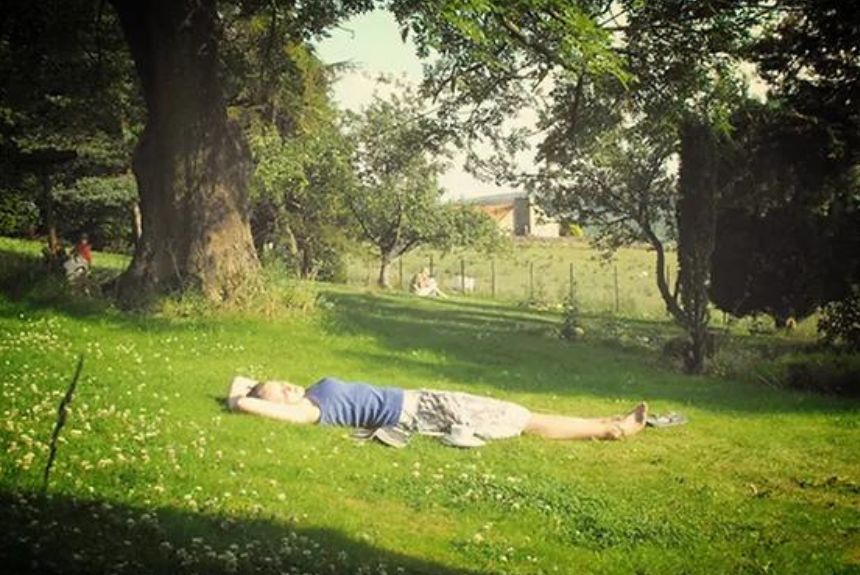
The Tree Relaxation Retreat is an award-winning, all-encompassing, holistic approach to relaxation, rejuvenation, and the reintegration of fragmented thoughts. Within this wild backdrop, guests can enjoy a soothing mix of yoga, meditation, scrumptious vegetarian meals, and holistic treatments as part of an intensive five-day silent retreat – designed for profound reflection – midweek retreats, or mindful weekends.
Sharpham House
Some seasoned wellness experts may advocate for a complete stripping back of life’s complexities in order to rejuvenate one’s mental health and well-being, but that doesn’t preclude the possibility of infusing a touch of luxury into the experience.
Nestled within an opulent 18th-century estate in rural Devon, Sharpham House is surrounded by meticulously landscaped gardens extending from the stately manor. Beyond the elaborate cornicing and imposing fireplaces, the house serves as a sanctuary for an array of mindfulness and wellness retreats, catering to both newcomers and those seeking to rekindle their practice by clearing away life’s mental clutter.
Throughout the year, Sharpham House offers five-night residential courses that encompass mindful movement, creative writing, meditation, and woodland walks, among other activities.
In addition to these immersive experiences, one-day mindfulness courses and workshops on foraging and wild medicine are also available, providing a diverse and engaging selection of offerings for those pursuing enhanced well-being.
Promis Hay Farm
Mental health retreats not only cater to those with a growing curiosity to examine their inner world or seek clarity after turbulent times but also offer a haven for individuals grappling with diagnosed mental health conditions, addiction, or PTSD.
These retreats provide professional support within an inviting and laid-back atmosphere. PROMIS Hay Farm embodies this ethos, working closely with each guest to devise a bespoke programme that may encompass diverse therapies, neurofeedback, and an extensive selection of holistic wellness treatments, such as mindfulness and equine therapy.
The opportunity to wander across the 12-acre, lush farmland provides an additional therapeutic dimension, instilling a sense of serenity in guests both within and beyond the structured therapeutic environments.
What to Expect at a Mental Health RetreatA typical depression retreat will offer a structured daily schedule that includes a mix of individual and group therapy sessions, relaxation techniques, physical activities, and opportunities for personal reflection.
Many retreats also offer additional services such as nutritional counselling, life coaching, and digital detox programs to support overall well-being. Guests can expect a nurturing, supportive environment where they can focus on their mental health and recovery.
How to Choose the Best Retreat for You

When selecting a depression retreat, consider the following factors:
- The range of therapies and treatments offered
- The qualifications and experience of the staff
- The location and facilities available
- The retreat’s approach to mental health and well-being
- Any specific needs or preferences you may have
Take the time to research and compare different retreats to find the best fit for your individual needs and goals.
Preparing for a Depression Retreat
Before attending a depression retreat, it’s essential to prepare mentally and physically for the experience. Speak with a mental health practitioner to discuss whether a retreat is suitable for your current situation.
Ensure you have a clear understanding of the retreat’s program and any necessary preparations, such as packing appropriate clothing, arranging travel, and completing any pre-retreat assessments or forms.
Conclusion
Depression retreats in the UK offer a valuable resource for individuals seeking support and healing from mental health challenges. By participating in a variety of therapies and treatments, guests can gain the tools and insights necessary to improve their mental well-being and work towards a brighter future. A depression retreat can be a life-changing experience.
FAQs
1. How long do depression retreats typically last?
Depression retreats can vary in length, with some lasting just a few days, while others may offer programs that span several weeks. The duration of the retreat will depend on the specific program and the individual’s needs.
2. Are depression retreats suitable for everyone?
While depression retreats can be beneficial for many individuals, they may not be suitable for everyone. It’s essential to consult with a mental health professional before attending a retreat to ensure it is the right fit for your specific needs and circumstances.
3. Can I attend a depression retreat if I am currently taking medication for my mental health?
Yes, many depression retreats can accommodate individuals who are taking medication for their mental health. However, it’s crucial to inform the retreat staff of any medications you are taking and consult with your healthcare provider before making any changes to your treatment plan.
4. Will my insurance cover the cost of a depression retreat?
Insurance coverage for depression retreats will vary depending on your provider and the specific policy you have. It’s essential to contact your insurance provider to discuss your coverage and any potential limitations before booking a retreat.
5. What should I do after attending a depression retreat to maintain my mental well-being?
After attending a depression retreat, it’s crucial to continue implementing the strategies and tools you’ve learned to maintain your mental well-being. This may involve attending follow-up therapy sessions, engaging in self-care practices, maintaining a support network, and seeking professional help as needed.
How to Get Help with Mental Health Issues?
You may feel like you want to talk to a spiritual counsellor, we have teamed up with Sophie Nevill, a BACP registered Transpersonal Psychotherapist. So if you need someone to talk to, please click here and Sophie will be in touch.
You must be logged in to post a comment.