

The retreat guide Reviewed October 2026
What is a retreat?
Time set apart, with a purpose.
Understand the main retreat types, compare group and individual stays, and find the questions that help you choose a suitable first experience.

About this guide: An editorial guide based on current provider information, rather than first-hand assessments. Review My Retreat offers paid marketing services to retreat providers. Check details and book your stay directly with the host.
A retreat is time set apart.
A retreat is a planned period away from your usual routine to focus on something important to you — such as prayer, meditation, reflection, yoga or creative work. It can last a few hours or much longer, and it does not have to involve travel, religion or complete silence.
The word describes a purpose more than a particular building. A monastery, a country house, a city centre or your own home can host a retreat, depending on the programme. The useful question is what the time will involve and how it differs from your ordinary day.
A holiday may centre on sightseeing or leisure. A retreat usually creates more deliberate space for a practice or theme, although the two can overlap. There is no single schedule, price range or level of comfort shared by all retreats.
Understand the options
Compare the format before the destination.
| Type | Main focus | What to ask |
|---|---|---|
| Yoga | Movement, meditation or yogic study | Which style, experience level and practices are included? |
| Mindfulness | Attention and awareness | Is it secular or Buddhist, guided or self-led, and how much silence is expected? |
| Christian | Prayer and reflection | Which tradition, worship and spiritual guidance shape the stay? |
| Buddhist | Meditation and Buddhist teachings | Which lineage, precepts and experience requirements apply? |
| Vipassana | Insight meditation | Which teaching method, course length and discipline does this programme use? |
| Sufi | Spiritual practice within a particular Sufi approach | Who guides the retreat and what practices, preparation and traditions are involved? |
| Creative or thematic | A specific activity or subject | How much teaching, independent work and free time does it include? |
What the labels mean
Five examples, in more detail.
These photographs show named communities and venues as examples. They do not imply that every retreat in the category works the same way.
Yoga retreats
Movement, breath, meditation or philosophyA yoga retreat sets aside time for yoga practice, but the balance can vary widely. Some focus on physical postures; others include meditation, breath practices, philosophy, chanting or service. An ashram stay can have a communal schedule, while a resort programme may have a different pace. The photograph shows Mandala Yoga Ashram, one example of an approach extending beyond exercise.
Keep in mind: Check the style, level, adaptations and expected attendance. A yoga retreat is not automatically secular, silent, vegetarian or a luxury holiday.

Mindfulness retreats
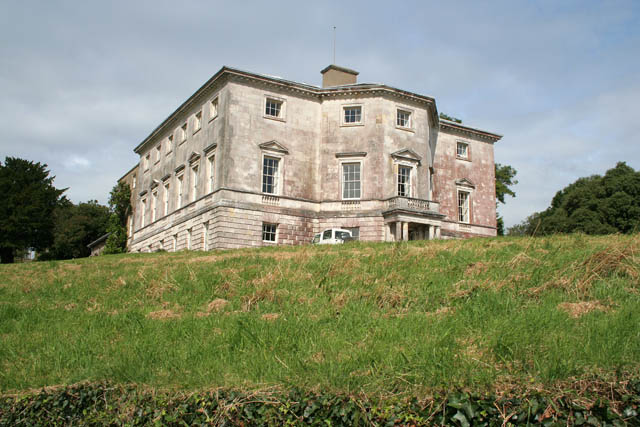
Attention and awareness in daily experienceA mindfulness retreat offers time to practise paying attention to present experience. It may use sitting, walking, everyday activities or time outdoors. Some programmes have a secular approach; others draw explicitly on Buddhist teaching. The level of silence and intensity depends on the retreat. The photograph shows a Sharpham programme, where several venues and formats offer different experiences.
Keep in mind: Look for an introductory programme if you are new. Do not assume an early start, complete silence or a particular health benefit from the label alone.
Christian retreats
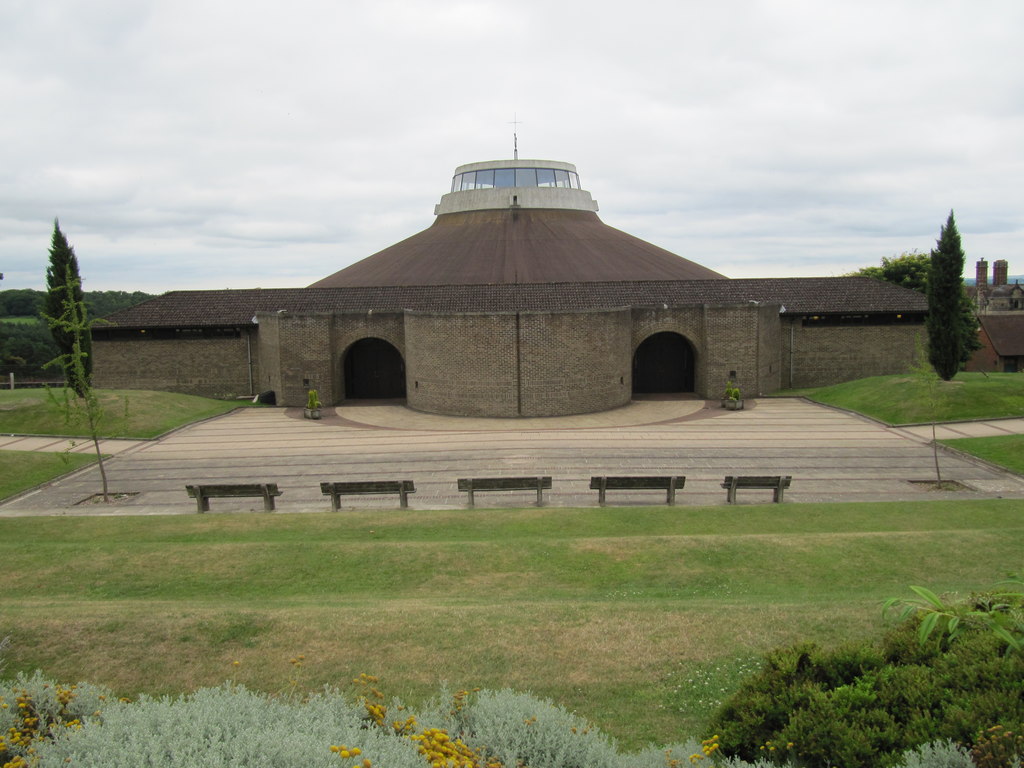
Prayer, reflection and a Christian settingA Christian retreat creates time for prayer and reflection, sometimes alongside a religious community. Options include quiet days, preached retreats, personally guided stays and monastery guest accommodation. The amount of silence, shared worship and teaching differs. Worth Abbey, pictured here, is a Benedictine Catholic example; Anglican and ecumenical houses have their own practices and guest arrangements.
Keep in mind: Ask about the timetable, worship expectations, guidance and receiving Communion. A general welcome does not make every tradition’s practices the same.
Buddhist retreats
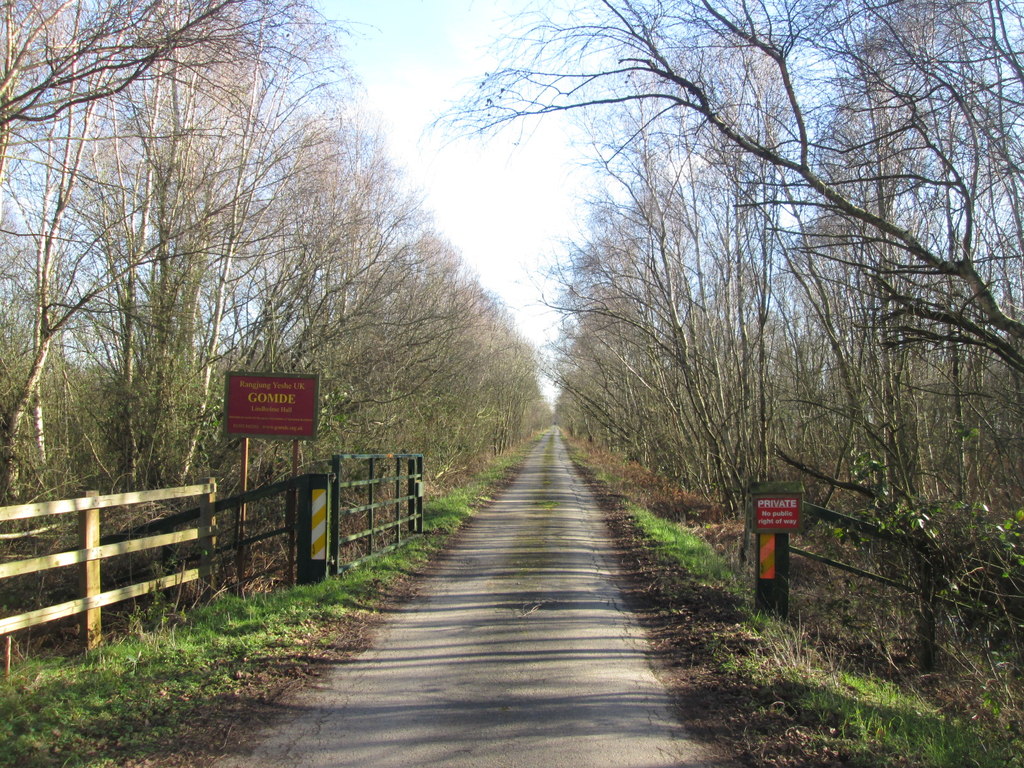
Practice within a named Buddhist traditionA Buddhist retreat can combine meditation with teaching, chanting, study, precepts and community work. Traditions and programmes differ, and a short local retreat is distinct from a longer monastery stay or specialist practice intensive. The image shows Gomde UK, a Tibetan Buddhist retreat centre. Read the actual event description to understand its lineage, requirements and daily life.
Keep in mind: Choose a beginner event where appropriate. Not every Buddhist retreat is silent, inexpensive or open without prior instruction.
Vipassana retreats
Insight practice, with different teaching methodsVipassana is commonly translated as insight, and the term is used in different Buddhist meditation settings. One well-known format is the ten-day residential course taught in the tradition of S. N. Goenka. It has a prescribed timetable and detailed discipline; it should not be treated as the definition of every insight retreat. Dhamma Dīpa, pictured, is a UK centre in that network.
Keep in mind: Read the full course conditions before applying. Noble Silence still permits necessary discussion with the teacher or management, and the course expects a full commitment.
Religious and spiritual can overlap.
A religious retreat is usually rooted in a recognisable tradition, with its own teachings, worship or practices. “Spiritual” is a broader label that hosts use in different ways. It can describe personal reflection within a religion, an interfaith approach or a programme without a formal religious affiliation.
These are not opposite categories, and neither tells you how sociable, quiet or comfortable a stay will be. You can ask about the host’s approach without needing to choose an identity in advance. What matters practically is that you understand the activities, beliefs and expectations before you book.
Group or individual?
| Question | Group programme | Individual stay |
|---|---|---|
| Guidance | Often has a shared programme or teacher; check the actual provision. | May be guided, privately directed or entirely self-led. |
| Company | Offers shared practice, but silence or group commitments can limit ordinary conversation. | Can provide more solitude, although worship, meals and work may still be communal. |
| Schedule | Usually follows the advertised timetable. | May offer flexibility within the house’s rules; not complete control by default. |
| Accommodation | Could be a single room, shared room, dormitory or separate lodging. | An individual booking does not automatically mean a private bathroom or exclusive space. |
| First visit | An introductory group event can explain the practice and provide structure. | Ask what support is available before choosing a largely solitary stay. |
Neither format is inherently better. Think about the amount of structure, guidance and contact you would find useful. A long solitary retreat is different from booking a quiet room for a weekend.
What about a Sufi retreat?
Sufi retreat practices belong to particular lineages and communities. They can include guided meditation, remembrance, prayer, sound or contemplative practice, with arrangements set by the guide and organiser. It is misleading to assume all use the same forty-day duration, food rules or gender arrangements.
Inayatiyya UK, formerly Sufi Order UK, publishes classes, events and retreat information. That is one approach, rather than a description of every Sufi tradition. Enquire about preparation, participation and the particular guide.
Before you book your first retreat.
- Choose a realistic purpose. You might want to learn a practice, make time for prayer, explore a subject or simply step out of a busy routine. You do not need a promise of transformation.
- Read a sample day. Ask about start times, required sessions, silence, movement, rest and any practical work. A retreat with a full timetable is different from a flexible stay.
- Check experience and support. Choose a programme that welcomes your level and explains how questions or concerns are handled. A teacher’s presence does not automatically mean individual guidance.
- Confirm the room and food. Check sharing, bathrooms, access, dietary needs, bedding and what you should bring. Different houses have different arrangements.
- Compare the whole price. Include tuition, accommodation, meals, treatments, transfers and cancellation terms. “Retreat” does not imply inexpensive or all-inclusive.
- Plan essential contact. Understand device rules and how family can reach you, especially on a silent or remote programme.
If you have a health concern or are considering an intensive practice, discuss suitability with the organiser and an appropriately qualified health professional. General wellbeing and spiritual programmes are not automatically clinical treatments.
The NHS mindfulness guidance explains a practical approach to present-moment awareness. It does not establish that every retreat will have the same effect, and no particular personal outcome is guaranteed.
Questions people ask.
How long does a retreat last?
Anything from a short quiet session to a day, weekend or longer programme. Check the actual duration and any minimum stay, rather than assuming you can book one night or leave a course early.
Do I have to stay overnight?
No. Day retreats, local groups, online programmes and retreats in daily life are options. They can be a practical way to explore a format before travelling for a residential stay.
Do I need experience?
Some programmes welcome newcomers, while others expect established practice, previous retreats or specialist instruction. Read the specific event’s requirements.
Will I have to be silent?
Only if that is part of the programme. Silence can apply to meals, mornings, particular days or most of the stay. Ask how essential communication and teacher meetings work.
Can a retreat improve my mental health?
Some people find time away or mindfulness practice helpful, but experiences differ. A general retreat is not automatically a treatment for a mental-health condition. Choose suitable support and avoid guarantees of healing.
Where should I start?
Choose the practice and length first, then look for a clear introductory programme. A local class or quiet day can help you decide what you would want from a longer stay.
Sources and review notes.
Substantively reviewed on 24 October 2026. Provider pages linked with the pictured examples demonstrate particular formats, not universal rules. Photographs identify their actual venues or communities.
For a correction, use our contact form. Programmes, prices, eligibility and accommodation can change; a listing does not confirm availability.
Choose your next step
Begin with the purpose.
Choose the format that fits.
A short, clearly explained introductory experience can tell you more than a long list of promises. Start with the practice and practical arrangements you want.
Compare retreat typesKeep exploring
About Rob Horsfall
Rob has been interested in spirituality since visiting India in 2002. After completing his philosophy studies at university, he continued studying the Buddha's teachings in Sri Lanka. He returned in 2011 and now spends his time developing Review My Retreat, studying acupuncture and integrating insights from different spiritual traditions into everyday life.
I have been surfing online more than 4 hours today, yet I never
found any interesting article like yours. It is pretty
worth enough for me. In my view, if all site owners and bloggers made
good content as you did, the internet will be much more useful than ever
before.
This is my first time pay a quick visit at here and i am actually impressed to read all at one place.