

In this guide — choose a section
Women’s Christian Retreats UK
Twenty places to pause and pray, with the details that make a retreat feel right for you.
On the Devon coast, a retreat can unfold around shared worship, conversation and walks outside. In North Wales, it might mean learning to sit with silence and meeting a spiritual director once a day. A country-house quiet day offers another possibility: a few unhurried hours when work, care and ordinary decisions can wait.
The centres below welcome women, but the experience is shaped by the particular stay you book. A personal retreat, a led programme and a private women’s group weekend have different rhythms. Use the photographs to get a feel for the place, then compare the practical notes on bedrooms, meals, guidance and access.

Choose the experience first
For conversation and shared teaching, look at dedicated women’s weekends. For quiet prayer with support, consider an individually directed stay. For your own church group, compare the rooms and meeting spaces, then confirm who provides the spiritual programme. Christian tradition is shown with each profile, but the individual event’s leader and timetable still matter.
Twenty Christian retreat centres to explore
Crowhurst Christian Healing Centre
East Sussex

An autumn garden, a quiet lounge and an art room give Crowhurst several ways to settle into prayer. You can join the chaplains for worship, take a sketchbook into the creative space, or spend part of the day along the prayer walk. The Old Rectory has the scale of a lived-in house rather than a conference campus, with a second lounge for guests who want less conversation.
Crowhurst’s non-denominational Christian identity places particular emphasis on worship, the Holy Spirit and prayer ministry. Its Healing Space stays provide personal retreat time; other events offer more input or chaplain accompaniment. For a woman travelling alone, the combination of private space and an established rhythm of prayer can be a useful middle ground between a busy conference and complete solitude.
- Rooms
- 19 bedrooms, including six twin rooms; en-suite and non-en-suite options.
- Meals
- Full-board or bed-and-breakfast accommodation; dietary needs requested at booking.
- Access
- Two adapted ground-floor en-suite bedrooms; ground-floor lounges, dining room and chapels accessible.
- Prayer
- Chaplain-led worship at 10am; two chapels and an equipped art room.
Practical information sources
Scargill House
North Yorkshire

Scargill’s sharply pitched chapel roof is one of the memorable sights of the Yorkshire Dales. Inside and around the house, the experience is shaped by a resident Christian community: prayer, shared meals and hospitality give each day a framework. Between sessions, the walled garden and the surrounding Kettlewell countryside offer space for a walk or an unhurried conversation.
This is a good place to investigate if you want company without having to organise a group yourself. Personal retreats and programmed stays sit alongside group bookings, so the social atmosphere will depend on the dates you choose. Bedrooms are deliberately straightforward, with a considerable difference between standard rooms with shared bathrooms and the limited en-suite options. An early room request matters more here than a glossy accommodation category.
- Capacity
- 70 guest beds across 43 rooms.
- Bathrooms
- Standard rooms have washbasins and shared bathrooms; en-suite rooms are limited.
- Access
- Two step-free twin en-suite rooms are available for mobility needs.
- Format
- Personal retreats, programmed stays and group bookings have separate booking guidance.
Practical information sources
Drumalis
County Antrim

Drumalis combines the character of an old house with bright communal spaces and grounds looking towards Larne Lough. The conservatory, with its plants and garden light, suggests a retreat that can include conversation as well as quiet. Women can join a residential programme or come with a group, using the house’s accommodation and gathering spaces as part of a shared stay.
The centre’s roots lie with the Sisters of the Cross and Passion, while its present welcome is ecumenical. Christian spirituality is connected with reconciliation, peace-building and care for creation, giving the programme a distinctive outward-looking character. This is especially worth exploring if you want your time away to include questions about community and the wider world. Accommodation is arranged through the office in connection with a retreat or event, rather than as an ordinary hotel reservation.
- Rooms
- Single, twin and group bedrooms; most rooms are en-suite, with linen and towels provided.
- Access
- Four fully accessible bedrooms; two lifts reach the accommodation floors.
- Booking
- Rooms are allocated through the office as part of a retreat, programme or group booking.
- Connectivity
- High-speed Wi-Fi is available in guest areas.
Practical information sources
St Beuno’s
North Wales

At St Beuno’s, the view across the Vale of Clwyd is part of the invitation to slow down. The Victorian house and hillside grounds provide a setting for a particularly attentive form of retreat: Ignatian prayer, silence and a daily conversation with a spiritual director. Outside that meeting and the meal times, an individually guided retreat leaves much of the day open for your own prayer.
This can appeal to women who want help discerning a decision or noticing the patterns of daily life, without joining a succession of group workshops. There are also themed retreats and introductory options. Accommodation is single occupancy, but room comfort varies: en-suite, standard and smaller simple rooms have different bathroom arrangements and access. The hillside cottages add seclusion, with uneven ground and walks of several minutes to the main house.
- Rooms
- Single occupancy; en-suite, standard and smaller simple rooms. Standard/simple rooms use shared bathrooms.
- Meals
- Breakfast, lunch and an evening meal are provided daily. Declare special diets before arrival.
- Guidance
- Individually guided retreats include a daily one-to-one meeting with a spiritual director.
- Access
- Main-house lift access has limitations; cottages involve a 2–10-minute walk and uneven or sloping ground.
Practical information sources
Ffald y Brenin
Pembrokeshire


Ffald y Brenin is a house of prayer in the Preseli hills, above the Gwaun Valley near Fishguard. A chapel, prayer room, gardens and hill paths allow a stay to unfold through walking, reading and joining the daily rhythm of prayer. The High Cross and the surrounding landscape give outdoor prayer a central place in the experience.
The essential choice is whether you want this degree of independence. There are currently no led retreats or catering: bring your own food and drinks and use the available kitchens. Women can come alone or with others, choosing from rooms and more self-contained accommodation. The fixed arrival days make planning straightforward once understood, but this is a rural destination. Follow the centre’s directions carefully; a village with the same name in Carmarthenshire is a different place.
- Meals
- Self-catering; bring food, drinks and a towel. Bedding is provided.
- Arrival days
- Monday, Wednesday or Friday: two/four-night midweek stays and three-night weekends.
- Programme
- No led retreats at present; guests can join daily prayer.
- Rail connection
- Fishguard & Goodwick station is about 30 minutes away by taxi.
- Architecture
- Christopher Day’s conversion retained a natural rock outcrop as the chapel altar.
Practical information sources
Stanton House
Oxfordshire

Stanton House brings Christian retreat hospitality down to a domestic scale. Its red-brick house has two lounges, a wood burner and a dining rhythm that includes a substantial lunch and afternoon tea. A desk and comfortable chair in each bedroom make room for journalling or reading without always using communal space.
The programme ranges from quiet days and short guided weekends to longer periods of Silent Space. Women can book individually or gather a small group, with room for up to fifteen guests when bedrooms are shared. Meal seating can be arranged separately for someone keeping silence, while a visiting group can sit together. An especially useful detail is the bathroom arrangement: several bedrooms have a dedicated bathroom across the landing rather than an en-suite. That gives more privacy than a general shared bathroom, but involves leaving your room.
- Capacity
- Nine bedrooms; up to 15 guests for groups sharing twin or double rooms.
- Bathrooms
- Three en-suite rooms; remaining bedrooms have a dedicated bathroom across the landing.
- Access
- One single bedroom is on the ground floor for guests who struggle with mobility.
- Dining
- Main meal at lunch; continental breakfast in floor kitchenettes, with separate meal seating possible for silence.
Practical information sources
Sheldon Retreat
Devon

Sheldon’s converted medieval buildings sit within gardens, fields and woodland near Exeter. Its private retreats are deliberately solitary: you have your own space, a small kitchen and access to chapels, a labyrinth, the library and the Art Shed. The resident Christian community holds a daily prayer rhythm which guests may join, without filling the rest of the day with activities.
The distinction between accommodation types matters. Some lodges are reserved for people in ministry, while the Pig Pens and Hen Runs provide private retreats open more widely. These stays are not designed for socialising with fellow guests; someone seeking company may prefer one of the centre’s programmed weeks. For a woman who wants to put down a demanding caring or ministry role, the practical independence can be appealing. Choose self-catering or a stocked-larder arrangement and plan for at least three nights.
- Private stays
- Self-contained Pig Pen and Hen Run accommodation has its own small kitchen.
- Minimum stay
- Three nights for private retreats open to everyone.
- Arrival
- Normally 3–6pm; departure by 10am.
- Meals
- Bring your own food or choose a stocked-larder arrangement; private retreats are solitary rather than social stays.
Practical information sources
Harnhill Centre
Gloucestershire

Harnhill offers different levels of structure within one Christian retreat setting near Cirencester. A personal retreat leaves much of the day to you, while themed and led stays add teaching, worship or creative work. Its Anglican foundation and ecumenical prayer ministry give the programme a clear spiritual focus.
The most useful planning detail concerns accompaniment. A personal retreat can include one requested prayer-ministry or spiritual-accompaniment appointment, but the published programme limits those appointments to Wednesdays and Thursdays. A midweek booking therefore offers a different experience from an independent weekend. Women looking for a quieter stay can use the personal-retreat format rather than assuming every visit follows an intensive programme. Read the description of the particular stay carefully: the centre’s language of Christian healing concerns prayer and spiritual ministry, and the arrangements vary between retreat types.
- Length
- Two–five nights when available, Tuesday–Sunday; minimum two nights.
- Accompaniment
- One requested prayer or spiritual-accompaniment appointment; Wednesdays or Thursdays only.
- Arrival
- Arrival after 4pm; departure 2pm.
- Published rate
- 2026 personal retreats: £120 per night. Check current dates and rates.
Practical information sources
Penhurst Retreat Centre
East Sussex

Penhurst’s small scale is part of its appeal: a country house, an open fire in colder months, and three acres of gardens and orchard. The grounds contain a labyrinth, a pond and small prayer pods where one or two people can read or pray away from the house. The art room faces the orchard, offering a creative alternative to a day spent entirely in words.
For a women’s Bible-study group, a whole-house booking can bring meals, worship and conversation into one intimate setting. Individuals can also book personal time or join a led retreat. Penhurst is explicitly evangelical, with a statement of faith adapted from the Evangelical Alliance. Its accessible ground-floor chapel is available around the clock, while the lower-ground-floor library and snug offer quieter corners with a different access route. The room layout is worth matching to your group before reserving.
- Group size
- Nine bedrooms accommodate up to 16; whole-house bookings start at eight people.
- Prayer spaces
- Ground-floor chapel available 24 hours; orchard labyrinth and three small prayer pods.
- Grounds
- Three acres of gardens and grounds, with an orchard, wildlife pond and nearby countryside walks.
- Group equipment
- Chapel can be set up with projection equipment, flipchart or a boardroom layout.
Practical information sources
Lee Abbey Devon
North Devon
At Lee Abbey, a teaching session can be followed by time on the estate above Lee Bay, with Exmoor’s coast and landscape close at hand. The Christian community gives the house a sociable rhythm of worship, meals and shared hospitality. A creative break, a teaching week and a quieter programme will each make different use of that setting.
The community is acknowledged within the Church of England, with guests and programmes drawing on a wider range of Christian traditions. Women travelling independently can join an existing event; a church group should establish how its own programme fits alongside other guests. Room choice makes a practical difference. Some bedrooms have views of the bay or estate, and en-suite rooms carry a supplement. The Victorian house has adapted rooms, but the accessibility information deserves careful reading because its layout is more complex than a modern hotel.
- Rooms
- Single, twin, double and triple rooms; bedding and towels are supplied.
- Bathrooms
- Every room has a washbasin; many have en-suite facilities for an additional charge.
- Access
- Three first-floor en-suite rooms are adapted for physical disabilities; discuss the Victorian house’s routes before booking.
- Choice of stay
- Scheduled Christian programmes and separate self-catering units have different booking arrangements.
Practical information sources
Dromantine
County Down

Dromantine has the space for a substantial gathering without losing the attraction of its lake and grounds. Blossom-lined paths, mature trees and a residents’ lounge overlooking the water provide places for a pause between sessions. A larger women’s church group can bring its own programme, while the centre’s own retreats and workshops offer opportunities for individual participation.
The Catholic missionary connection comes through the Society of African Missions, which owns and operates the centre. Its accommodation and meeting facilities are also used for professional and community events, so the actual booking determines the spiritual content of the visit. The practical strengths are clear: all seventy-two bedrooms are en-suite, accessible rooms and lift access are available, and there are eight meeting rooms. That combination makes it easier to plan separate discussions, worship and informal time within one venue.
- Capacity
- 72 en-suite bedrooms: 42 single and 30 double rooms.
- Access
- Four adapted bedrooms and lift access.
- Gathering spaces
- Eight meeting rooms support groups of different sizes.
- Between sessions
- Residents’ lounge overlooks the lake; gardens and grounds offer walking space.
Practical information sources
Wydale Hall
North Yorkshire

Wydale Hall combines an Anglican retreat identity with the flexibility of several accommodation settings. The main house, set among gardens between Pickering and Scarborough, offers en-suite rooms and communal space for a catered church retreat. The separate Emmaus Centre and personal-retreat spaces provide a more independent option.
For women planning their own group weekend, that choice affects the whole experience: whether meals arrive ready to eat, whether you share a kitchen, and how the programme sits around everyday tasks. An individual can also book personal time away rather than attend a large event. Wydale belongs to the Diocese of York and welcomes guests across denominations. Its accessibility information is unusually specific, identifying the ground-floor wet-room bedroom, rooms reached by stair lift, and separate accessible rooms in Emmaus. Use those details to choose the right building, rather than relying on a general accessibility label.
- Main house
- 29 single, twin or double rooms across three floors, all en-suite.
- Self-catering
- Emmaus Centre sleeps up to 50; Hideaway and Hope Wing provide personal-retreat spaces.
- Access
- One fully accessible ground-floor room with wet room in the main house; two accessible wet-room rooms in Emmaus.
- Other access
- A stair lift reaches four first-floor bedrooms without further stairs.
Practical information sources
Worth Abbey
West Sussex
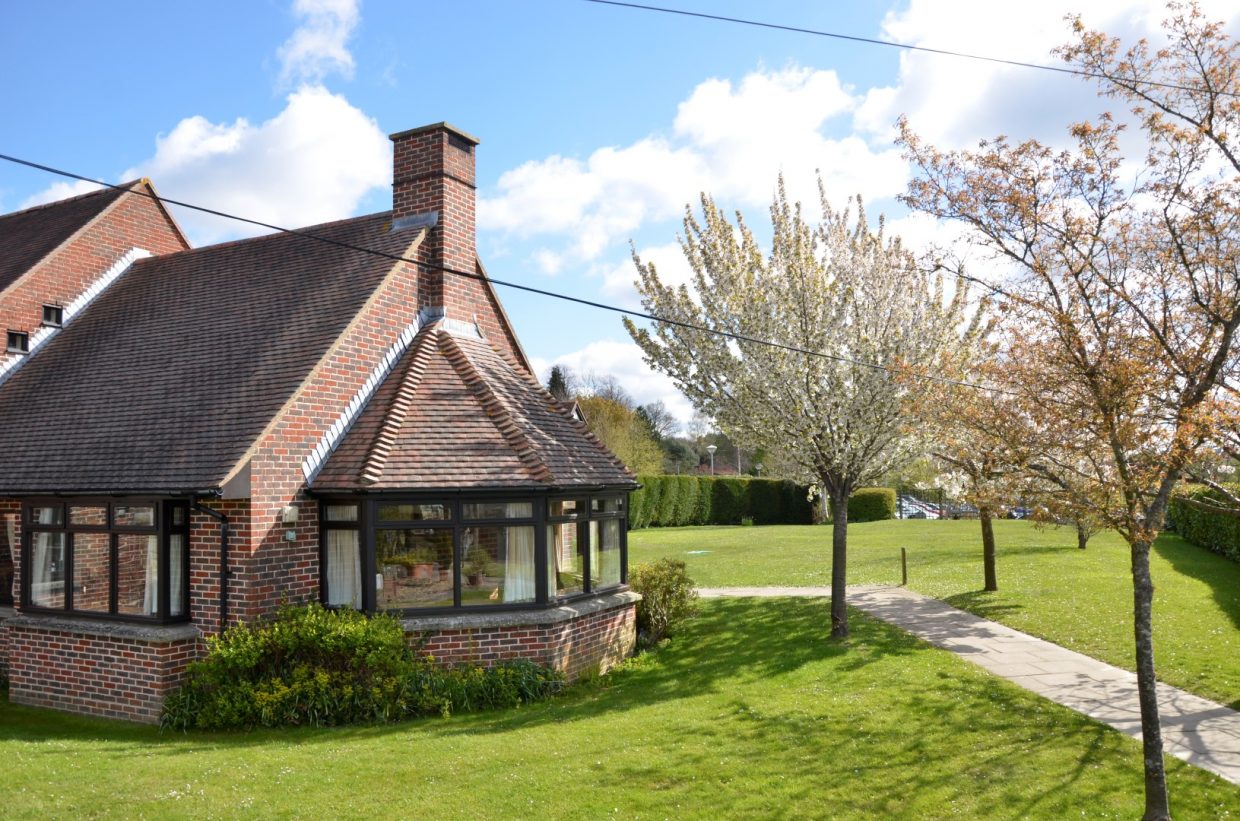
Worth’s retreat experience is shaped by Benedictine life: the recurring prayer of the monks gives a quiet structure to the day. A woman can join a guided or themed retreat, choose a creative programme, or book self-led time in the Sussex countryside. Walks, the Quiet Garden and the Abbey’s liturgy allow time away from a classroom-style timetable.
Individually guided retreats normally last two to six nights and include a daily meeting with a spiritual director. Much of the stay, including most meals, is silent; a themed retreat has more shared input and conversation. There is an important accommodation distinction: women should book through the retreat operation. Accommodation within the monastery itself is reserved for men and uses a separate booking route. Retreat guests are provided with meals, linen and towels, making the stay comparatively simple to pack for.
- Guided retreats
- Individually guided stays typically last two to six nights and include daily spiritual direction.
- Included
- Bed linen, towels, breakfast, lunch and dinner are provided.
- Silence
- Most meals on individually guided retreats are silent; themed retreats have more communal input.
- Booking route
- Women book the retreat operation; accommodation inside the monastery itself is men-only.
Practical information sources
Hilfield Friary
Dorset
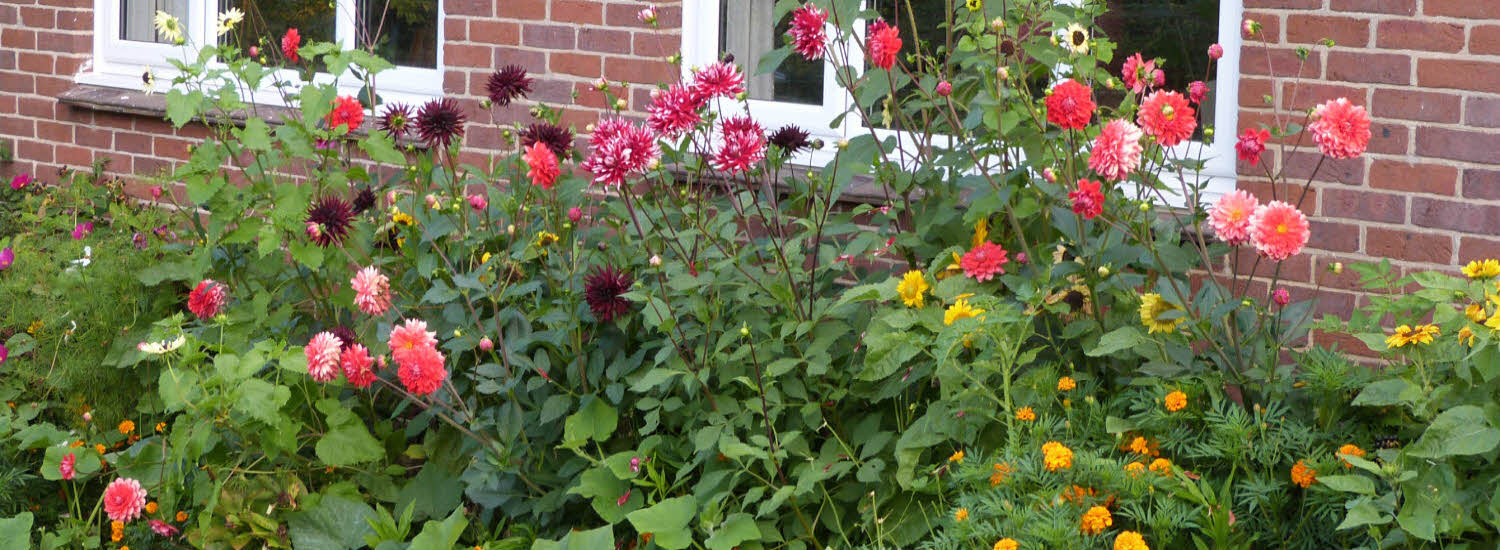
At Hilfield, Franciscan prayer is closely connected with simple living and care for creation. The community includes brothers and lay women and men, with guests joining a shared rhythm of hospitality. Roses around the buildings, gardens and the surrounding Dorset countryside give outdoor space a natural place in the day.
The range of accommodation makes it possible to choose quite different levels of solitude. Guest houses sit alongside a shepherd’s hut and a pustinia, a small space intended for quiet retreat. The pustinia has no electricity; the shepherd’s hut uses a nearby composting toilet and a shower in the main buildings. These are meaningful practical choices, rather than interchangeable room upgrades. Women can visit independently or with a group, on a catered or self-catered basis, within the friary’s Tuesday-to-Sunday guest pattern.
- Guest days
- Tuesday morning to Sunday afternoon; closed to guests Sunday afternoon–Tuesday morning.
- Meals
- Catered and self-catered stays are available.
- Simple stays
- Shepherd’s hut: nearby composting toilet and showers in main buildings. Pustinia: no electricity.
- Access and travel
- Adapted en-suite room and ramps; Yetminster/Sherborne station collection by arrangement.
Practical information sources
Whitchester Christian Centre
Scottish Borders

Whitchester feels more like a country guest house than a large conference centre. Its grounds, prayer garden, library and art room allow a stay to move between creativity, reading, walking and conversation. The house lies in Upper Teviotdale, near Hawick, with garden and hill views from several bedrooms.
Women can arrange a personal retreat or join a themed stay; a church group can enquire about a shared programme. All bedrooms have en-suite bathrooms, but their character and location differ considerably. Some are small singles, others can be configured for one or two guests, and the front suites offer more living space. The two ground-floor Annexe rooms are wheelchair accessible and have walk-in showers and adjustable beds. For a group, those room-level details are more useful than assuming everyone will have the same accommodation.
- Bathrooms
- All bedrooms have en-suite bathrooms; accommodation is spread over three floors.
- Access
- Two ground-floor Annexe twin rooms have wheelchair access, walk-in showers and adjustable beds.
- Arrival
- Check-in 4pm; check-out 11am.
- Room choice
- Single rooms, flexible twin/double rooms and larger suites; some include kitchen facilities.
Practical information sources
St Mary’s Monastery, Kinnoull
Kinnoull, Perth

St Mary’s Monastery on Kinnoull Hill offers a retreat in which the practical daily rhythm is easy to picture: breakfast in the refectory, time in the grounds or prayer spaces, midday Mass and an evening meal. The Redemptorist community welcomes private guests across denominations, including women seeking personal reflection rather than a women-only event.
A two-night minimum makes a short residential stay possible. Rooms are en-suite, with two double rooms specifically described as having accessible bathrooms. The Oratory, Tribune and church offer different spaces for prayer, while gardens and woodland leave room for time outdoors. Guests are welcome to join communal worship, with the centre asking visitors to check current service times. Food is prepared onsite and served in the ground-floor refectory. Bring your own toiletries: the monastery has withdrawn single-use complimentary products for environmental reasons.
- Rooms
- 26 single en-suite rooms and two double rooms with accessible bathrooms.
- Length
- Private stays have a two-night minimum.
- Meals
- Onsite chefs; breakfast, lunch and supper are served in the ground-floor refectory.
- Packing
- Tea and coffee facilities in rooms; bring toiletries because single-use complimentary products have been phased out.
Practical information sources
Pleshey Retreat House
Essex

Pleshey’s appeal lies in the small details of an English retreat house: a white-walled chapel looking onto the garden, a library for study, an orangery with tea and coffee, and little outdoor places to sit. Local walking maps encourage time beyond the house in the countryside around the moated village.
As the Chelmsford Diocesan House of Retreat, it keeps an Anglican identity while offering organised, individual and group stays. A woman coming alone can join worship or keep a quieter, self-directed pattern; weekday chaplains can offer pastoral conversation or spiritual direction. Small groups may find the Gatehouse or cottage more suitable than rooms scattered through the main house. There is also a substantial meeting room for a larger gathering. A quiet day with lunch is a manageable way to try the setting before choosing a residential retreat.
- Rooms
- 18 main-house bedrooms, with further Gatehouse and cottage options; bathroom arrangements vary.
- Access
- Ground-floor adapted room with wet room; normally single but can be configured as a twin.
- Group spaces
- Underhill Room seats 30, Orangery 14, and lounge 10.
- Quiet-day option
- Published quiet days start at £32 including lunch; confirm dates and current price.
Practical information sources
Holland House
Worcestershire

Holland House stands beside the River Avon, with a timbered house, a bespoke chapel and three acres of gardens. Its programme connects Christian contemplation with creativity, ecology and conversation, while welcoming visitors from other faiths and none. The independent trust has close links with the Diocese of Worcester and an explicitly ecumenical approach.
Women can join a led event, arrange their own group stay or book a quiet day. The gardens are managed with attention to wildlife, making an afternoon outdoors part of the house’s character rather than an optional extra. For a smaller party wanting more independence, The Den is a separate self-catering choice with bedrooms and living space. Compare that arrangement with a catered retreat in the main house: the room, meals and programme need to be understood together when deciding which stay suits your needs.
- Main house
- 27 bedrooms, chapel, meeting rooms and three acres of riverside gardens.
- Self-catering
- The Den has double and single bedrooms plus a sofa-bed option; two-night minimum.
- Arrival at The Den
- From 4pm; departure before 10am.
- Format
- Individual visits, quiet days, programmed events and group bookings are offered.
Practical information sources
St Katharine’s Parmoor
Buckinghamshire

St Katharine’s Parmoor provides Christian retreat hospitality within reach of London, with gardens, communal rooms and an Anglican chapel at the centre of the house. The welcome is ecumenical, and guests can spend part of their stay in silence even when others are using the building.
For a women’s group, the possibility of exclusive use is worth exploring: it can make shared worship and conversation easier to shape around your own timetable. Individual guests and smaller parties also visit. The bedrooms vary in a particularly useful way to understand before booking. Most double and twin rooms have a full en-suite bathroom, while two single rooms have only an en-suite toilet and basin and use the house bathrooms for bathing. Tea and coffee facilities, towels and hand soap are provided. This is comfortable retreat-house hospitality with individual room characteristics, rather than a uniform hotel layout.
- Bedrooms
- 13 in the main house: three doubles, eight twins and two singles.
- Bathrooms
- Doubles and twins have full en-suites; two singles have an en-suite toilet/basin and use shared bathrooms for bathing.
- In-room basics
- Towels, hand soap and tea/coffee facilities are provided.
- Group use
- Larger groups can enquire about exclusive use; smaller parties share some facilities.
Practical information sources
Foxhill House and Woodlands
Cheshire
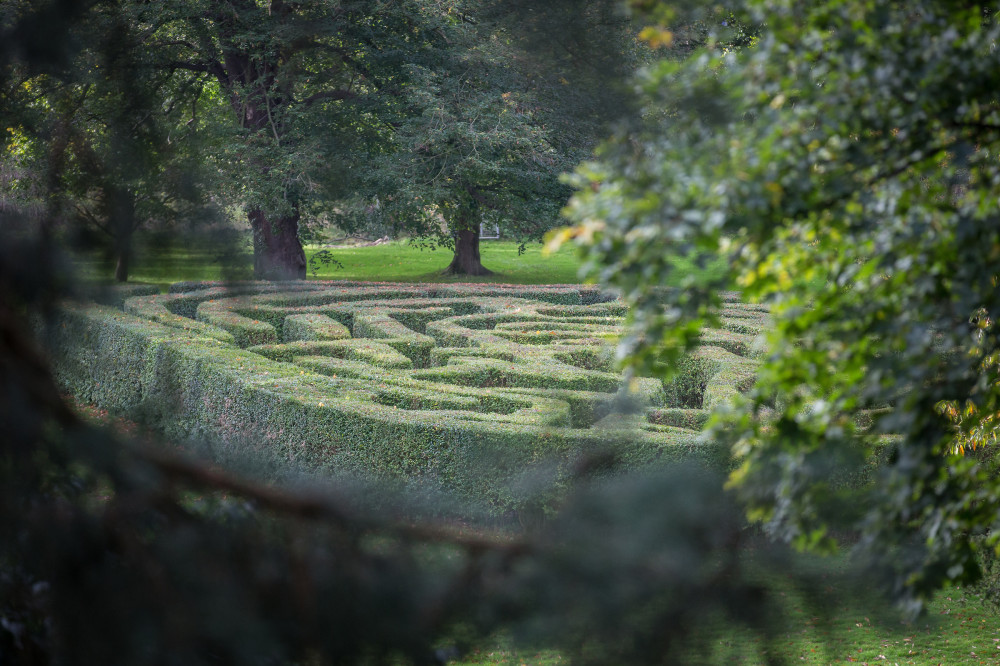
Foxhill’s house and woodlands provide several ways to approach a Christian break: a led residential retreat, a quiet day, or a programme organised by your own group. A garden maze is a distinctive feature, while the surrounding trees give the grounds a sheltered feel.
The centre is a resource of the Diocese of Chester, with prayer and discipleship at the heart of its work. Guest leaders bring different themes to the residential calendar, so a creative retreat and an individually guided silent stay will have different rhythms. The house can accommodate a modest residential group and a larger day gathering. Published residential programmes include meals, refreshments and en-suite accommodation, helping make the total package clear. A bursary fund can reduce the cost of retreats and Encounter days; enquire before ruling a stay out on price alone.
- Capacity
- 21 bedrooms accommodate up to 26 overnight guests.
- Day groups
- Meeting rooms can host up to 80 guests.
- Residential programmes
- Published retreats include en-suite accommodation, meals and refreshments.
- Financial help
- A bursary fund can reduce rates for retreats and Encounter days.
Practical information sources
Plan the practical side of your retreat
Full board, B&B or self-catering?
These arrangements create different stays. Ask which meals are included and whether drinks, towels or bedding need to be brought. Ffald y Brenin currently asks overnight guests to self-cater, while other centres offer catered programmes. Check the first and final meals against your travel plans rather than assuming every overnight package covers the same period.
Understand what “guided” means
An individually guided retreat normally includes personal accompaniment; a preached or themed retreat may offer talks to a group. A private stay leaves more responsibility for structuring the day with you. Ask about silence at meals, opportunities to join worship, and whether spiritual direction needs a separate appointment.
Book the right accommodation
At a monastery, the retreat centre and the monastery guest accommodation can have different admission rules. Worth Abbey is a useful example: women can join the retreat operation, while the monks’ own guest accommodation is for men. Elsewhere, “single room” may describe occupancy rather than an en-suite bathroom. Choose the actual building and room type, then discuss access needs with the team.
Leave room for the journey
For rural centres, check station transfers, Sunday services and the arrival window before paying for transport. Ask about dietary requirements, deposits and cancellations. If your group wants an exclusively female environment, confirm the event’s audience and which spaces will be shared with other guests.
Optional reading and a retreat journal
For personal reading and prayer notes, these two items may be useful. Follow any reading guidance from your retreat leader and bring books or a notebook you already own where they suit your stay.
Advertisement / affiliate disclosure: Shopping links and linked product images are marked (Ad). As an Amazon Associate, Review My Retreat earns from qualifying purchases.

Book cover: IVP / Review My Retreat archive.
Invitation to Retreat
Ruth Haley Barton
A Christian guide to making space for prayer, silence and rest, with practical help for planning personal time away. An optional read before a self-directed retreat.
Check price on Amazon (Ad)
Product photograph: Moleskine via Amazon.co.uk / Review My Retreat archive.
Moleskine Classic Large notebook
Black hard cover · ruled pages
A ruled notebook with an elastic closure and ribbon bookmark for prayer notes, questions for your guide or reflections afterwards. A journal you already use is equally suitable.
Check price on Amazon (Ad)Current prices, editions and availability are shown by the retailer. These are optional resources, not requirements for attending a retreat.
Finding a gentle beginning
A quiet day can fit around work or caring responsibilities, while a short residential programme can provide company and structure if you are travelling alone. You can usually ask about the centre’s Christian tradition and worship before booking. Choose the pace and form of hospitality that give you room to pray, rather than simply the longest stay you can arrange.
You must be logged in to post a comment.