

Search for Ayurveda resorts in Sri Lanka and you will find everything from luxury hotels with a treatment menu to highly structured residential programmes. They may use similar language, but the experience can be completely different.
For some travellers, a few relaxing treatments beside the beach are exactly right. Others want a doctor-guided programme, daily therapies and food planned around their constitution. Neither choice is automatically better; the important thing is knowing what you are booking.
These nine questions will help you look beyond beautiful photographs and find an Ayurveda retreat that matches your needs.
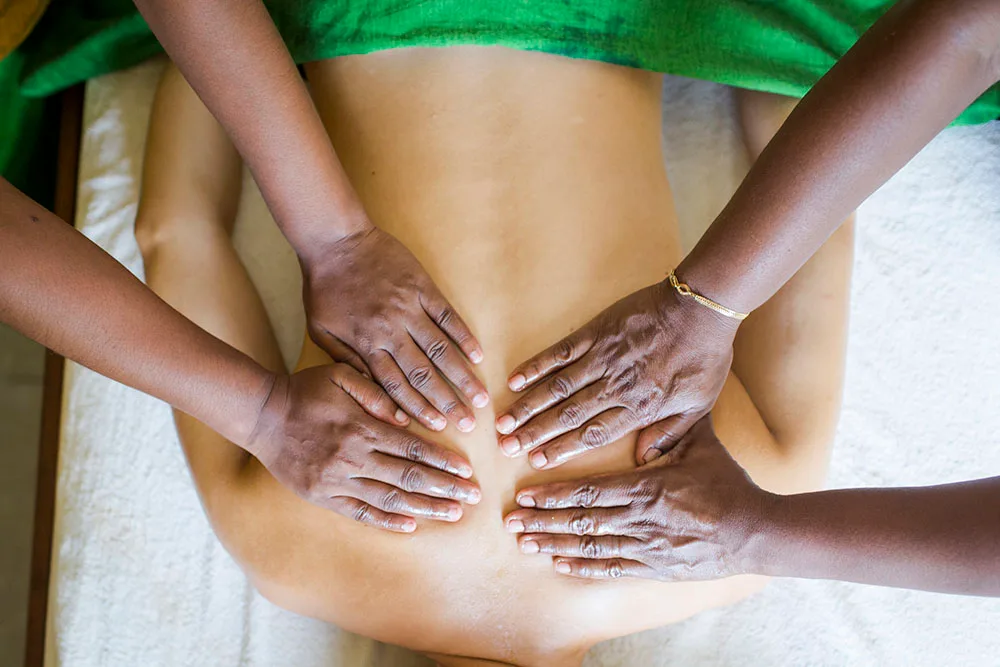
1. Does Every Stay Begin With an Ayurvedic Consultation?
Personalisation is central to Ayurveda. A practitioner considers your constitution, often discussed through the doshas Vata, Pitta and Kapha, as well as your current routines, energy, digestion, sleep and goals.
If every guest receives the same massages in the same order, the programme is closer to an Ayurveda-inspired spa package than an individual retreat. Ask how long the initial consultation lasts, who conducts it and how it influences treatments, meals or herbal support.
2. Who Oversees the Programme?
Find out whether the resort has a qualified Ayurvedic doctor and how available that person is during your stay. At a serious retreat, medical oversight should not end after the welcome consultation. Longer programmes benefit from regular reviews so therapies can be adapted in response to the guest’s experience.
This is especially important if you are considering Panchakarma or another intensive programme. Ask what the treatment involves, how long the resort recommends and what screening or supervision is provided. A meaningful Ayurvedic programme should be explained clearly, without extravagant promises.
3. Are Treatments Prescribed or Chosen From a Menu?
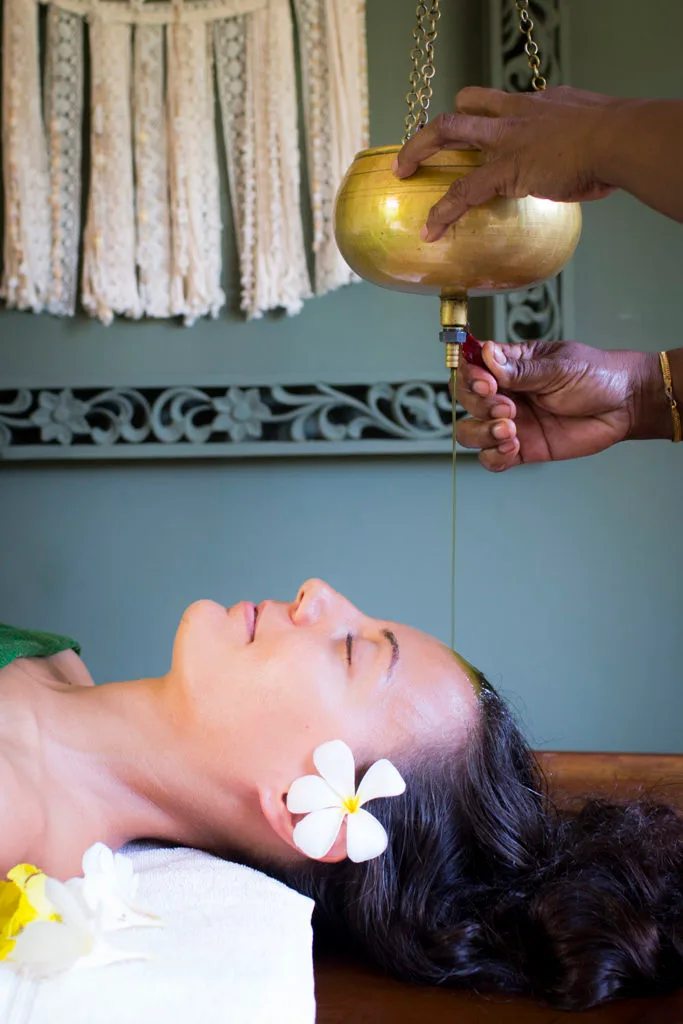
Abhyanga oil treatments and Shirodhara are familiar names at many Sri Lankan retreats, but not every treatment is right for every guest or every day. In a personalised programme, the doctor recommends therapies and selects suitable oils or herbs rather than asking you to build your own spa itinerary.
It is also worth asking how many treatments are included, approximately how much time they take and whether the published package price covers them. Clear answers make it easier to compare resorts fairly.
4. Is Food Integrated Into the Retreat?
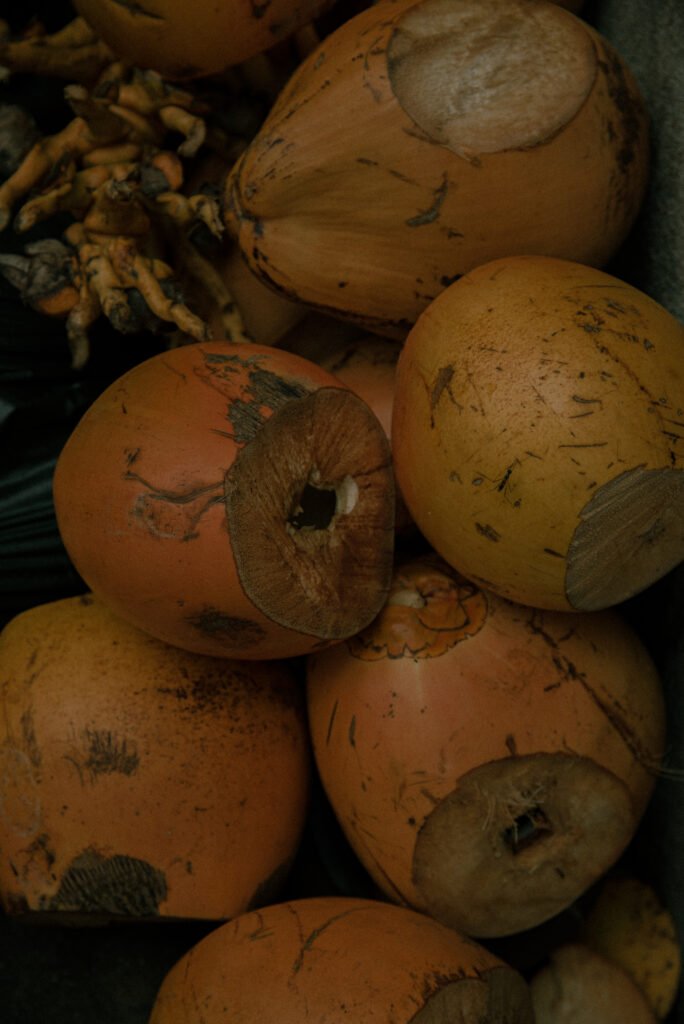
Food is a major part of an Ayurvedic stay. Look for a kitchen that prepares fresh, digestible meals using seasonal produce, herbs and spices. Some resorts serve one balanced menu to the whole group; others adapt meals or portions for individual constitutions.
Ask whether the programme is vegetarian, whether vegan meals are available and how allergies are handled. If you rely on coffee, alcohol or particular snacks, check the policy in advance. Retreat cuisine can be generous and enjoyable, but it may be very different from a conventional resort buffet.
5. What Does a Typical Day Actually Look Like?
A useful sample schedule tells you more than a list of facilities. You may have early yoga, breakfast, one or more treatments and an afternoon workshop—but there should also be time to rest.
A retreat that keeps guests occupied from dawn until bedtime can feel surprisingly tiring. Ayurveda is not a race to complete the largest number of therapies. Quiet periods allow the body to settle and give you time to walk, journal, sleep or simply absorb the experience.
6. How Much Yoga or Meditation Is Included?
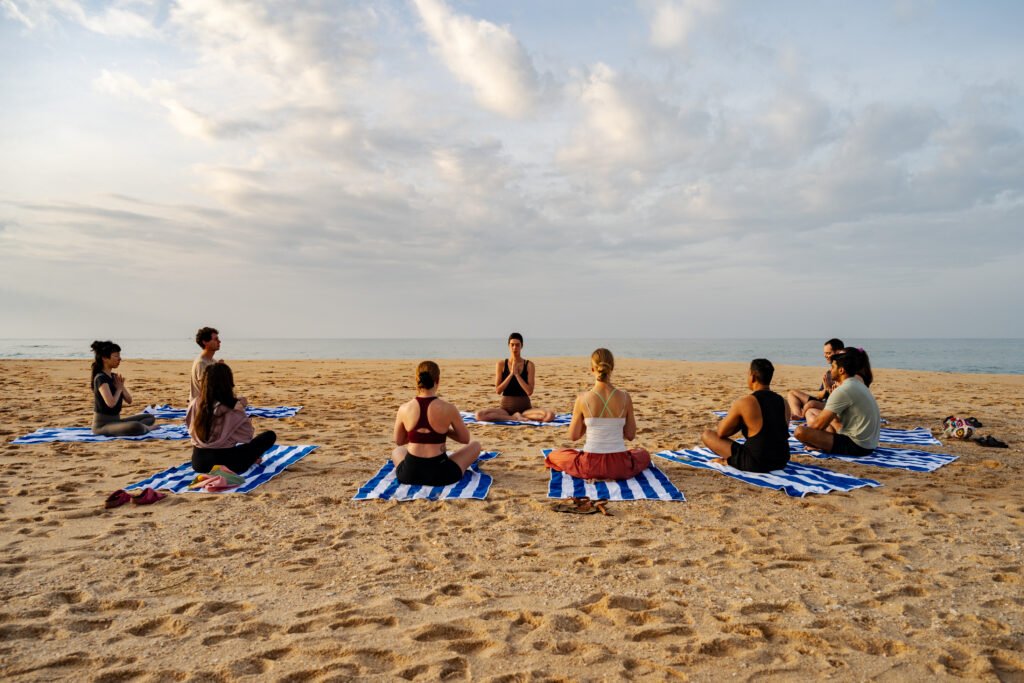
Ayurveda resorts often combine treatment with yoga, meditation, pranayama or breathwork. Check how frequent the classes are, what style is taught and whether beginners are welcome.
This can be a deciding factor. A guest primarily interested in yoga may want longer classes and workshops, while someone seeking deep rest may prefer gentle movement and a quieter schedule. Neither should have to force themselves into the other’s retreat.
7. Does the Location Support the Experience You Want?
Sri Lanka’s Ayurveda retreats can be found beside the ocean, in the hills, near historic towns and within tropical gardens. Think about how you want to feel when you step outside the treatment room.
The south coast combines warm weather, long beaches and access to nature. Near Tangalle, Rekawa is known for its lagoon, coastal forest and protected turtle-nesting beach. It feels removed from busier resort towns without being cut off from the character of southern Sri Lanka.
Location also affects transfers and seasonal conditions. Ask the property for realistic travel times rather than relying only on map distance, and check whether the retreat arranges airport transport.
8. How Long Should You Stay?
A day programme or long weekend can introduce you to Ayurveda and create a welcome pause during a wider trip. Five to seven days allow more time to settle into the routine. Ten days or longer give the practitioner opportunities to monitor progress and make adjustments.
The best choice is not necessarily the longest programme you can afford. It is the one that fits your goal and allows you to participate without worrying about work, onward travel or an unrealistic schedule.
Flexible resorts can be particularly helpful for first-time guests. For example, this guide to Ayurveda resorts in Sri Lanka explains how Rekawa Wellness Resort offers personalised residential stays from one to fourteen days, along with individual treatments and day programmes. Guests can begin a bespoke retreat on any day of the week rather than planning around one fixed arrival date.
9. What Support Will You Take Home?
The most useful retreat experiences are not sealed off from real life. Ask whether your stay includes practical recommendations, a cooking class, a home yoga sequence or guidance on daily routines.
You will probably not recreate a tropical retreat at home, and you do not need to. One breathing practice, a more regular mealtime or a few minutes of quiet in the morning may be more sustainable than a complete lifestyle overhaul.
A Quick Booking Checklist
Before paying a deposit, confirm:
- Who conducts your consultation and oversees treatment
- Which therapies and follow-up consultations are included
- Whether meals, classes and accommodation are covered by the rate
- How dietary needs and health conditions are handled
- The cancellation and date-change policy
- Airport transfer options and realistic journey time
- What clothing, medication or personal items you should bring
- Whether intensive treatments require a minimum stay
Share relevant health information with the retreat before arrival. If you are pregnant, take prescription medication, live with a medical condition or plan to undertake an intensive cleanse, speak with your usual healthcare professional too. Ayurveda may complement a wellbeing plan, but it should not replace necessary medical care.
Choose the Retreat, Not Just the Setting
Sri Lanka makes a beautiful backdrop for a wellness holiday, but an authentic Ayurveda experience is defined by more than palms, oil treatments and ocean views. Look for qualified guidance, genuine personalisation, nourishing food, a sensible rhythm and honest communication about what a programme can offer.
When those elements align with your intentions, the resort becomes more than somewhere to stay. It becomes a rare opportunity to pay attention—to how you rest, how you move and what you may want to carry home.
You must be logged in to post a comment.