

Time offline · Device policies and practical support
Before booking a digital detox retreat, ask what happens to your phone. You might keep it in your room, choose to lock it away yourself or follow an organiser’s agreed handover procedure. A woodland setting and the absence of guest Wi-Fi tell you much less about how the break will actually work.
A digital detox retreat is a stay planned around reducing screen time or taking a break from particular online activities. This guide compares the arrangements that matter when you want time offline: device rules, urgent contact, the daily programme and the practicalities of staying without an app. Four examples in Italy and Thailand show how different those arrangements can be. They illustrate contrasting formats rather than a ranking of the best retreats.

Compare phone policies at digital detox retreats
Swipe across the table to see every column.
| Arrangement to check | What it means in practice | Ask before booking |
|---|---|---|
| You put your own device away | A room safe or voluntary lockbox can create a boundary while you retain access. | Who has the key, and can you retrieve the phone whenever you need it? |
| An organiser holds devices | The handover and return procedure determines access; do not assume it is compulsory. | Which devices are collected, how are they stored and what exceptions apply? |
| Use is limited to certain areas | Bedrooms or a designated connected space can coexist with device-free communal areas. | Where can you connect, at what times and are calls and photography treated differently? |
| No guest Wi-Fi is supplied | You may still have a mobile signal or access to your own data outdoors. | What connectivity remains, and what practical help is available without it? |
| Time online is scheduled | A short access window can accommodate an agreed essential task. | Who arranges access, and is the window compatible with your responsibilities? |
Choose your purpose and the length of the stay
Decide which part of your screen time you want a break from: work email, social media or repeatedly checking notifications. You might want quiet time alone, shared activities or help setting boundaries around technology. Choose a start and end for the break, then compare the actual nights and timetable. Allow for the journey, arrival and departure arrangements so you know how much time you will have to settle in. A longer booking also changes the total cost and the support you will need.
Find out who keeps the device and how you get it back
Ask for the written policy that applies to your particular booking. “Phone-free” can describe a dining room, a teaching session or an entire programme. Find out whether laptops, tablets, smartwatches, e-readers and cameras are covered too. A rule about taking calls may differ from one about reading or photography.
If a lockbox is supplied, establish whether using it is voluntary and who controls the key. If staff will hold your phone, ask how it is labelled, secured and returned, including during the night or if you leave early. Agree any essential exceptions before paying a deposit. A clear retrieval procedure is more useful than a general promise that guests disconnect.
Check what other people are expected to do. You might prefer a shared agreement that keeps screens out of meals and communal rooms, while allowing a private call elsewhere. Ask how that agreement is explained and handled during your dates.
Arrange urgent contact before going offline
Give a trusted person the venue’s agreed contact number, your booking name and your arrival and departure dates. Establish who answers the number, the hours it is staffed and how an urgent message reaches you. A general reservations inbox does not tell you whether anyone monitors family messages overnight.
Discuss caring responsibilities and any technology you rely on for access, communication or essential personal tasks. You may need an exception for one device or a brief agreed check-in. Describe the requirement to the organiser and get the arrangement confirmed rather than discovering a conflict at arrival.
If a basic phone is provided, ask whether it is charged, has coverage and can receive the calls you need. Check how you will contact staff when outside your room or walking away from the property. Keep the agreed numbers and directions on paper. You can set a boundary around routine messages without leaving people uncertain about reaching you when it matters.
Look at what fills the day and who is there to help
A self-directed stay may give you books, walking suggestions and time to yourself. A facilitated retreat can add classes, group activities and a teacher or host. Compare the actual timetable and the support included. An attractive cabin and a residential meditation programme can offer very different amounts of company and guidance.
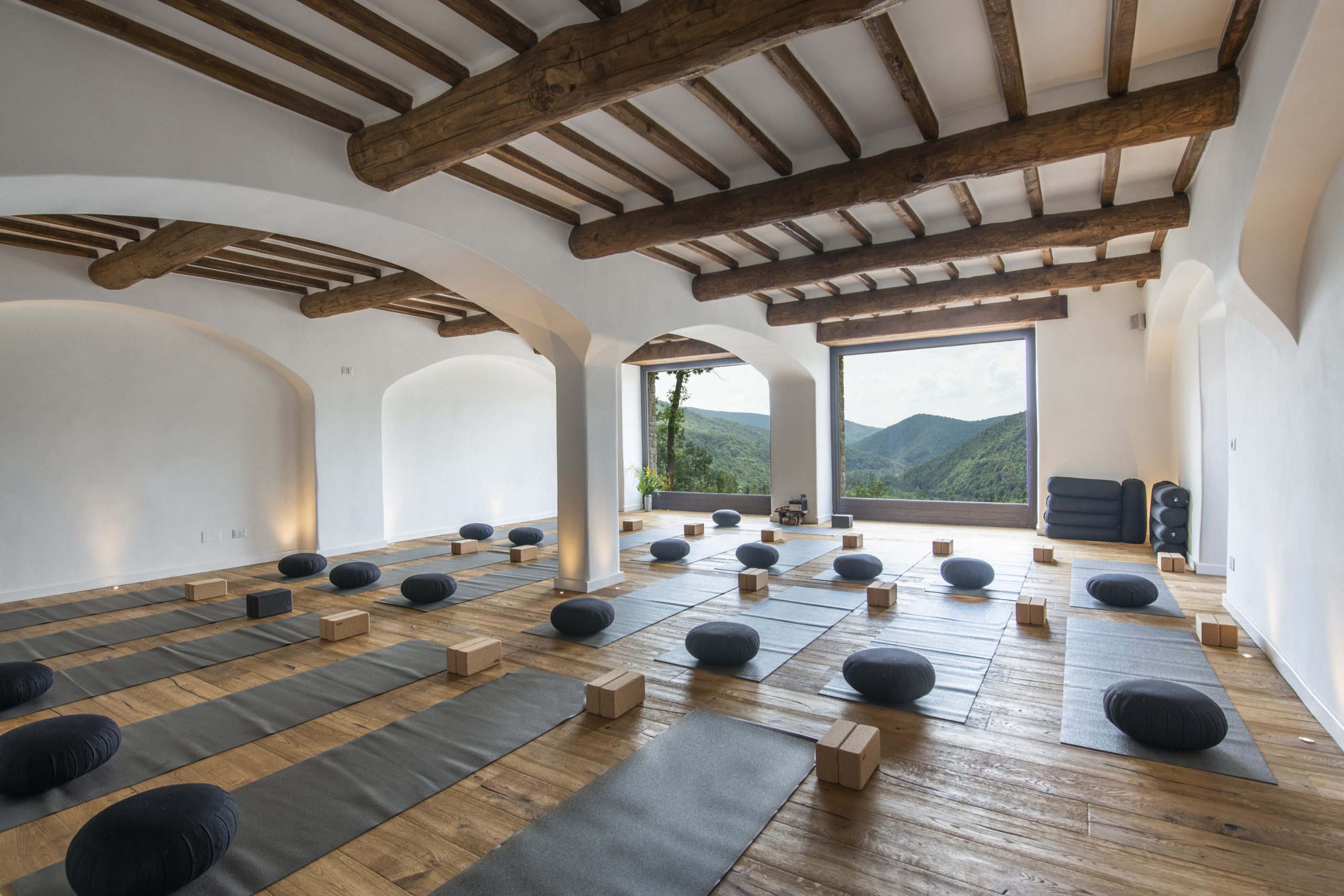
Ask which activities are optional, when you can rest and what happens in poor weather. Find out how walks are planned, how demanding they are and whether a guide accompanies them. You should be able to understand the day without relying on a photograph of a yoga class or a list of possible activities.
Read any expectations around silence, communal tasks or spiritual practice. Some people want a quiet hotel break; others want a structured group. Our guide to retreat types and what to expect can help you compare those formats before choosing a destination.
Check rooms, meals and the arrival route
Choose the exact room and bathroom category, including whether you will share with someone you do not know. Check heating, cooling, lighting and the route between your room, meals and activities. Ask the venue to describe steps, slopes and surfaces if they affect your stay. A remote address alone does not establish suitable access.
Compare full board with self-catering and partial meal plans. Find out whether arrival and departure meals are included, how dietary requests are handled and whether you need to book restaurants before putting your phone away. For a self-catering stay, confirm what food, drinking water and cooking facilities you need.
Download or print the host’s arrival instructions and check any parking, transfer or door-access arrangements. Ask whether a code, payment or check-in process normally depends on a smartphone. Plan the offline part of the journey around those details rather than assuming navigation will work at the final turn.
Four digital detox retreat formats in practice
These independently checked venues illustrate different policies, from a hotel without guest Wi-Fi to a connected luxury resort with designated device-use areas. Confirm the policy, programme, room and available dates directly. None of these examples should be read as a promise that you cannot connect or that staff will take your phone.
Eremito
Near Parrano, Umbria, Italy · Mid-range to luxury, by room and season · Usual minimum 2 nights
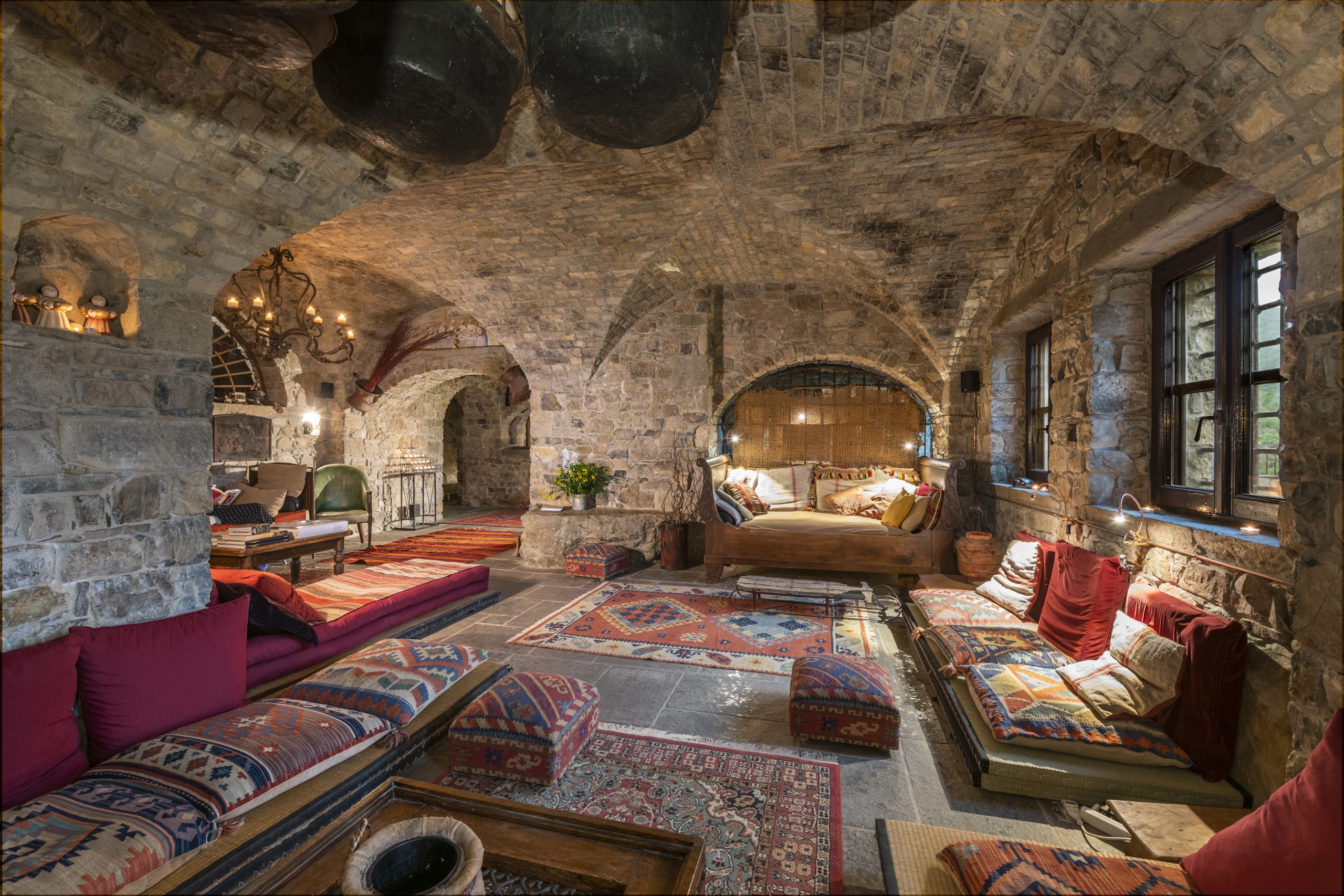
Eremito describes itself as a secular contemporary hermitage and hotel. It supplies no guest Wi-Fi, and phones are kept out of communal areas. Indoor mobile reception is generally unavailable, but guests can use their own data in a designated outdoor area. Reception can pass on calls and emails. This is a low-connectivity setting rather than a published phone-surrender course.
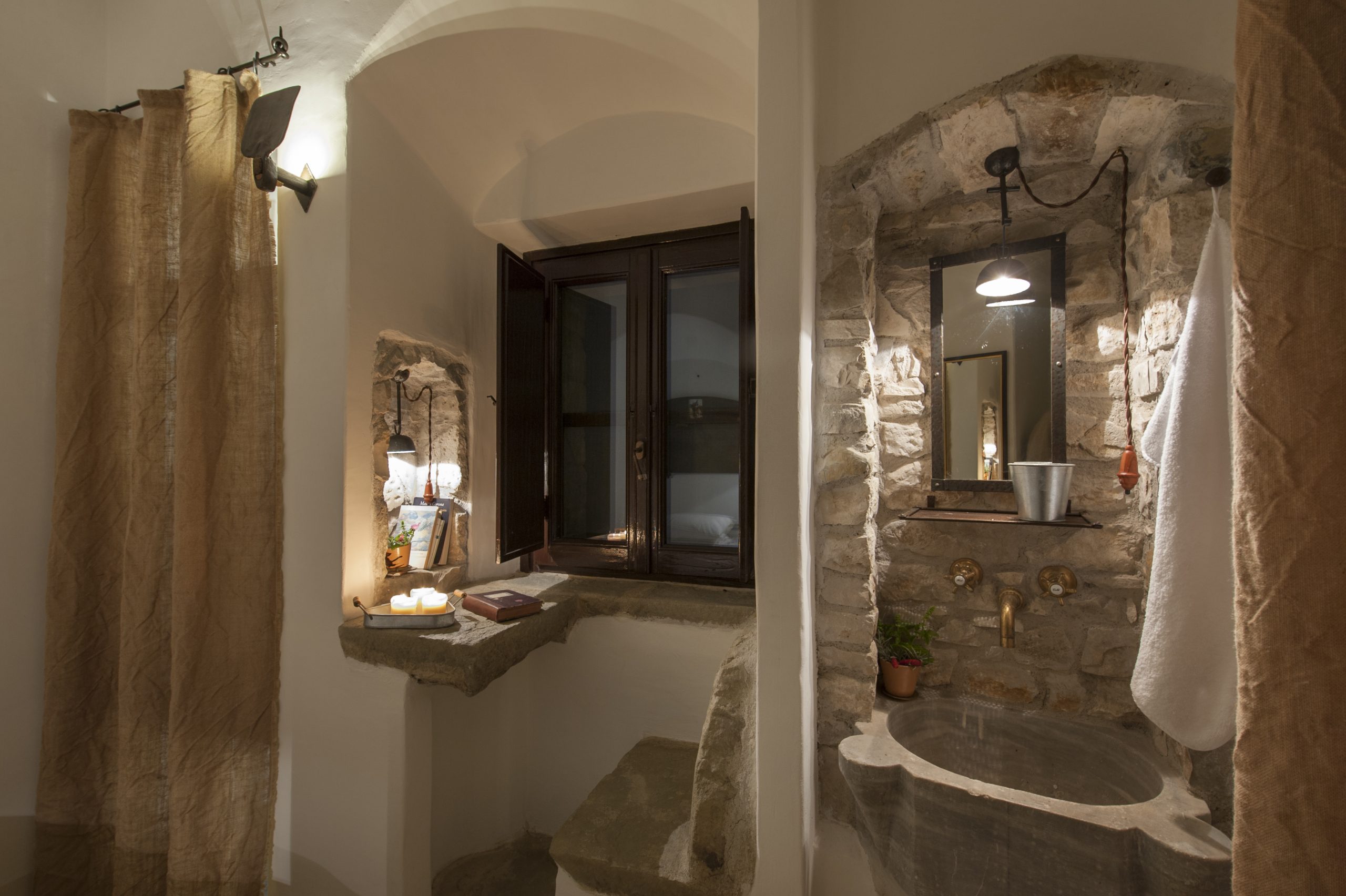
The usual two-night minimum includes vegetarian full board and a choice of activities and relaxation facilities. Bedrooms have private shower bathrooms; dinner is silent, rather than the whole day. The final eight kilometres of approach are unpaved, with a car park below the buildings and an on-request jeep connection. Confirm the room, route and assistance you need before travelling.
Mandali Retreat Centre
Quarna Sopra, Piedmont, Italy · Mid-range to luxury, by programme and room · Minimum 2 nights; retreat participation required
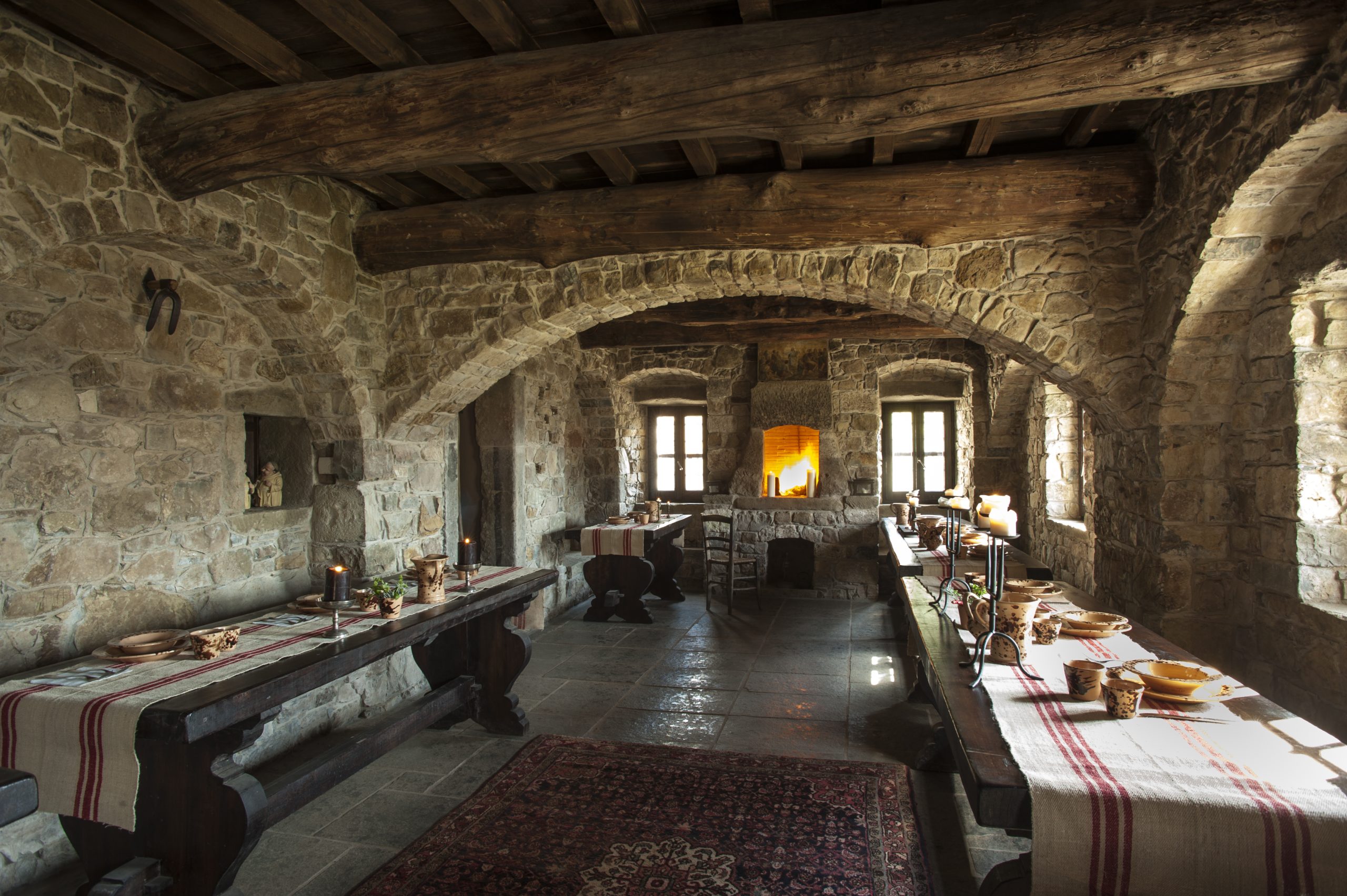
Mandali has no Wi-Fi in bedrooms, but its library offers free Wi-Fi throughout the day. That makes it an example of reduced connectivity with a connected space, rather than complete disconnection. Staying requires joining a retreat. Ask which device rules apply to your in-house or visiting-teacher programme, and arrange any urgent family contact directly.
The in-house Mandali Experience includes accommodation, meals, classes and body-care facilities; transport and treatments cost extra. Single and twin en-suite rooms, premium choices and shared rooms offer different levels of privacy. Some accommodation spans two levels, so discuss access to the actual room and practice spaces. The centre welcomes different traditions without belonging to a particular religion.
Suan Sati
Mae Wang district, Chiang Mai, Thailand · Budget to mid-range, by room · Winter programme: 6 days and 5 nights
Suan Sati’s winter residential programme offers a digital detox alongside yoga and meditation. Staff can provide a brief hotspot for urgent family matters or business, with device use kept away from other guests. Participation in the practice sessions is expected. Its spiritual approach draws on Buddhist teachings and Hindu mantras, without requiring guests to follow a religion.
The six-day, five-night stay includes accommodation, three plant-based meals daily and return transport from the designated Chiang Mai old-city pickup point. Dorms use shared bathrooms, while queen rooms and roundhouses have attached bathrooms. Check the room’s cooling arrangements and the arrival instructions. The venue does not accept arrivals after 9pm; confirm the pickup and the full programme dates before booking flights.
Chiva-Som Hua Hin
Hua Hin, Thailand · Luxury wellness resort · Programme-specific minimum; Essentials advertised from 2 nights
Chiva-Som limits digital-device use to designated areas while supplying Wi-Fi and televisions in guest rooms. Its detailed FAQ names bedrooms, the library and an open lounge; confirm the current boundaries when booking. It illustrates a resort that protects some communal time from screens while allowing private connectivity. It is not a fully offline property.
Stays are sold with wellness programmes, meals and activities rather than as room-only bookings. The FAQ gives a general three-night minimum, but the current Essentials offer starts at two nights, so use the conditions for your specific programme. Confirm the included treatments, transport costs and room arrangements. Selected rooms and wellness areas have wheelchair access, with steps and ramps elsewhere requiring individual discussion.
Map of the four retreat examples
Compare the locations of the four examples. Select a pin for the article section, official website and Google Maps location.
Pins show the listed venue location. Confirm the correct entrance and arrival arrangements directly with the retreat.
Compare the complete stay rather than a headline price
Ask for a quote for your exact dates, room, occupancy and number of nights. Separate the accommodation from any compulsory programme charge, and add meals, transfers, travel, equipment or activities that fall outside the package. A nightly room rate and a per-person residential programme price describe different purchases.
Use budget, mid-range and luxury as practical comparisons of accommodation and service. A shared room on a structured programme may provide more organised support than an expensive private room. Luxury can add comfort, facilities and individual services, but it does not establish a stricter phone policy.
Read deposit, cancellation and early-departure terms. Ask what happens if the teacher, venue or planned activities change. If keeping a particular room, transfer or exception to the device rules matters to you, have it included in the booking confirmation.
Prepare the practical details before switching off
Put tickets, directions, pickup details, essential contacts and any access codes somewhere you can use without a connection. Decide how you will tell the time, wake up and make any essential payment. Check whether the host already supplies a clock, maps, books or games before buying equipment.
Bring something you already enjoy doing without a screen: a book, a notebook if writing is allowed, or suitable clothing for the advertised activities. Ask about cameras and e-readers rather than assuming they sit outside the rules. Keep packing proportionate to the actual programme and weather.
Tell people when routine replies will pause and give them the agreed urgent-contact route. If you need to finish a necessary online task during the stay, agree when and where you will do it. A clear arrangement is easier for both you and the organiser to follow.
Choose one useful boundary to take home
Before leaving, decide which part of the stay you would like to keep in ordinary life. It could be a meal without the phone, a particular reading period or putting work messages aside after a chosen time. Pick something compatible with your work, access needs and responsibilities.
You do not need a remote holiday to try a short period offline. The reason to pay for a retreat is the particular accommodation, company, teaching or support it provides. Compare those elements closely, and treat “digital detox” as the start of your questions about the offer.
Questions to ask before you book
Send the same questions to each shortlisted organiser. Specific answers about your dates will let you compare the support and practical arrangements on equal terms.
- Which devices are covered, who keeps them and how can I retrieve mine?
- Where and when are Wi-Fi, calls, messages and photography allowed?
- What exceptions can we agree for essential personal or caring responsibilities?
- Who handles urgent messages from home, and during which hours?
- Which activities are included or expected, and how much time is self-directed?
- Which room, bathroom, meals and arrival arrangements are included?
- What is the total price for my dates, occupancy and full stay?
- What are the cancellation, early-departure and programme-change terms?
Optional essentials for time offline
Advertisement / affiliate links. As an Amazon Associate, Review My Retreat earns from qualifying purchases.

Moleskine Classic Large ruled notebook
A ruled notebook with a hard cover, elastic closure and ribbon bookmark for writing down practical details or personal reflections while your phone is put away. A notebook you already own works too; check whether your particular retreat allows writing during quiet periods.
Moleskine via Amazon / Review My Retreat archive
View on Amazon (Ad)
About Rob Horsfall
Rob has been interested in spirituality since visiting India in 2002. After completing his philosophy studies at university, he continued studying the Buddha's teachings in Sri Lanka. He returned in 2011 and now spends his time developing Review My Retreat, studying acupuncture and integrating insights from different spiritual traditions into everyday life.
You must be logged in to post a comment.