

The information guide Reviewed October 2026
Ayahuasca and the UK.
Law, evidence and the limits of a retreat.
A clear guide to the legal and health questions behind the search, and why a retreat advertisement is different from clinical evidence.


About this guide: This article provides general information from legislation and health research. It cannot assess an individual’s medical situation or determine the legal status of a particular event. Review My Retreat offers paid marketing services to retreat providers; a commercial relationship does not verify medical care or legality.
People encounter ayahuasca through accounts of spiritual experiences, personal change and emerging psychedelic research. Those subjects are related, but they answer different questions. A meaningful personal account does not establish a treatment, and a website advertising ceremonies does not establish permission to supply a controlled drug.
The short answer
DMT is a Class A controlled drug under UK law. Schedule 2 also covers preparations or products containing listed substances. Claims that an ayahuasca ceremony is simply legal because it is private, spiritual or membership-based should not be relied on.
This October 2026 edition focuses on law, research and health context. It replaces the earlier provider shortlist with independent information and preserves the original article’s useful questions about medicines, professional responsibility and follow-up.
Read the claim carefully
What a description does, and does not, establish.
These distinctions help separate a programme’s language from the evidence needed to support it.
On smaller screens, scroll across the table to see all columns.
| Description | What it may describe | What it does not establish |
|---|---|---|
| Private, spiritual or members-only | The organiser’s description of the setting | An exemption from controlled-drug law |
| Trauma-informed | An intended approach to how people are treated | A regulated clinical service or proven trauma treatment |
| Research-backed | A reference to studies of a substance or intervention | That the same outcomes or safeguards apply to a commercial retreat |
| Integration support | Follow-up conversations or other support | The qualifications, availability or clinical scope of that support |
The table is an editorial framework for reading claims, not certification of a programme or advice on participating.
A wider perspective
Space to pause, without a promised breakthrough.
The photograph below is illustrative and is not connected to a psychedelic programme.
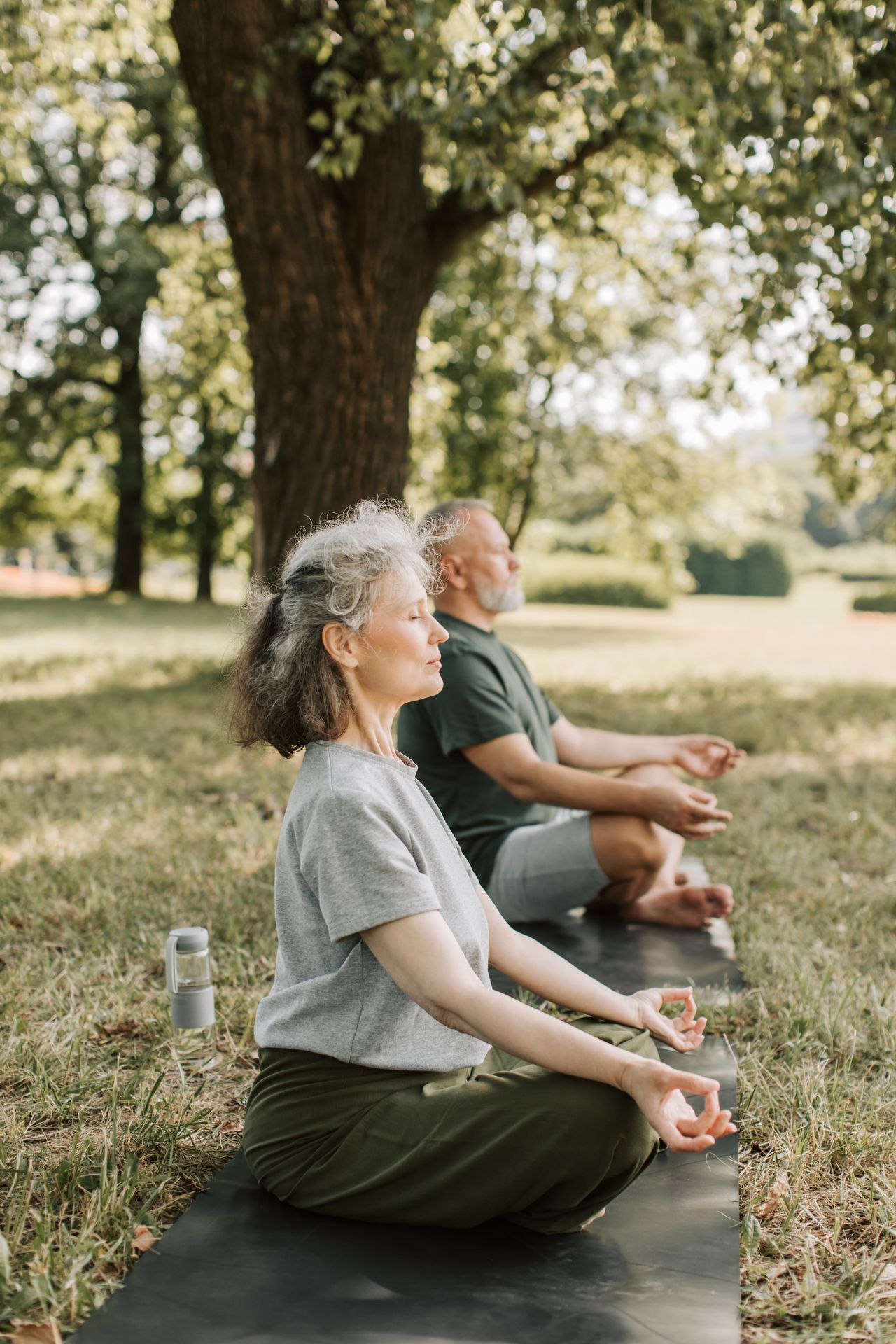
Time for reflection can take many forms.
If you are looking for rest, community or a regular contemplative practice, consider options that do not involve psychoactive substances. A retreat is optional, and it is not a substitute for the healthcare you need.
What UK law says.
Schedule 2 of the Misuse of Drugs Act 1971 lists N,N-dimethyltryptamine (DMT) in Part I, Class A. Its preparation provision is relevant to products containing a listed substance; the word ayahuasca does not need to appear in a marketing description for controlled-drug questions to arise.
The practical legal position depends on the substance and the activity involved. A cultural description, waiver or private-club arrangement is not evidence of an applicable legal authorisation. Obtain advice from an appropriately qualified, independent legal professional if you need a decision about a particular situation.
UK classification also cannot be used to infer another country’s rules. Equally, an event advertised abroad does not change the UK position. This guide does not identify places to obtain controlled substances.
A tradition, a substance and a modern retreat.
Ayahuasca is associated with longstanding ceremonial practices in parts of the Amazon region. Contemporary commercial retreats are a different setting, even when they draw on Indigenous traditions. Respect for that history does not remove questions about health, consent or legal responsibility.
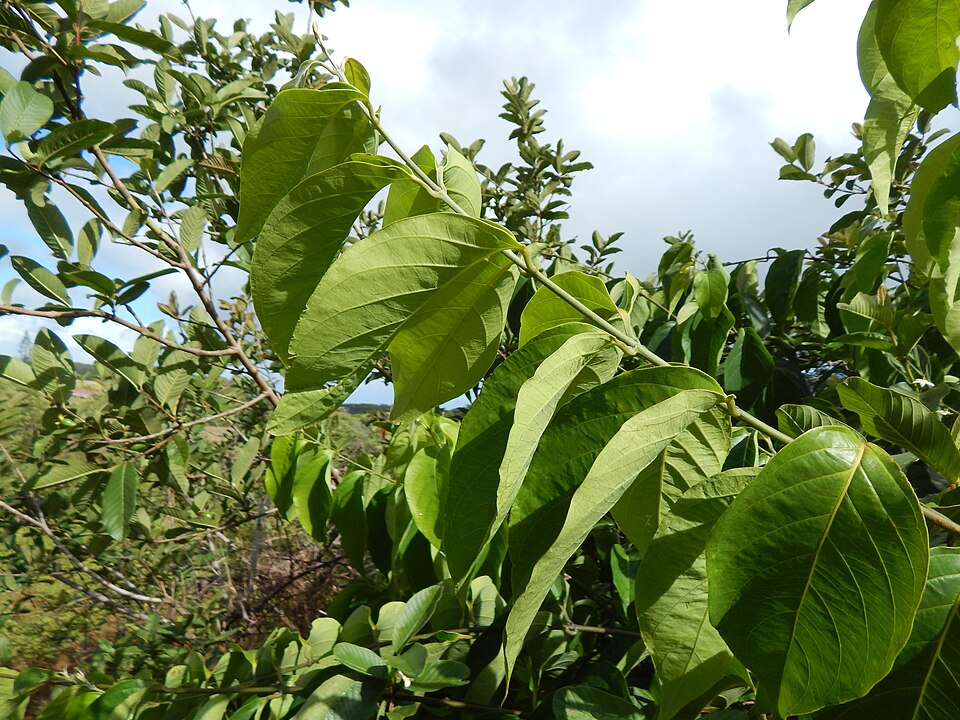
The term is commonly used for a psychoactive brew containing DMT and other plant compounds. Formulations vary. Broad labels such as natural or traditional do not tell a reader its exact composition or establish that it is safe.
What the research can tell us.
The European Union Drugs Agency’s psychedelic FAQ distinguishes clinical research from unregulated retreat settings. Findings from carefully selected participants and defined clinical protocols cannot simply be transferred to a commercial ceremony.
A 2024 systematic review of ayahuasca and DMT safety reported relatively infrequent serious adverse effects in healthy populations in controlled settings, while documenting adverse events, medication concerns and important evidence gaps. That conclusion does not certify a particular retreat or predict an individual response.
Possible effects include altered perception, distress, nausea, vomiting and changes in cardiovascular measures. Some people report experiences they value; others experience difficulties. Neither a powerful experience nor vomiting demonstrates that an illness has been treated or toxins removed.
Research is developing, and the substance, screening, setting and follow-up all matter. Treat claims of guaranteed trauma recovery, a cure for depression or universal suitability as claims requiring evidence, rather than established outcomes.
Medication decisions belong with your prescriber.
Ayahuasca’s compounds can interact with medicines. A retreat questionnaire or a general list found online cannot assess your full prescriptions, supplements, health history and individual risks. Discuss concerns with the clinician responsible for your care.
The NHS advises against stopping antidepressants suddenly or without speaking to a doctor. Do not change or taper prescribed medication to meet a retreat’s instructions without your prescriber’s involvement. This article does not provide washout periods or medication schedules.
Safeguarding and professional responsibility.
Labels such as therapist, facilitator, shaman and coach refer to different roles. Ask what a claimed qualification actually covers and whether a clinical claim is backed by the relevant professional registration. A short course or attendance certificate is not the same thing as a healthcare qualification.
Clear consent, boundaries, privacy, complaints and emergency arrangements matter in any setting involving vulnerability. A reassuring photograph, testimonial or general statement about safety does not answer those questions. Follow-up described as integration should have a clear scope and a responsible person; it should not be assumed to provide psychiatric or medical care.
If you are looking for help or have had difficulties.
If depression, anxiety, trauma or another health concern is driving your search, speak with a GP or an appropriately qualified mental-health professional about established care options. A retreat can be considered separately from treatment; it should not delay care you need.
If you feel unwell after taking a substance, seek medical advice and tell the clinician what you believe was taken, including other medicines or substances. Severe or rapidly worsening symptoms need urgent medical assessment. For ongoing distress, qualified support is more appropriate than pressure to reinterpret every difficulty as a spiritual breakthrough.
If your aim is simply time away, quiet or a regular practice, non-drug meditation, nature and yoga programmes are other formats to explore according to your needs.
Common questions
Understanding the context.
Is an ayahuasca ceremony automatically legal in a private setting?
No. A private, religious or membership description does not by itself establish an exemption. DMT is listed as Class A, and the law covers relevant preparations. A specific legal question needs qualified independent advice.
Is there a reliable safest-retreat ranking?
A ranking cannot establish an individual’s medical suitability, the contents of a preparation or the competence and legal position of an event. This guide therefore focuses on independent information rather than naming a safest provider.
Can ayahuasca interact with antidepressants?
Potential interactions are documented. Your prescriber should assess your actual medicines and circumstances. Do not stop or change an antidepressant because of retreat instructions or an online timetable.
Does preparation or integration make a retreat equivalent to treatment?
No. Those terms describe support, but do not establish the qualifications, clinical protocols or regulated responsibilities found in healthcare. Their meaning and limits need to be clear.
Sources and review notes.
Reviewed 24 October 2026. UK legal classification was checked against the legislation; health context draws on the linked review, EUDA and NHS sources. Images are clearly labelled illustrations of ordinary practice settings, not evidence about an ayahuasca venue.
- UK legislation — Misuse of Drugs Act 1971, Schedule 2
- EUDA — therapeutic use of psychedelic substances FAQ
- White and colleagues, 2024 — ayahuasca and DMT adverse events and toxicity review
- NHS — antidepressants, including stopping treatment
For an editorial correction, use our contact form.
An informed next step
Start with reliable information.
For a health concern, speak to a qualified clinician. For a specific legal question, seek independent legal advice. Neither decision needs to depend on a promotional promise.
Read the sources ↑Keep exploring.
About Rob Horsfall
Rob has been interested in spirituality since visiting India in 2002. After completing his philosophy studies at university, he continued studying the Buddha's teachings in Sri Lanka. He returned in 2011 and now spends his time developing Review My Retreat, studying acupuncture and integrating insights from different spiritual traditions into everyday life.
really enjoyed reading this detailed review of the ayahuasca retreat in the UK. It’s clear that thoughtful preparation, a safe environment, and proper integration are key to a transformative experience. I’ve found that blending these elements can truly amplify healing and personal growth and For anyone curious about making the most of a plant medicine retreat, Thanks for sharing this review—it’s an inspiring read!