



A writing retreat is worth choosing for the work it lets you do. A quiet bedroom and meals brought to the table may be exactly right when a draft needs finishing. If you are unsure why a scene fails, however, solitude will not replace a tutor who reads it carefully. A group that writes together can provide useful structure without offering either a course or manuscript criticism.
If you are new to residential breaks, our guide to retreat formats explains the broader choices.
This guide separates those formats, then uses writing retreats in the UK to show how they work in practice. The examples include independent library stays, facilitated academic writing and residential creative writing courses. Choose the programme first, then check the room, meals and journey: the same house can host very different kinds of week.
Choose the format that matches your writing
Begin with a specific task rather than a promise to “write more”. You might want to draft three linked scenes, reorganise an argument, try writing poetry or understand what a reader finds confusing in a chapter. That task helps you decide how much of the day should belong to you and how much should involve someone else.
| Format | What you are paying for | Useful when | Check before booking |
|---|---|---|---|
| Independent writing stay | A place to work, with accommodation and sometimes meals | You know the next task and want uninterrupted time | Private workspace, food arrangements and whether any support is included |
| Facilitated writing sessions | Protected sessions, goal setting, breaks and company | You need a workable rhythm or help keeping a commitment | Whether the facilitator discusses process or actually reads your writing |
| Taught course or tutored retreat | Craft teaching, exercises, discussion and specified feedback | You want to learn a technique or examine work with a tutor | Genre, experience level, tutorial time and manuscript limits |
On a phone, swipe across the table to compare all four columns.
An independent stay does not need to feel isolated: shared meals may provide conversation while the working day remains your own. Equally, a facilitated group can be sociable without asking anyone to read aloud. Ask about the actual arrangements; “supportive” and “structured” do not tell you whether a tutor will assess a single paragraph.
Within taught programmes there is another useful distinction. A course normally has a syllabus and exercises chosen for the group. A tutored retreat may leave more time for your existing writing project, with a workshop or one-to-one meeting alongside it. Neither label guarantees a particular balance. Request the timetable and use that to judge the fit.
Match the programme to your project
If you are starting fiction, a course that explores character, point of view or scene construction can give you something concrete to practise. A novelist with a complete draft may need close attention to structure instead. Ask whether the tutor can read the work in advance and whether the session concerns the submitted extract or the book as a whole. A short extract cannot establish how every chapter connects.
For memoir and other non-fiction, check the tutor’s experience with your form. Research-led history, personal essays and a practical business book bring different questions. You may need help shaping an argument, selecting material or deciding what belongs outside the manuscript. Do not assume that a general creative course includes fact checking, legal review or publishing advice.
Poetry courses can offer attention to language and line, with workshops that ask you to discuss other participants’ poems. That can be valuable, but it is a different use of time from revising a collection alone. Find out whether you should bring finished poems, drafts or simply an interest in trying the form.
Academic writers should check whether a programme welcomes their kind of work. Facilitated sessions may suit a thesis chapter, article or funding application, while a fiction workshop may not address argument, methods or disciplinary conventions. A writing facilitator can help organise the process without being qualified to assess the research itself.
You need not have a publication plan to attend. Beginners can look for explicitly introductory courses; experienced writers may prefer independent time. Eligibility, application requirements and the willingness to share work matter more than a broad claim that a retreat welcomes “all writers”.
Map of the seven UK writing venues
The map locates the seven physical venues used as examples in this guide. Select a pin for its article section, official website and Google Maps location. The programme you book determines whether the stay is independent, facilitated or taught.
Pins show the listed venue location. Confirm the correct entrance and arrival arrangements directly with the retreat.
UK examples: see how the formats differ
These seven settings illustrate different ways to make room for writing. The distinction is the programme you book, rather than whether the property calls itself a retreat centre, library or college. Follow the linked provider information for current dates and the precise package.
Gladstone’s Library, Hawarden: an independent library stay
Gladstone’s Library in Flintshire offers accommodation for reading, study and writing, with single, twin and double rooms. Bedrooms have private bathrooms, mostly ensuite, and continental breakfast is included; budget separately for other meals. A room booking gives you a residential base rather than an editorial service, so arrange any course or event separately.
The current accommodation information gives resident reading-room hours of 9am–5pm, with the Theology Room available until 10pm. Check which space you intend to use if evening work matters. There are two accessible ground-floor ensuite rooms; other bedrooms are upstairs and there is no lift. Confirm the room and available stay length directly, especially if you need a particular access arrangement.
Cumberland Lodge, Windsor: short, fully catered working time
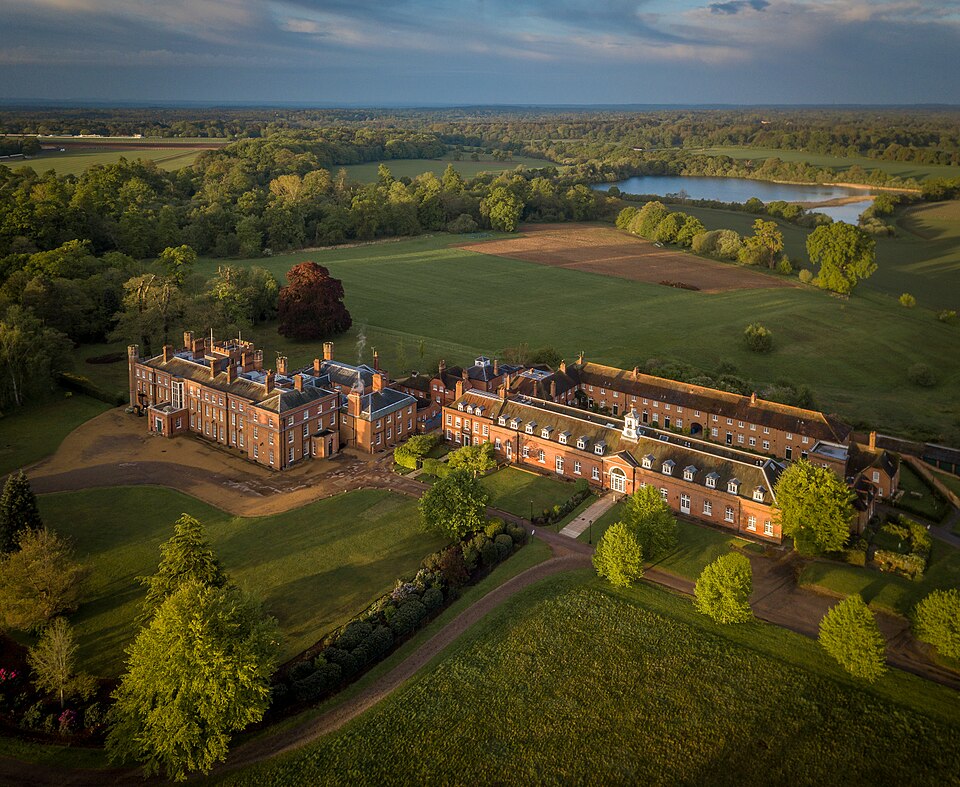

Cumberland Lodge’s individual writing stays welcome creative and academic writers and are self-guided. You can work in your bedroom or communal spaces, with meals at set times and parkland available for breaks. Choose this for independent progress with domestic arrangements taken care of; it does not include a facilitated writing programme.
Advertised two-night dates include 6–8 January and 15–17 February 2027. The published 2026/27 fee is £505 per person, or £305 for a full-time student with proof, including single-occupancy ensuite accommodation, all meals, refreshments, Wi-Fi, parking and VAT. Check availability before arranging travel. Accessible bedrooms and a lift are available; discuss your route between bedroom, working space and dining room. The final day allows working time after the early bedroom checkout, so check both timings when planning departure.
Hawkwood, Stroud: check which kind of writing week you book
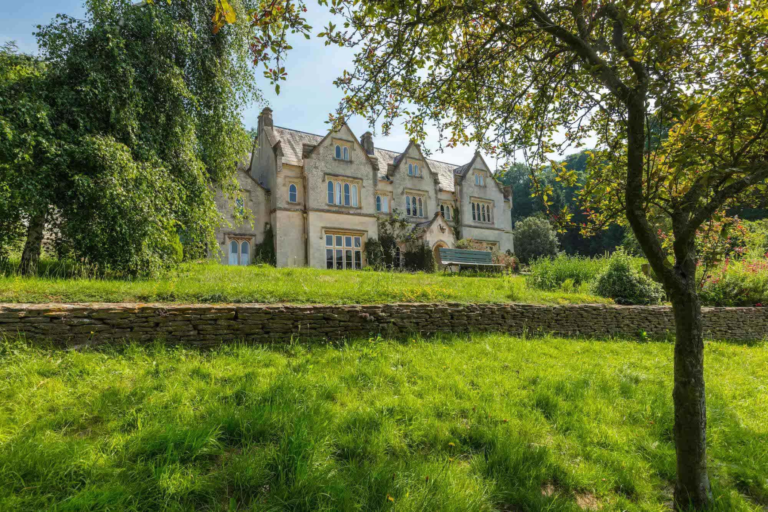
Hawkwood’s official 2026 programme lists a self-guided writing retreat for 30 November–4 December, a four-night stay. The same programme also includes taught writing courses, which makes it particularly important to distinguish independent time from a week with a tutor. Its Gloucestershire estate provides onsite accommodation, with single and shared options, and meals and refreshments feature in the residential arrangements.
Request the full residential price and meal schedule for the actual event: a brochure’s early-bird non-residential starting price is not the cost of a room package. Confirm bathroom arrangements, the room’s location and step-free access before booking. Those details are especially important if you plan to work privately or have mobility requirements.
Chapelgarth, North Yorkshire: facilitated academic writing
Writing Retreats at Chapelgarth, in Great Broughton, is a useful example of facilitation built around academic work. Scheduled writing blocks, breaks, movement and meals organise the day for projects such as thesis chapters, journal articles and grant applications. The facilitator supports the process; confirm separately if you need someone to assess the content of a manuscript.
Retreats run for two to four nights, with dates open to all and others specifically for women. Check the eligibility of your chosen session. Room choices include an ensuite single and options with a private external or shared bathroom; vegetarian meals, linen, towels and facilitation are included. A shared taxi arrangement is published from Northallerton station, so coordinate the specified arrival and departure times before buying tickets. Ask about access to the particular bedroom and writing room, as a detailed step-free route is not established in the information checked.
Moniack Mhor, Highlands: compare three programmes in one place
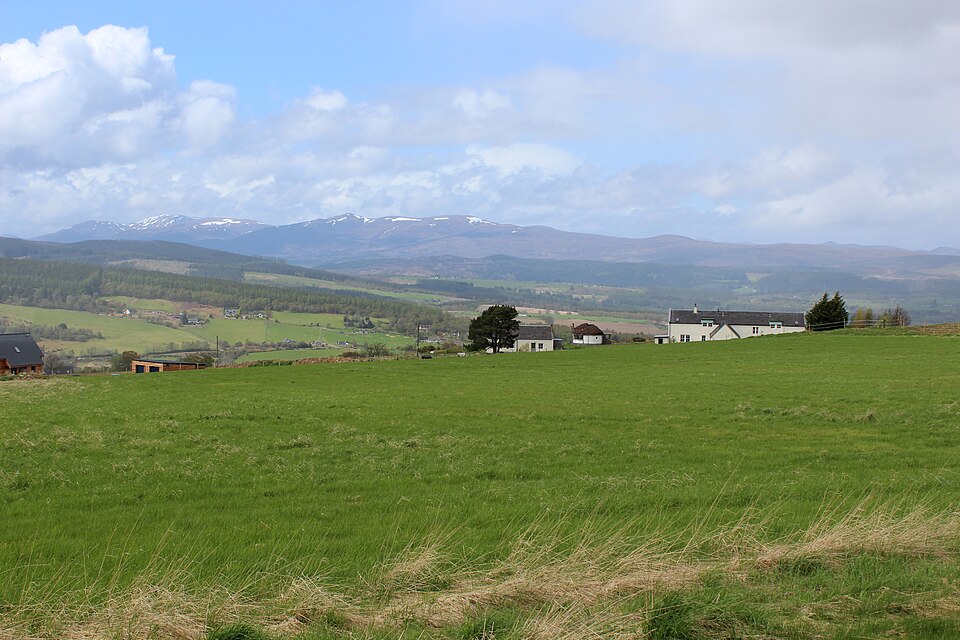

Moniack Mhor, near Inverness, offers self-directed retreats, tutored retreats and taught courses. Its standard residential week runs from Monday evening to Saturday breakfast. On taught courses, workshops and tutorials sit alongside independent time; tutored retreats provide a different balance, with longer individual tutorials and more space for your own project.
For a concrete comparison, the Life Writing course on 8–13 February 2027 advertises £745 per person for a standard single room with a shared bathroom, or £795 for an ensuite single. Both cover five nights, meals, drinks and snacks, four morning workshops and two 30-minute tutorials. Check the course’s current availability and preparation requirements.
Participants help cook one evening meal in teams, with ingredients and instructions provided. That shared task is part of the week rather than a fully serviced hotel arrangement. Accessible ground-floor facilities are available in the main house, while other buildings have limitations. A prearranged shared taxi from Inverness is useful for the rural final leg; confirm its time and charge.
A Place to Write, Corwen: tuition alongside individual work
A Place to Write, at Bron Y Graig in the Dee Valley, offers fully catered tutored and untutored stays. Weekend programmes can be two nights, with longer weekday options; check the event rather than assuming every stay follows the same length. Tutored formats combine writing workshops and one-to-one support, while an untutored booking leaves more time for independent work.
Bedrooms are ensuite, with single-use and sharing options. The room descriptions distinguish front-facing rooms, courtyard rooms and attic accommodation, where the roof is lower in places. The access information is clear that bedrooms are on the first floor or above and that the hillside property is unsuitable for guests unable to manage stairs. A complimentary Chirk station pickup and drop-off is offered; agree the arrangements in advance.
West Dean, Sussex: a residential short course
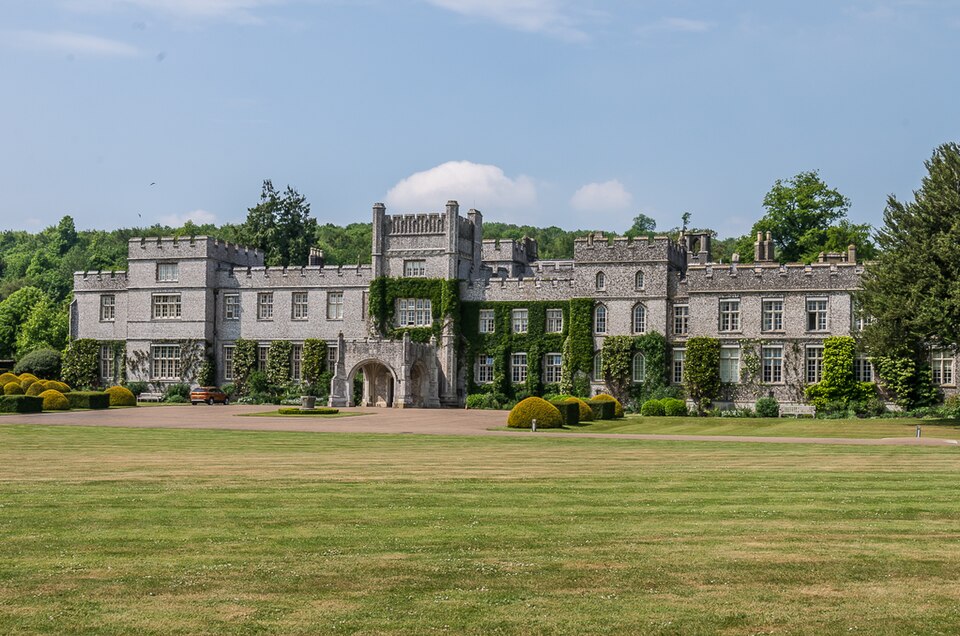

West Dean’s creative writing courses cover forms including fiction, poetry, scripts and screenwriting at different levels. Choose the subject and tutor for the skill you want to practise, and check the campus: the college’s listings include London courses as well as its residential Sussex setting. For example, Art Inspired Writing on 4–6 December 2026, with Ruth Brandt, uses paintings as starting points for prose and poetry, combining exercises, feedback and independent time. Check the course details for preparation and current availability.
For courses lasting more than a day, accommodation can be booked separately. Room categories include ensuite options and rooms with an adjacent private bathroom; some annexe rooms are a five-to-ten-minute walk from the main house. Two specially accessible bedrooms are offered, but discuss your individual route and requirements. Confirm the combined course, room and meal total. Travel information gives Chichester as the rail connection, followed by the number 60 bus or a taxi. Allow for the walk from the bus stop and arrival instructions.
Find out what feedback actually includes
Before paying for tuition, establish who will read your work, how much they will read and when. “Access to a tutor” could mean a scheduled private meeting, a short conversation over lunch or a group discussion. Ask whether the price includes written comments, how long each tutorial lasts and whether additional manuscript assessment costs extra.
Check the submission date, file format and word or poem limit. If the tutor needs material several weeks ahead, a last-minute booking may not include the same preparation. Explain the question you want answered: a chapter can be discussed for voice or pacing without pretending it represents a full novel.
Group workshops also need clear expectations. Will everyone read each other’s work before arriving? Is reading aloud optional? Are participants asked to keep shared work confidential? If you are writing sensitive personal material, choose what you are comfortable sharing and ask about the boundaries before booking. A teaching environment should not be assumed to provide therapeutic support.
Protect the hours you are travelling for
Compare usable working time rather than the headline number of days. An arrival evening, an early departure and several excursions can leave less time than a programme’s length suggests. Look at the interval between breakfast and the first session, the length of afternoons and whether evening activities are optional.
If morning writing is your most productive time, a compulsory morning workshop may interrupt your preferred rhythm. If starting is difficult, that same structure could help. Plan a realistic task for each uninterrupted block, allowing for reading and revision as well as new words. A daily word-count target is useful for some projects and misleading for others.
Ask whether you can work in your bedroom or must use a communal room, whether conversation is allowed during writing sessions and what happens if you need a call. Wi-Fi can be essential for research or a distraction you want to avoid. Confirm the arrangement that supports your work, rather than treating either connectivity or a digital break as inherently better.
Check the practical details that shape the day
A private bedroom does not always include a private bathroom or a useful desk. Ask about the chair, lighting, socket position and workspace if you expect to spend hours there. Shared working rooms can provide company, but a quiet room for reading or calls may still matter. A scenic terrace is a useful extra, not a reliable year-round workspace.
Food arrangements change how much administration remains in the day. Full board may include all three meals while still asking participants to help prepare a supper. Self-catering gives you control, but shopping and cooking take time. Tell the provider about allergies and other dietary requirements before committing; an advertised vegetarian menu does not establish that every requirement can be accommodated.
Discuss access in practical terms. The relevant question is whether the bedroom, bathroom, dining room and teaching space work for you together. Ask about steps, gradients, lifts, doorways and distances between buildings. Historic houses may have bedrooms upstairs or uneven routes through grounds, and a generally accessible visitor attraction does not guarantee accessible residential accommodation.
For rural venues, plan the final journey from the station as carefully as the train itself. Confirm any transfer’s pickup point, timing, charge and booking deadline. A retreat starting after the last convenient bus may require a taxi or an extra night. If a provider offers collection, check whether it applies to your chosen programme rather than every stay.
Compare the whole cost, including support
Budget, mid-range and premium are useful descriptions only when they refer to the package you are comparing. A day session or a short independent stay can keep the total spend lower. A mid-range residential option may combine several nights, meals and a shared bathroom. A premium package may add an ensuite room, extensive tuition or individual mentoring. Confirm those features: a higher room rate alone does not establish better teaching.
Calculate your total in the booking currency: programme fee, occupancy supplement, meals not included, travel, transfers and any additional assessment. For a shorter stay, travel can account for a large part of the bill. Compare the same number of nights and the same room basis, and distinguish a price per person from a price for the whole room.
Look for a bursary, concession or funded place before paying a deposit. Eligibility, application dates and the amount of support vary. A grant may cover the course but leave travel or accommodation to you. Read cancellation and transfer terms too, including what happens if a tutor changes or the organiser cancels. Do not book non-refundable travel on the assumption that an undated or archived event page confirms a forthcoming retreat.
Arrive with a manageable plan
Choose one main task and a smaller fallback task. Bring the files, notes and reading you need, with an offline copy and a backup, rather than relying on a connection working exactly as it does at home. If you are attending a course, follow its preparation instructions and leave room for work you have not planned yourself.
Set expectations with anyone who may need to contact you, while keeping a sensible way to handle genuine responsibilities. Pack for sitting, walking and the building’s working conditions; ask what equipment the venue supplies before bringing more. A notebook can be useful for outlining or workshop notes, but no purchase is a prerequisite for writing.
For other types of stay, browse our retreat guides and compare how much of the day belongs to your own work.
At the end, record what changed in the manuscript and the next two or three actions. Put the next writing appointment in your diary before everyday commitments fill the gap. A retreat can provide time, teaching or company; its lasting value depends on choosing the help you need and making space to use it afterwards.
A notebook for ideas away from the desk
Advertisement / affiliate link. As an Amazon Associate, Review My Retreat earns from qualifying purchases.

Moleskine Classic Large ruled notebook
A hard-cover ruled notebook with an elastic closure and ribbon bookmark, for keeping ideas together when you leave your laptop at the desk. A notebook you already own works equally well; it is optional equipment.
View on Amazon (Ad)Product photograph: Moleskine via Amazon / Review My Retreat archive.

About Rob Horsfall
Rob has been interested in spirituality since visiting India in 2002. After completing his philosophy studies at university, he continued studying the Buddha's teachings in Sri Lanka. He returned in 2011 and now spends his time developing Review My Retreat, studying acupuncture and integrating insights from different spiritual traditions into everyday life.
You must be logged in to post a comment.