

Your first retreat · Teaching, timetable and comfort
Choosing your first yoga retreat starts with the teaching and the shape of the day. You need to know how much experience the classes assume, how you can ask for help and how much time you will have to rest. An attractive room or beach setting becomes easier to assess once those details are clear.
This guide helps you compare yoga retreats for beginners by the support they offer, the timetable you would follow and the full cost of joining. Four venue examples show why a beginner welcome can come with very different accommodation, activities and expectations.
Compare the same details on each retreat
Swipe across the table to see every column.
| Decision | What to compare | Useful next step |
|---|---|---|
| Teaching | Named teacher, beginner experience, group size and time for questions | Ask how the teacher introduces unfamiliar movements and supports mixed levels. |
| Timetable | Class length, number of sessions, walks and workshops | Put every activity into one day and mark the rest periods. |
| Room and access | Occupancy, bathroom, steps and route to the studio | Request the exact category and the route you would use. |
| Food and free time | Included meals, dietary arrangements and quiet periods | Check arrival and departure meals as well as the full days. |
| Full cost | Room supplement, tuition, transport, extras and cancellation | Compare quotes for the same dates, occupancy and inclusions. |
You can start with little or no yoga experience
The important question is what the teacher does when someone is new. Look for a programme that explains how beginners join in, where questions fit into the day and whether you can take an easier option or rest during a class. Ask the organiser how the first session introduces the practice and what happens when the group has mixed experience.
If you have never been to a class, you could try a local introductory session before committing to a residential week. It gives you a chance to discover whether you enjoy the teaching style, the pace and practising with other people. The British Wheel of Yoga’s guidance on finding your yoga recommends a gentle beginners’ class and explains how to find a teacher.
Be specific about your starting point. “I have never tried yoga” tells a teacher something different from “I go to a weekly class but this is my first retreat”. A retreat that welcomes both can still have a long day of meditation, walks or workshops. Check the whole programme.
A beginner-only group can start together with an introduction to yoga. An all-levels group may have a wider range of experience. Ask how the teacher makes space for newcomers in that particular room, including demonstrations, questions and alternatives to a posture.
Ask how the teacher supports a beginner
Start with the name of the teacher on your actual dates. Read their training and teaching background, then ask how often they work with complete beginners. A biography can explain their interests, but a conversation about the proposed classes will tell you more about how they plan to support you.
Ask whether the teacher explains the movements slowly, offers variations and gives you time to find a comfortable position. Check how many people will be in the room and whether help is available between sessions. If hands-on guidance is part of the teaching, ask how permission is requested and how you can choose verbal guidance instead.
Style names help you shortlist, but ask what the particular class involves. A Hatha session might spend longer in individual postures. A flowing class can involve repeated transitions. Find out whether the beginners’ option is taught separately or whether one teacher adapts a mixed group, and how much of the session is spent standing, sitting or on the floor.

Read the daily timetable before choosing your dates
Put every activity into the same day. Count yoga, meditation, walks, workshops and any evening gatherings, then look at the gaps. Two classes may leave a free afternoon, while a single class followed by a long hike can make for a demanding day.
Ask which sessions are optional and what you can do if you want a quiet morning. Find out when meals happen and whether there is enough time to shower or rest between activities. Check the first and last days separately, particularly when a transfer might mean missing the opening class.
A short break can be a manageable introduction if the travel is straightforward. A week gives you more time to settle into a rhythm. Choose the length around the actual timetable and journey. A yoga teacher training has a different purpose and workload from a holiday focused on learning and practice.
Choose the room, bathroom and meals with the programme
Compare the exact room category in the quote. Shared accommodation can mean a twin room with its own bathroom, a dormitory or separate washing facilities. Ask how roommates are allocated, whether a single supplement applies and what happens if a promised room share cannot be arranged.
Check how far the room is from the studio and dining area, including steps, slopes and paths after dark. If you need a particular kind of access, describe it and ask the venue to confirm the route you would use. An accessible bedroom and an accessible practice space can require separate arrangements.
Read the meal plan too. Check the first included meal, the last one, any meals out and how dietary requirements are handled. Ask when you need to tell the kitchen. Find out whether quiet periods cover meals, whether phones are put away and how much time the group is expected to spend together.

Compare the total cost of your first yoga retreat
Request the price for your dates, room and occupancy. A per-person place in a twin room is a different starting point from a whole-room rate. Add transport, meals outside the package, extra classes, equipment hire and any compulsory charges before comparing two offers.
Budget, mid-range and luxury describe different room and service choices. A simpler bunkhouse or shared-room retreat may suit you well if the teaching support is right. A private room or resort package can buy more comfort, but you still need the same questions answered about class level and daily pace.
Read cancellation and date-change terms before paying the deposit. Confirm the minimum group needed for the retreat to run, what happens if the organiser cancels, and whether the teacher or venue can change. For your journey, check the transfer meeting point and the latest arrival it can accept.
Four examples of how beginner-friendly programmes differ
These venues illustrate different decisions, from a Spanish yoga holiday to a Scottish meditation setting and an Indian ashram. Use them to compare the format you want. Confirm the current programme, teacher, room and availability directly before booking.
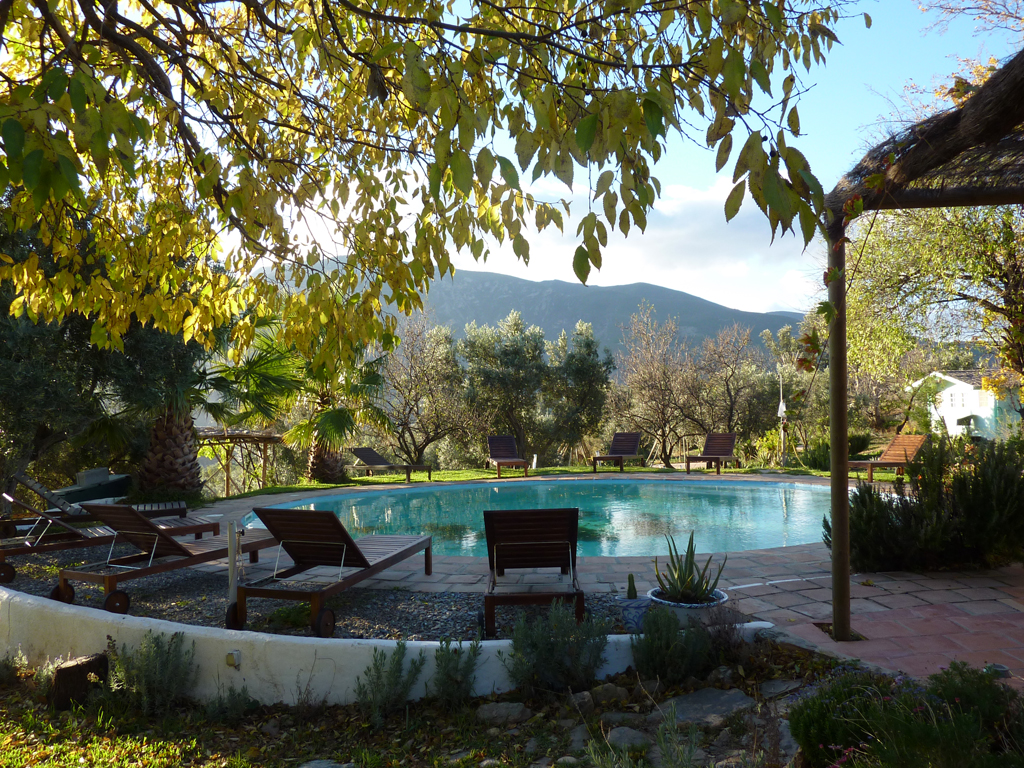
Kaliyoga
Near Órgiva, Andalucía, Spain · Mid-range to luxury · 6 nights
Kaliyoga’s published approach welcomes beginners through advanced practitioners and describes clear instruction in English, with time in and between postures. Its six-night programmes can suit someone who wants a yoga holiday with a defined class rhythm. The FAQ lists two sessions on four days and one on Wednesday and Sunday. Check the exact week, teacher and activities when you book.
Vegetarian meals and yoga equipment are provided. Room choices include private en-suite accommodation and lower-cost alternatives with different bathroom arrangements. The Nest has a private outside eco toilet, while teepees use nearby shared facilities. Flights, airport transfers and treatments are extra. Ask about the final track and hill on arrival, particularly if you need help with luggage or a level route.
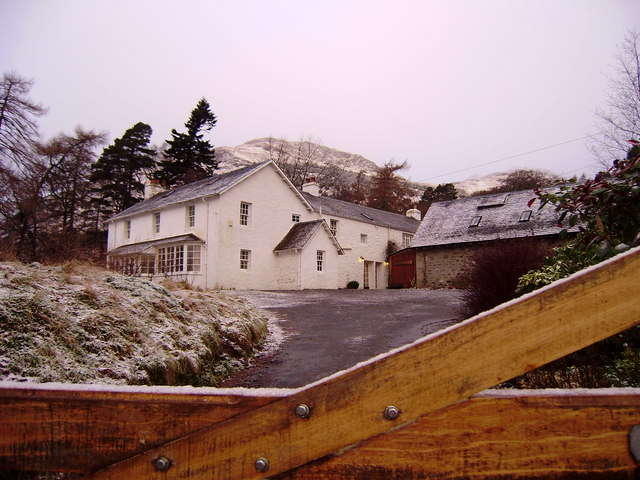
Dhanakosa Buddhist Retreat Centre
Balquhidder, Scotland · Donation-supported shared stay · 5 or 7 nights in the named examples
Dhanakosa’s introductory Yoga, Embodied Movement and Meditation retreats explicitly welcome people with no previous experience. The 4–11 December 2026 programme lasts seven nights, and 15–20 January 2027 is a five-night option. They combine yoga and meditation within a Buddhist retreat. Expect early rising, talks, chanting and periods of silence as part of the week.
The two named events list shared accommodation with no single rooms. Vegan meals and equipment are supplied, and guests take part in communal tasks. Discuss access between your room and the practice space directly. The booking fee is separate from the suggested donation towards the retreat. Read the dana contribution model before comparing it with a fixed-price yoga weekend.
Suryalila Retreat Centre
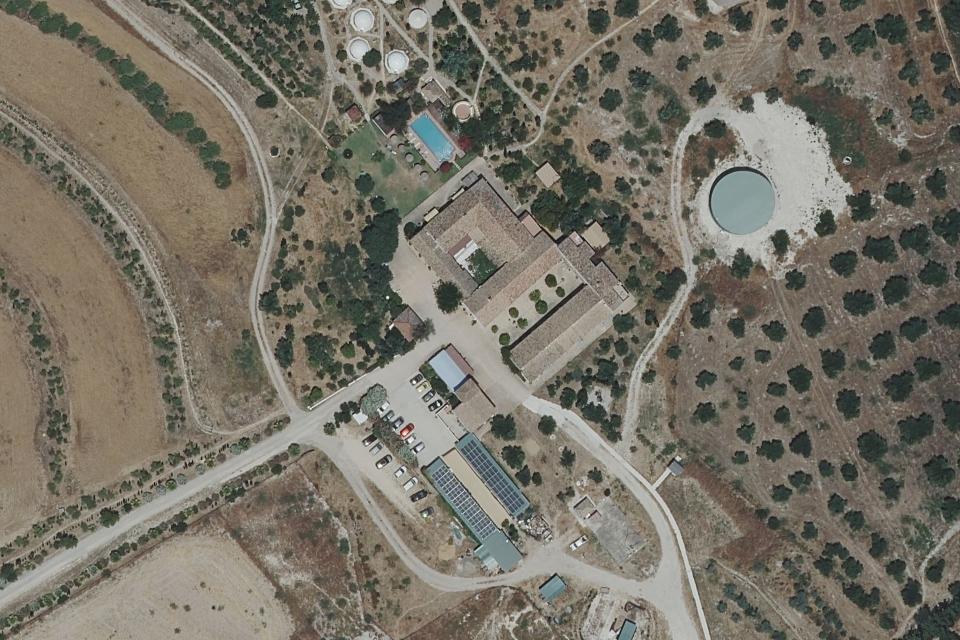
Near Villamartín, Andalucía, Spain · Mid-range to luxury, by room · 5 nights for Hiking and Yoga
Suryalila’s own Hiking and Yoga programme says its yoga welcomes beginners. The five-night 13–18 March 2027 departure combines a dynamic morning practice with gentler work and activities such as meditation and pranayama. Some walking routes are longer and more challenging. Ask about the route choices, optional sessions and the plan for guests who want to rest at the centre.
The room range includes private en-suite rooms, shared bathrooms, dormitories, yurts and tents. Three vegetarian buffet meals and yoga props are included, while transfers cost extra. Dietary options depend on what the shared kitchen can accommodate. Visiting teachers run other programmes at Suryalila, so use the specific retreat’s timetable and inclusions.
Phool Chatti Yoga Ashram
Near Rishikesh, India · Budget to mid-range, by room · 7 days and 6 nights
Phool Chatti advertises its residential yoga programme for beginners and intermediates. Morning Hatha yoga builds the practice, while the later Ashtanga session is described as modified. The course introduces several aspects of yoga, with meditation, chanting, discussion and communal work. The schedule starts with a 6am bell and ends around 9pm, with a free period in the afternoon.
The advertised seven-day course is six nights. Single and double rooms have attached bathrooms, with air conditioning in selected categories. Three vegetarian meals, mats, cushions and bedding are included. Guests bring their own towels and follow the ashram’s clothing and silence rules. Read the course details and withdrawal terms, including the policy on leaving early.
Map of the four retreat examples
Compare the locations of the four examples. Select a pin for its article section, official website and Google Maps location.
Pins show the listed venue location. Confirm the correct entrance and arrival arrangements directly with the retreat.
Pack around what the venue already provides
Ask about mats, blocks, straps, bolsters, blankets and towels before adding them to your luggage. Borrowing the supplied equipment can help keep your bag manageable. You may prefer your own mat, but check its size and cushioning before relying on it for a whole week.
Bring clothes you already find comfortable for moving, sitting and resting. Include a layer for quieter sessions and footwear for the advertised walks. Add swimwear when a pool or sea swimming is part of your plan, and a reusable water bottle if there is a suitable place to refill it.
Our yoga retreat packing list can help you check for gaps. Start with the belongings you already use, then follow the joining instructions for your particular retreat.
Eight questions to send before you pay
Use the answers to compare the same things across your shortlist. A clear reply about the actual week is more useful than a general promise that every guest is welcome.
- Who will teach on my dates, and how do they support someone with my experience?
- What yoga styles are taught, how long is each class and which sessions are optional?
- How many people will join, and can I ask questions or get help between classes?
- Which room and bathroom are included, and what are the paths to class and meals like?
- What meals and dietary arrangements does the package include?
- What equipment is supplied, and what do the joining instructions ask me to bring?
- What is the full price for my room and travel arrangements, including any extras?
- What happens if I cancel, the organiser cancels or the teacher or venue changes?
Optional essentials for your first retreat
Advertisement / affiliate links. As an Amazon Associate, Review My Retreat earns from qualifying purchases.

Manduka eKO SuperLite travel mat
This natural-rubber mat folds into a bag and can sit over a studio mat. At 1.5 mm thick it offers limited cushioning by itself. Manduka advises people with latex sensitivity to choose another mat.
View on Amazon (Ad)
Nalgene Sustain wide-mouth bottle
A refillable bottle with room for about 946 ml of drinking water. The wide opening is easy to fill at a sink before heading out for a walk. Use a safe drinking-water supply for refills.
View on Amazon (Ad)
About Rob Horsfall
Rob has been interested in spirituality since visiting India in 2002. After completing his philosophy studies at university, he continued studying the Buddha's teachings in Sri Lanka. He returned in 2011 and now spends his time developing Review My Retreat, studying acupuncture and integrating insights from different spiritual traditions into everyday life.
You must be logged in to post a comment.