

Last reviewed: July 2026
For generations, spiritual adventurers, lost souls, and intrepid psychonauts have ventured to secluded retreat centres and distant Amazonian huts, seeking to immerse themselves in the transformative, mind-expanding world of psychedelic exploration through the consumption of the entheogenic elixir known as ayahuasca, rich in the psychoactive compound DMT. Rooted in tradition, this sacred concoction is crafted from two potent plants: Banisteriopsis caapi, a climbing vine, and Psychotria Viridis or Chacruna, a perennial shrub abundant in DMT. The caapi vine, an essential MAO inhibitor, ensures that the DMT remains intact and active within the stomach, producing its profound psychoactive effects. This comprehensive guide presents everything you need about Ayahuasca and a curated selection of ayahuasca retreat options throughout Europe.
Ayahuasca has moved from the fringes of the Amazon to a genuine European industry. There are now dozens of centres across Spain, Portugal and the Netherlands offering ceremonies in converted farmhouses, boutique hotels and hillside fincas, and a corresponding flood of guides telling you which are “the best.”
Most of those guides have a problem: they were written once and never checked again. Centres close. Facilitators leave. Prices double. Some retreats quietly stop serving ayahuasca altogether and carry on being listed as ayahuasca retreats for years afterwards.
This guide is different in one specific way. Every centre listed below has been checked against its own live website, and where a listing no longer reflects reality we have said so or removed it. We have also rewritten the legal section from scratch, because the situation in Spain changed in 2025 and almost every guide online still describes the old position.
Ayahuasca, the powerful and enigmatic plant medicine, has recently been making waves in the Western world, with ayahuasca retreats sprouting up like wildflowers across Europe. Some claim that a single night of consuming this brew is equivalent to a decade of therapy, leaving them forever transformed. However, for others, the experience can be disorienting and traumatic. The outcome of this profound inner journey hinges on various factors, such as one’s mental constitution, mindset on the day, preparation, ceremonial setting, and the expertise of the facilitators and shamans. One thing is sure: ayahuasca is a potent substance that can cause profound and life-altering effects and should never be taken lightly. To help you make an informed decision about where and with whom you partake in this powerful experience, here’s a comprehensive guide to all the crucial aspects of consuming ayahuasca.
Tim Ferris said that when you decide who you do ayahuasca with, “you would treat it like you are choosing a neurosurgeon to excise a tumour from your brain.”
Therefore, like choosing the right teacher for a yoga retreat, it is prudent to learn more about who is holding the space during an Ayahuasca ceremony, especially if you want to experience ayahuasca for the first time.
What is the Ayahuasca Plant?
This entheogen has long been considered a sacred plant, sometimes called Mother Ayahuasca. It is used in religious ceremonies and healing practices in Brazil, Peru, Columbia and Ecuador. It is becoming an increasingly popular alternative to magic mushrooms as a natural way to treat anxiety, depression, and addictions, heal past trauma and treat post-traumatic stress disorder in spiritual retreat contexts.
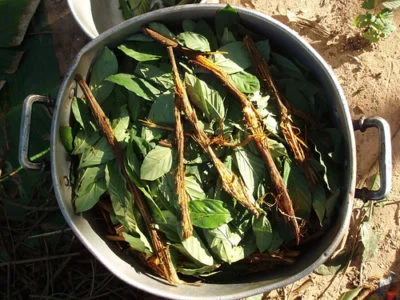
Ayahuasca is a psychedelic brew made from a blend of a vine found in the Amazon rainforest called ayahuasca (Banisteriopsis caapi) and a shrub called chacruna (Psychotria Viridis), together they are cooked up to make the ayahuasca brew. It contains DMT (dimethyltryptamine) that can induce a hallucinogenic, deeply spiritual experience.
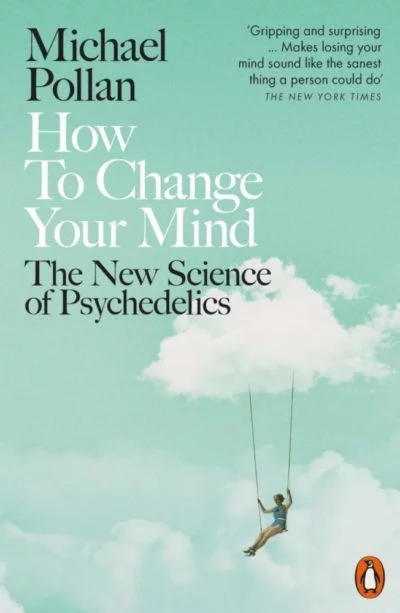
The author, Michael Pollan states in his book ‘How to Change Your Mind: What the New Science of Psychedelics Teaches Us About Consciousness, Dying, Addiction, Depression, and Transcendence.
“You go deep enough or far out enough in consciousness and you will bump into the sacred. It’s not something we generate; it’s something out there waiting to be discovered. And this reliably happens to nonbelievers as well as believers.”
How we assess retreats?
We are a retreat directory, not a clinic, and we want to be straight about what that means.
What we do: we verify that each centre is currently operating, that its stated offering matches what it actually runs, and that pricing and formats are current. We look for the things that correlate with safety — medical screening, named facilitators with checkable backgrounds, a defined preparation process, and integration support that extends past the last day of the retreat. We read reviews across independent platforms rather than relying on testimonials selected by the centre.
What we don’t do: we have not attended every ceremony at every centre. We cannot vouch for the quality of anyone’s brew, the experience of anyone’s shaman, or the outcome of your journey. Some centres on this page pay to be listed on Review My Retreat; that does not affect whether they appear in this guide or what we say about them.
What we’d ask of you: treat this as a starting point for your own research, not a substitute for it. The single most useful thing you can do is speak to a centre directly and to people who have been.
The legal picture in Europe, as of 2026
This section matters more than any listing on this page. Get it wrong and the consequences are not spiritual.
Ayahuasca contains DMT, which is a controlled substance almost everywhere in Europe under the 1971 UN Convention on Psychotropic Substances. The convention controls the isolated chemical, not the plants — and that gap is where the entire European ayahuasca scene lives. It is a gap, not a green light.
Spain — legally undefined, not legal
Spain is where most European ayahuasca activity happens, and the position is genuinely unsettled.
In 2025 the High Court of Justice of Madrid upheld an acquittal in an ayahuasca case, finding that the brew as a plant preparation is not itself listed as a controlled substance, and that possession without intent to distribute is not automatically criminal. That is a meaningful ruling and it has been widely, and somewhat over-enthusiastically, reported.
The harm-reduction organisation ICEERS, which has done more legal work on this than anyone in Europe, is careful about what it actually means: the decision binds only within Madrid, it does not legalise or regulate ceremonial use anywhere, and seizures and police interventions have continued elsewhere in Spain. Their framing is worth internalising — ayahuasca in Spain occupies a legally undefined space rather than a legal one.
In practice, most Spanish centres operate as private, non-profit cultural or religious associations, serving members rather than the public. Several also make a specific legal argument: that Banisteriopsis caapi, the vine, is not a prohibited plant under Spanish law. Importation remains the sharpest edge of the problem — no entity in Spain has been granted a clear legal right to import the brew.
What this means for you: you are relying on prosecutorial discretion and regional case law, not on a settled legal framework.
Portugal — decriminalised, which is not the same thing
Portugal decriminalised personal possession of all drugs in 2001. Possession of a small personal quantity is an administrative matter rather than a criminal one. Production, importation and distribution remain criminal offences, and the status of organised ceremonies sits in the same grey zone as Spain. Brazilian ayahuasca churches operating in Portugal have faced recognition difficulties.
Decriminalisation of possession is a meaningfully better position than criminalisation. It is not legalisation, and it does not create a regulated framework for retreats.
The Netherlands — illegal since 2019, with a legal workaround
This is the one most guides get wrong. Following a Supreme Court decision in October 2019, ayahuasca is illegal in the Netherlands. The religious-use exemption that Santo Daime groups had relied on since 2001 no longer holds.
Dutch centres responded in one of two ways. Some stopped serving ayahuasca entirely and moved to psilocybin truffles, which are legally sold in the Netherlands. Others developed brews that combine the ayahuasca vine — legal, and containing no DMT — with legal psilocybin truffles, sometimes marketed as “psilohuasca” or a “Dutch brew.”
These are not traditional ayahuasca. They are a different, legal preparation with a comparable MAOI-plus-tryptamine pharmacology. Whether that matters to you is a personal question, but you should know which one you are signing up for.
The UK and Ireland — illegal
In the UK, DMT is a Class A drug. Possession, production and supply are all offences, with no exemption for traditional, religious or therapeutic use. Ireland’s position is the same in law, though enforcement has historically been lighter.
Ceremonies do happen in both countries. This guide does not list them. If you are in the UK or Ireland and want to work with ayahuasca lawfully, the realistic options are to travel to Spain or Portugal, to attend a legal Dutch alternative, or to go to South America.
Elsewhere in Europe
Germany, France, Sweden, Norway, Belgium and Romania all treat ayahuasca as illegal. Italy’s position is ambiguous rather than permissive. Do not assume that a country with relaxed cannabis policy has a relaxed position on DMT — they are usually unrelated.
Laws change, and this section will date. For a current country-by-country breakdown, ICEERS maintains the most reliable legal resource in this field.
Ayahuasca FAQs
How do you prepare for an Ayahuasca Journey?
With ayahuasca is to take time to prepare for the ceremony beforehand. Below is some information about how to prepare and what to expect, but the books listed in this section are recommended for more extensive preparation. For the month before your retreat, take care of your mind, body and spirit in every way by:
- Get out into nature as much as you can and get plenty of physical exercises
- Make sleep a priority; ayahuasca sessions usually go all night.
- Drink plenty of water and eat as clean as possible
- Develop a meditation or yoga practice to help you look inwards
You should also avoid cannabis for 24-48 hours before the ceremony, if possible. If you are taking prescription medications, please inform the retreat and ask for guidance, especially anti-depressants. Taking Ayahuasca with anti-depressants can lead to Serotonin Syndrome and can be fatal. See below:
Ayahuasca is not gentle, and it is not for everyone. The following are not disclaimers to skim past.
Medication interactions can be fatal
The MAO inhibitors in the caapi vine interact dangerously with several drug classes. The most serious risk is serotonin syndrome, which can be life-threatening.
Of particular concern:
- SSRIs and SNRIs — the most commonly prescribed antidepressants
- MAOI antidepressants
- Tricyclic antidepressants
- Lithium — associated with seizures in this context and treated as an absolute contraindication by most reputable centres
- Tramadol, dextromethorphan and some other analgesics
- Triptans for migraine
- Certain stimulants, including some ADHD medications
- St John’s Wort and several other over-the-counter supplements
Tapering off psychiatric medication takes weeks to months and must be done under medical supervision. Never stop or reduce a prescription because a retreat centre told you to. A centre that tells you to come off your antidepressants without involving your doctor is telling you something that should end your interest in that centre.
Physical and psychiatric contraindications
Ayahuasca raises heart rate and blood pressure. Cardiovascular disease, uncontrolled hypertension and a history of stroke are standard exclusions. So are pregnancy, liver disease and epilepsy.
On the psychiatric side, a personal or family history of schizophrenia, bipolar disorder or psychosis is an exclusion at any responsible centre — psychedelics can precipitate or worsen these conditions. Active suicidality and acute crisis are also exclusions, and this is important to say plainly: a retreat is not an intervention for someone in immediate danger. If you are in crisis, the right first step is professional support at home.
What proper screening looks like
A centre that asks you three questions on a booking form is not screening you. Look for a detailed medical and psychiatric questionnaire, a follow-up conversation with someone qualified when the form flags something, explicit written contraindications published on the site, and a willingness to turn people away.
The best centres in Europe reject applicants. That is a feature.
What is an Ayahuasca diet?
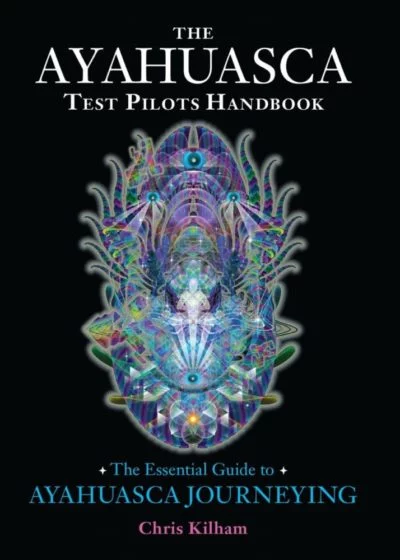
Most centres ask you to follow a preparatory diet — the dieta — for anywhere from three days to a month beforehand. Recommendations vary between traditions and centres, and yours should come from the people running your ceremony rather than from an article, but the common ground is:
- Cut alcohol, recreational drugs and cannabis
- Cut caffeine, refined sugar and processed food
- Reduce or eliminate red meat and pork
- Avoid aged, fermented and cured foods — cheese, soy sauce, cured meats, yeast extracts — which are high in tyramine and interact with MAOIs
- Abstain from sexual activity for a period before the ceremony, in most traditions
Beyond the food, the preparation that participants most often say mattered was the unglamorous kind: sleeping properly, spending time outdoors, and getting clear on why you are going. Ceremonies typically run through the night, and arriving exhausted makes a hard experience harder.
Some form of contemplative practice — meditation, breathwork, journaling — is worth establishing beforehand. It gives you something to reach for during the difficult stretches and something to build on afterwards.
What happens at an Ayahuasca ceremony?
Formats differ, but a typical night follows a recognisable shape.
Ceremonies usually begin in the evening, in a dedicated space, often with participants on mats or mattresses arranged around the room. Many centres open with a rapé (tobacco snuff) or tobacco ceremony to help people settle and ground.
The brew is served in small cups, one participant at a time. It tastes strongly bitter and earthy, and many people find swallowing it the hardest part of the night. Onset is usually 20 to 60 minutes.
Physical effects come first — warmth, a rising heart rate, sometimes trembling or a heaviness in the limbs. Visual effects often begin as geometric patterns behind closed eyes and can develop into far more elaborate imagery. Thought becomes fluid and associative. Many participants describe reliving memories, encountering emotional material they had avoided, or experiencing a sense of contact with something outside themselves.
Purging is normal and expected. Vomiting, diarrhoea, sweating, shaking and crying are all common, and most traditions regard purging as part of the process rather than a side effect of it. Every centre provides buckets. Nobody will be embarrassed except possibly you, and that passes.
Facilitators sing icaros — traditional songs used to guide the ceremony’s direction and intensity. In lineage-based ceremonies these are central rather than decorative. Facilitators move around the room, work with individuals, and are available if someone becomes distressed.
Effects generally last four to six hours. Many centres offer a second cup partway through for those who want it. Most ceremonies end with participants resting until morning, followed by a sharing circle.
Retreats commonly run two to four ceremonies across several days, often with other plant medicines on intervening days — San Pedro, Kambo, rapé — usually optional and sometimes at extra cost.

The facilitator question
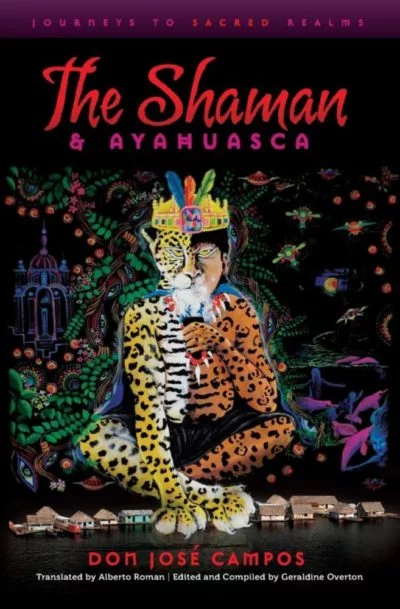
by Don Jose Campos
The single largest variable in your experience is who is holding the room.
The word “shaman” is used loosely in Europe and carries no accreditation. Some centres bring Shipibo, Huni Kuin, Yawanawá, Kichwa or Muisca practitioners from South America who have trained for decades within a lineage. Others are led by Western facilitators with genuine experience and no lineage claim — and some of those are excellent, and notably honest about what they are and are not. A few centres claim traditional authority they have not earned.
Worth establishing before you book:
- Who specifically is leading your ceremony, by name?
- What lineage or tradition, and how long have they trained in it?
- How many people will be in the room, and how many facilitators?
- Is there anyone present with clinical mental health training?
- What is the plan if someone has a psychiatric emergency? What is the distance to the nearest hospital?
- Is anyone trained in first aid or emergency response?
A ratio of roughly one facilitator to every three or four participants is a reasonable benchmark for group ceremonies. Rooms of forty people with two facilitators exist, and they are cheaper for a reason.
The advice most frequently repeated by people who have done this many times is that choosing a facilitator deserves the same seriousness you would apply to choosing a surgeon.
What are the dangers of taking Ayahuasca Tea?
For many individuals, the ayahuasca journey is a transformative and illuminating experience, providing an opportunity to heal from past traumas and embark on fresh paths. However, reactions to this powerful substance can differ significantly from one person to another. One common yet unpleasant side effect is intense vomiting, often accompanied by diarrhoea. Adhering to a specific ayahuasca diet before the ceremony can substantially alleviate these symptoms. It is crucial to know that ayahuasca may interact with other medications, particularly antidepressants. Consequently, seeking professional guidance before participating in a ceremony and maintaining open communication with the facilitators is essential. Additionally, those with heart conditions are advised to abstain from attending such ceremonies.
How do I integrate my Psychedelic Experiences from the Retreat?
Almost everyone underestimates this. The ceremony is not the work; it is the material for the work.
The weeks after a retreat can be destabilising. People commonly describe feeling raw, unusually open, and disoriented on returning to ordinary life — and the insights that felt overwhelming and obvious at 3am can be surprisingly hard to hold onto by the following Tuesday.
Good integration support looks like scheduled follow-up calls rather than a vague offer to stay in touch, access to someone with counselling or psychotherapy training, a participant group for peer contact, and structure over several weeks rather than a single call.
Independently of what your centre offers, it is worth lining up your own support: an integration-trained therapist, a regular practice, and at least one person in your life you can talk to honestly about it. Journaling immediately afterwards, before the detail fades, is the cheapest and most reliably useful thing you can d
Navigating the transition back to everyday life after a transformative experience can be daunting. Embracing practices such as yoga, meditation, and mindfulness, along with immersing yourself in nature, can facilitate the integration of newfound insights. Conversation with fellow retreat attendees about your experiences can be a therapeutic outlet. To gain a deeper understanding of your journey within the broader context of your life, seeking professional guidance can be invaluable. We have teamed up with TAOI Wellness, where Sedef can help you with any challenges these powerful experiences can bring up whilst on retreat.
Help Choosing an Ayahuasca Retreat?
Choosing an Ayahuasca retreat can be challenging, especially if this is your first ayahuasca experience or you are new to plant medicine. It is essential to take some time to research different retreat centres and their practices before making your decision. Look for a retreat that offers a safe and supportive environment, experienced practitioners, and a positive track record. Consider the length of the retreat, the number of ceremonies offered, and the type of accommodation provided. Also, pay attention to the location and the accessibility of the retreat. You may also want to choose a retreat that aligns with your values and intentions. Finally, trust your intuition when selecting an Ayahuasca retreat. You should feel comfortable and reassured by the staff and the centre’s overall energy. A well-planned retreat can profoundly impact your life, and the key to a successful experience is picking the right one for you.
An Ayahuasca retreat in Europe provides the perfect opportunity to connect with your spiritual side, awaken your intuition, heal from trauma and start living a more meaningful life on your terms. Whichever of these retreats you choose, do some research before to ensure you are in the hands of trusted experts who will help you make the most of your spiritual deep dive.
Ayahuasca vs San Pedro: which is right for you?
Both are Amazonian and Andean plant medicines with long ceremonial histories, and they are frequently confused. They are quite different experiences.
San Pedro (Huachuma) is typically taken during the day and lasts eight to twelve hours. Participants describe it as warm, grounding and heart-opening, often taken partly outdoors, with a strong emphasis on connection to nature and to other people. The visionary component is usually milder. It is a common recommendation for people approaching plant medicine for the first time, or for anyone whose intention is oriented towards self-acceptance and connection rather than confrontation.
Ayahuasca is taken at night and lasts four to six hours. It is more visionary, more physically demanding, and considerably more likely to be difficult. Its reputation rests on the depth of the psychological material it surfaces — which is also why it is not a good starting point for everyone.
Neither is a lesser version of the other. If you are unsure, several centres on this page work with both and will discuss which suits your situation. The Lighthouse Retreats in Portugal specialise in San Pedro specifically.
Disclaimer
This guide is provided for information only. Review My Retreat does not condone or encourage illegal drug use, and nothing here should be taken as encouragement to break the law in any jurisdiction.
Ayahuasca and related plant medicines carry real physical and psychological risks. This article is not medical advice and is not intended to assess, diagnose or treat any medical or mental health condition. It is not a substitute for evaluation by an appropriately qualified and licensed professional in your area, and you should consult one before deciding whether ayahuasca is appropriate for you — particularly if you take any prescribed medication or have any history of cardiac or psychiatric illness.
Review My Retreat disclaims any liability, loss, injury or damage arising from the use of the information on this website or from your decision to participate in any ceremony.
If you are currently in crisis or having thoughts of harming yourself, a retreat is not the right step. Please contact your doctor or a crisis service in your country — 112 across the EU and UK, or the international directory maintained by Befrienders Worldwide.
Upcoming Ayahuasca Retreats | Discover the Best Ayahuasca Retreat in 2026
Ayahuasca Retreats in the Netherlands / Holland
As of Sept 2019 – Ayahuasca has been made illegal in Holland – so please check with the organisers whether their retreats are in Holland or at another venue.
Acsauhaya Shamanic Retreat Center
Offering 3-day retreats and private ceremonies in a gorgeous Dutch farmhouse, you will find the therapeutic retreat you need here. The team has over 30 years of experience and an authentic Peruvian shaman to guide your traditional plant medicine ceremony.
3-Day Retreat: €1,875
Om Mij
Location: Alicante (also Netherlands and Portugal) · Price: Mid-range · Group size: Max 16 · Length: 3 and 5-day
Om Mij’s Spanish retreats run at the “Be Free” centre, a 10,000m² estate near Alicante with a ceremony room, pool, vegetable garden and ten guest rooms. Recent pricing has been around €745 for three days and €1,295 for five, making this one of the better-value established options in Spain.
The team’s emphasis is on supportive guidance, and they are frequently recommended for people working through trauma.
Innerlijke Reis
Innerlijke Reis wants to help connect you with your inner wisdom and find enlightenment through a deeply moving ayahuasca ceremony. With a team of guides who offer extra skills like a chakra foot massage, breath support or tuning fork healing, plus a network of doctors, psychologists and coaches, you know you’re in great hands.
Ayahuasca Retreat Centers in Spain
APL Shamanic Journeys
Location: Andalusia, Spain (also Peru) · Price: Luxury · Group size: ~15 · Length: 4 and 7-day
Operating since 2017, APL is among the most institutionally serious operations in Europe. Ceremonies are led by Shipibo Onanyas who travel from Peru — Maestro Pepe Vasquez, known from the documentary The Last Shaman, has over 35 years of practice, and Sani Lopez, a member of the Onanyabo ancestral healers’ council, has 28.
What distinguishes APL is the Western infrastructure wrapped around that tradition. Screening runs to a 160-question safety form with a therapist interview where needed. Preparation includes an 18-lecture pre-recorded course and detailed dieta materials. On-site support includes a clinical mental health counsellor and a trauma support specialist trained in AyaSafety by ICEERS. Integration includes a follow-up group call ten days after the retreat.
They also fund reciprocity projects in Peru, including water infrastructure in Santa Rosa and a school for young Shipibo apprentices, and contribute to academic research on ayahuasca and wellbeing.
Journey of Learning:
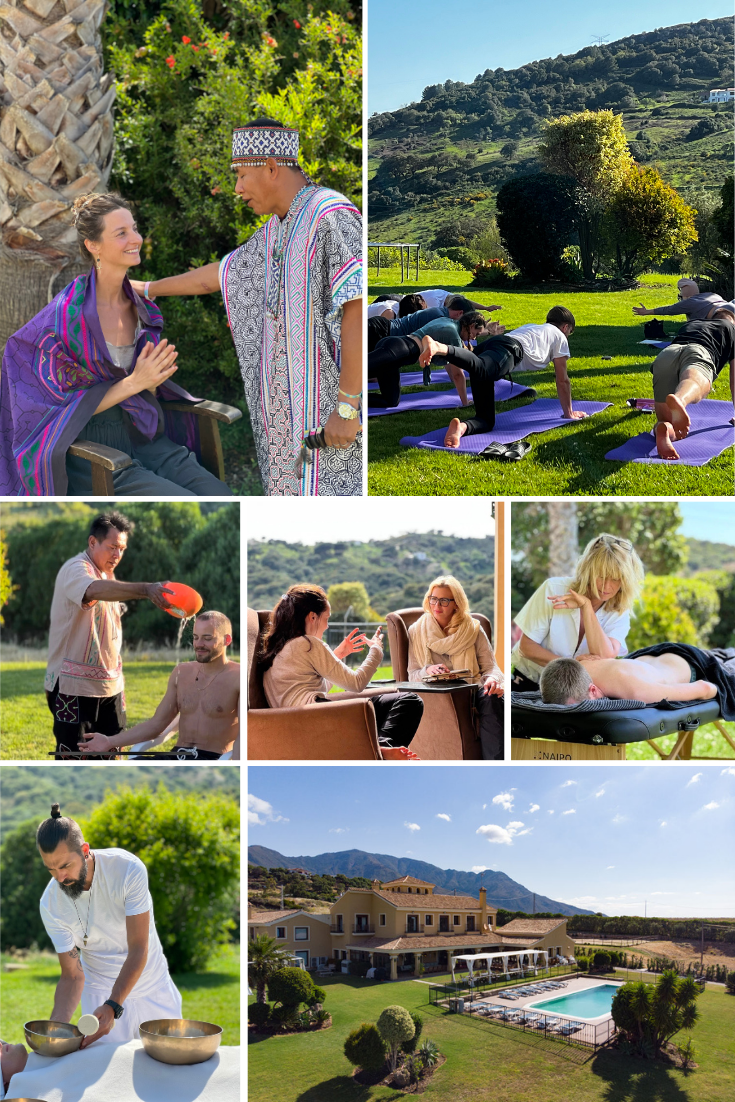
When you join APL Shamanic Journeys, you step onto a learning path. Before the retreat, participants can enrol in a pre-recorded online course to prepare for partaking in Ayahuasca ceremonies. During the retreat, APL’s master shamans will host group discussions on their traditions and unveil the secrets of Amazonian shamanism. Additionally, our integration specialist and facilitators will host group integrations after each ceremony to ensure you are well-supported on your journeys with Ayahuasca.
Modern Amenities in a Sacred Space:
At APL Shamanic Journeys, participants find a modern, serene ceremonial space with A/C, central heating, and six ensuite bathrooms. The retreat emphasizes an intimate, individualized experience with group sizes capped at 14-17, allowing direct interaction with the shaman and personalized discussions facilitated by a translator.
APL’s Vision:
APL Shamanic Journeys emerges as a gateway to holistic well-being, intertwining ancient traditions with modern comfort and insight, making it a haven for those seeking transformation and a deep bond with age-old practices.
Pachamama Shamanic Healing
A beautiful retreat centre in Mallorca, led by a friendly local Mallorcan shaman and his shaman wife from Bolivia. It is well organised with good food and integration workshops, yoga, and other activities. There is also the opportunity to try Kambo and Bufo at an additional cost while at the retreat. The only criticism is that there are too many people (40+ retreatants) for the space size. You often feel bunched together without much personal space, which keeps prices low compared to other ayahuasca retreats.
Avalon
Location: Costa Brava, near Barcelona (also Ibiza) · Price: Luxury · Group size: Max 25 · Length: 4 and 6-day
Avalon runs the most comprehensively programmed retreats in Europe, and the numbers are unusual: a typical stay includes four ayahuasca ceremonies, four rapé ceremonies, four integration workshops, a one-to-one integration session, holotropic breathwork, healing massage, yoga and meditation, ecstatic dance, food awareness workshops and airport transfers.
Ceremonies are led by practitioners from a genuinely wide range of lineages — Muisca, Kichwa, Huni Kuin, Yawanawá, Cofán, Kamëntsá and others — with guest maestros rotating through the calendar. There is a medical advisor, a doctor-led intake screening, and psychologists embedded in the integration programme.
The setting is a rustic four-star boutique hotel on a seven-hectare estate in the protected Carmany green belt, roughly ninety minutes from Barcelona. Review scores are consistently high across Google, Retreat Guru, AyaAdvisors and TripAdvisor.
Recent programmes have run from roughly €2,600 for four days. Avalon has expanded to Ibiza and also runs standalone Bufo Alvarius ceremonies.
Preparation and integration are among Avalon’s strengths. Before the retreat, they offer a one-on-one preparation video call and preparation and integration guideline documents. During the retreat, you have one individual guidance session and four integration workshops. The workshops combine diverse and creative methods, such as sharing circles, writing, and art therapy. After the retreat, there are two online integration circles to complete the experience.
There is a medical advisor, and their ceremonies are held safely. Avalon’s meals are prepared freshly by our experienced chef in an Ayahuasca-friendly manner. Transportation to and from Barcelona airport is arranged, and ceremonies are accompanied by medicine music by 6-9 experienced sacred space guardians and musicians.
Ayahuasca Marbella
Location: Andalusia · Price: Mid-range · Group size: Small · Length: 1:1 sessions and 3–4 day group retreats
Founded and run by Sophiah Aliya, who has worked in this field for over thirty years. The original offering was entirely private — one-to-one ceremonies, tailored dosing including microdoses, and the option of a tobacco ceremony beforehand to ground the body.
That remains available, and it is the right choice for people who know that a group setting would distract them or who are approaching this carefully for the first time. Since our last review Ayahuasca Marbella has also added group retreats in Andalusia, typically three or four days and combining ayahuasca with psilocybin, hikes and group activities.
Ceremonies run four to eight hours with a second cup offered partway through, followed by a sharing and integration session the next day.
Amoraleza
Location: Granada · Price: Mid-range · Length: 3 and 5-day
Amoraleza have been holding ceremonies since 2005, drawing on Brazilian spiritual traditions with live music at the centre of the work rather than as accompaniment. They are explicit about not adhering to a single lineage.
The setting is intimate and rural, with vegan, organic, gluten-free and sugar-free meals throughout. Rapé and Sananga are offered alongside ayahuasca, with Kambô, mediumship sessions, massage and integration available separately. Participants can arrive early or stay on afterwards, which is a genuinely useful option that few centres offer.
Retreats run through the summer months. They also host a five-day Women of the New Earth retreat focused on the sacred feminine.
Ayahuasca Retreats in the Canary Islands
Below is a list of retreats that offer plant medicine retreats in the Canary Islands:
Sub Conscious Retreats
Union in Arutam
Location: Tenerife · Price: Budget · Group size: 20–25 · Length: 1 and 2-day
Operating for over twelve years, Union in Arutam draws on Native American ancestral traditions and works with ayahuasca, tobacco and San Pedro. Ceremonies take place in a rural countryside house with dormitory accommodation — comfortable rather than luxurious, and priced accordingly.
Participants are assessed before joining. The emphasis is on healing, ecological responsibility and community, and the short format makes this one of the more accessible entry points in Europe.
Ayahuasca Retreats in Portugal
Vine of the Soul
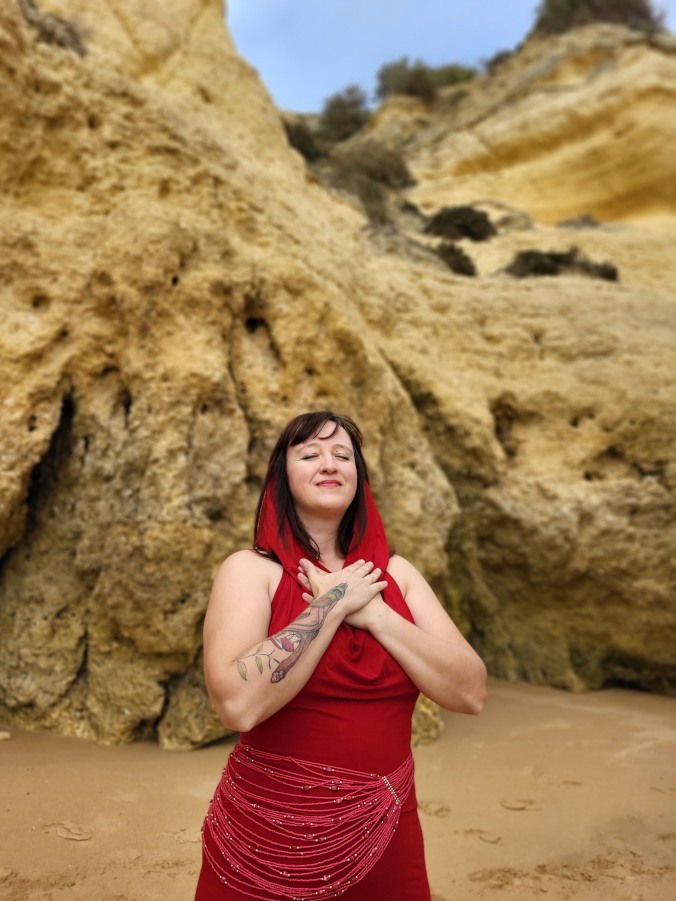
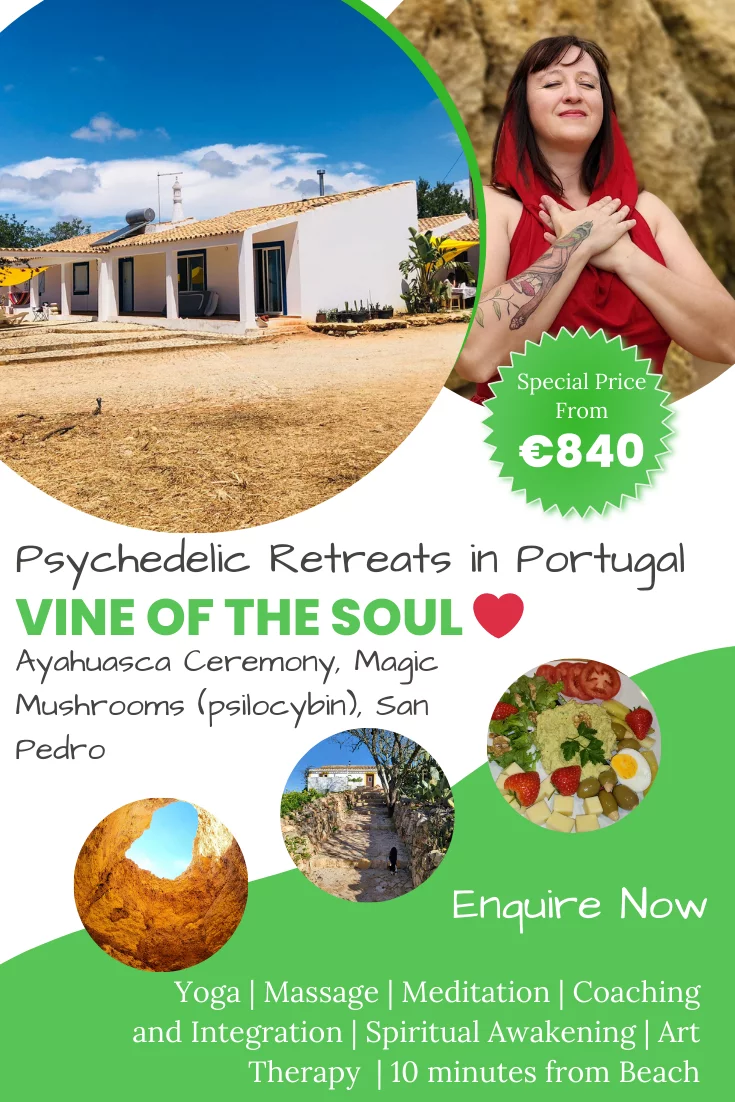
Situated within the beautiful vistas of Portugal, Vine of the Soul Retreats serve as a sanctuary for personal healing and self-discovery. These retreats provide a safe and supportive environment, offering participants diverse tools to facilitate their journey towards deep empowerment. Their approach is unique across Europe, from psychedelic-assisted therapy with magic mushrooms to yoga, meditation, hypnosis, energy healing, art therapy, and plant medicine. The facilitators at Vine of the Soul have experienced these transformative tools in their healing journeys, and their profound knowledge ensures a comfortable and meaningful transformation for participants.
While many Ayahuasca retreats are available, Vine of the Soul understands that the true journey begins once the retreat concludes. It’s the integration of teachings from these spiritual journeys into everyday life that matters most. That’s why a significant part of their offering focuses on post-retreat integration, guiding participants in grounding their experiences for long-term benefits.
Vine of the Soul also prioritises personalising the healing journey for every participant. They work closely with individuals to determine whether Ayahuasca, Magic Mushrooms (psilocybin), or San Pedro would suit them most. Combining these sacred tools is possible, always with participant safety at the forefront. Whether the choice is Magic Mushrooms, Ayahuasca, or San Pedro, Vine of the Soul Retreats ensures a secure and supportive environment for personal exploration and growth.
LightHouse Retreats
Location: Northern Portugal, ~50 minutes from Porto · Length: Varies
We are listing Lighthouse on an ayahuasca page precisely because they do not serve ayahuasca, and that deserves explaining rather than burying.
Lighthouse work with San Pedro (Huachuma), ayahuasca’s gentler Andean relative, and they are among the most established Huachuma centres in Europe. Their honesty is genuinely refreshing — the hosts, Marjike and Isher, explicitly decline the labels “shaman,” “light worker” and “medicine man,” describing their role as preparing and guiding rather than channelling.
The setting is the hills above the Douro Valley, with Isher’s flute playing a recurring feature in participants’ accounts. They have also added a small number of psilocybin retreats.
If you are drawn to plant medicine but wary of ayahuasca’s intensity, this is the listing on this page worth reading twice.
Behold Retreats
Location: Portugal (also Mexico and Costa Rica) · Price: Luxury
Behold organise retreats across several countries working with ayahuasca, psilocybin and Bufo, with a strong emphasis on preparation and coaching around the experience rather than the ceremony alone. The model is closer to a guided programme than a fixed retreat centre.
Ayahuasca Retreats Ireland & UK
Ayahuasca ceremonies are illegal in both countries. DMT is a Class A drug in the UK, and Irish law takes the same position, though enforcement there has historically been lighter and a small scene operates in the grey.
We do not list underground operators in either country. The risk is not only legal: unregulated ceremonies are exactly the setting where screening is skipped, facilitators are unaccountable, and there is no plan for a medical emergency. Several of the worst outcomes associated with ayahuasca internationally have come from precisely this kind of ceremony.
For readers in Britain and Ireland, the realistic options are a legal Dutch alternative, a Spanish or Portuguese retreat, or travel to South America. For more background on the UK situation, see our guide to ayahuasca in the UK.
Ayahuasca Retreats – Other
Ayahuasca Retreats on Review My Retreat
Look at the Ayahuasca reviews from the listings on our website
Frequently asked questions
Is ayahuasca legal in Europe?
Not straightforwardly, anywhere. Spain occupies a legally undefined space following a 2025 Madrid court ruling that does not amount to legalisation. Portugal has decriminalised personal possession but not regulated ceremonies. The Netherlands made ayahuasca illegal in 2019, and Dutch centres now use legal alternatives. The UK, Ireland, Germany, France, Sweden and Romania all prohibit it. See the legal section above for detail.
How much does an ayahuasca retreat in Europe cost?
Roughly €700 to €3,000 for a multi-day retreat, depending on group size, accommodation, duration and how much integration support is included. Budget options with large groups start around €700–€1,000. Mid-range centres with small groups run €1,200–€2,000. Luxury retreats with extensive programming and visiting maestros run €2,500 and up. Private one-to-one retreats are typically €2,000–€3,500.
Can I take ayahuasca if I’m on antidepressants?
Not without medically supervised tapering, and in some cases not at all. The MAOIs in ayahuasca interact with SSRIs, SNRIs, tricyclics and lithium, and the interaction can cause serotonin syndrome, which can be fatal. Talk to your prescribing doctor first. Never come off medication on the advice of a retreat centre.
Will I definitely vomit?
Probably, and it is regarded as part of the process rather than a complication. Following the preparatory diet properly reduces its severity. Diarrhoea, sweating, shaking and crying are also common. Every centre is equipped for this and nobody there will find it remarkable.
How many ceremonies should I do?
Most European retreats include two to four across three to six days. One is enough to know whether this is for you. Beyond four in a short period, returns tend to diminish and integration capacity becomes the limiting factor. More is not better.
What if I have a bad experience?
Difficult ceremonies are common and are not the same as harmful ones — a great deal of what people describe as valuable came out of nights they would not call pleasant. That said, genuinely harmful outcomes do happen, and they correlate strongly with poor screening, inadequate facilitation, large unsupervised groups and no integration support. This is the entire reason to choose carefully.
Do I need to speak Spanish or Portuguese?
No. All centres listed here operate in English, and those working with South American maestros provide translation.
How far in advance should I book?
Two to four months for popular centres, longer for retreats featuring visiting maestros, which frequently sell out. Screening also takes time, and reputable centres will not rush it.
You must be logged in to post a comment.