

The practical guide 2026–2027 update
Anxiety retreats in the UK.
Choose the support you need.
A practical guide to mindfulness breaks, private programmes and the questions to ask before you commit.

About this guide: Review My Retreat is a directory and enquiry service. Some retreat providers pay us for extra marketing. Guests arrange stays and payments directly with providers. A listing or promotion is not a clinical endorsement.
A retreat can create time away from daily demands, with regular meals, rest, movement or a guided mindfulness programme. That can be appealing when life feels difficult. The important question is whether the support offered matches your present needs.
“Anxiety retreat” describes very different services. A meditation centre, a personal-development group and a residential clinical programme should not be treated as equivalent. The five profiles below explain the advertised support and the distinctions that matter when choosing a service.
Start here
If anxiety is disrupting daily life, begin with a GP or an appropriate mental-health service. A retreat may be a wellbeing choice alongside care, but a short stay cannot promise a cure. Discuss suitability before booking, especially for intensive silence, emotional group work or an unfamiliar therapeutic approach. If you cannot keep yourself safe, seek immediate help: see the NHS urgent mental-health guidance.
At a glance
Compare the options.
On smaller screens, scroll across the table to see every column.
| Option | Published format | Location | The important distinction |
|---|---|---|---|
| Sharpham Trust | Mindfulness and nature retreats | South Devon | Non-clinical; published mental-health suitability process |
| The Arrigo Programme | Bespoke individual residential programme | Somerset | Ask for the named practitioners and exact scope of care |
| Path of Love | Seven-day personal-development group | UK and international venues | Intensive process with screening; not routine anxiety treatment |
| Anxiety Recovery Retreats | Linden Method residential offer | Gloucestershire is advertised | Dates and clinical claims require particular verification |
| THE BALANCE | Private residential treatment advertised | Mallorca and Zurich | International residential service; London is not a residential rehab venue |
Make it practical
A format that fits your life.

Start with the level of support.
A timetable can look reassuring without telling you who is responsible for your care. Establish whether the programme offers rest, education, coaching or assessed therapy.

Ask about the practices.
Long periods of silence, meditation and emotional disclosure can be demanding. Ask about breaks, alternatives and how the team responds when someone is distressed.
The options
Five providers, different kinds of support.
Inclusion explains what each provider currently advertises. It is not a recommendation for treatment or independent verification of every practitioner. Ask for the current location, programme and terms directly.
The Sharpham Trust
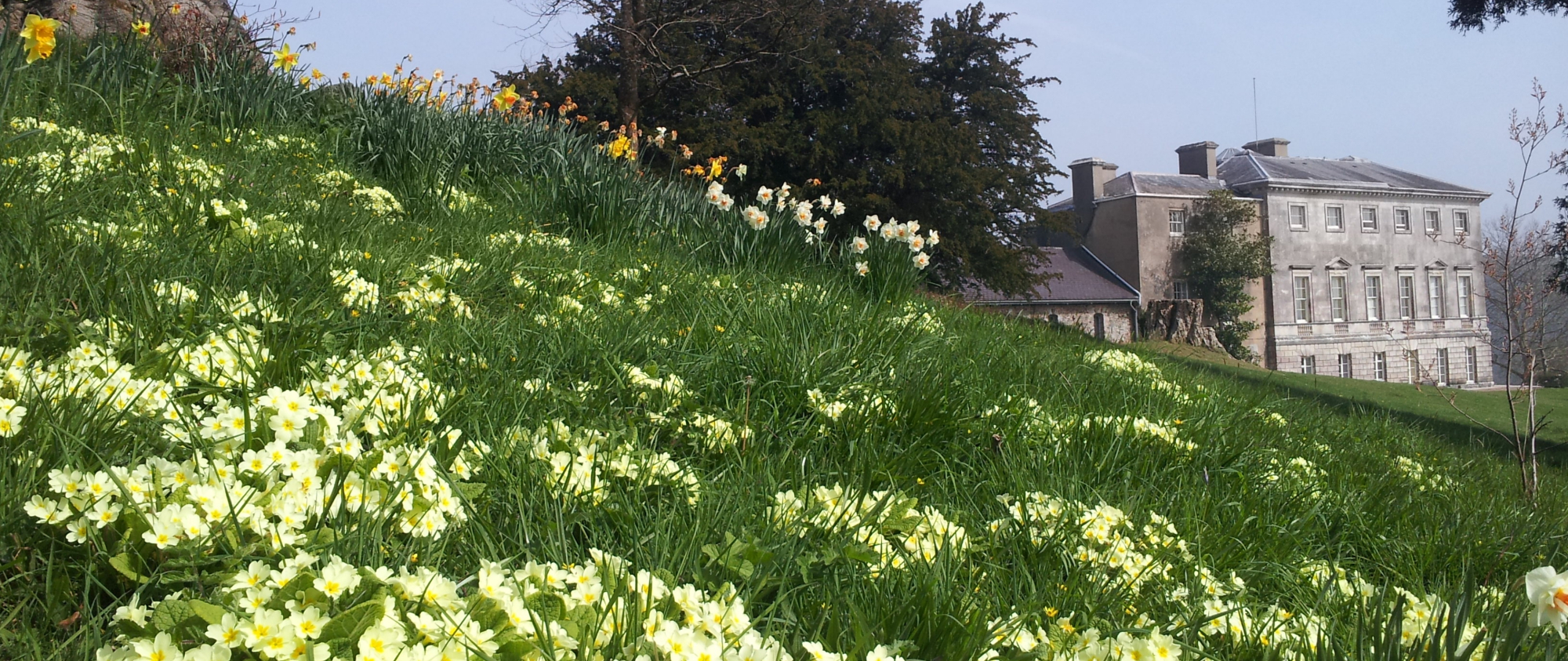
South Devon · non-clinical retreatsSharpham offers beginner and themed mindfulness retreats in a range of settings on its Devon estate. The House, Coach House, Barn and woodland programmes have different rhythms, facilities and experience requirements. Its own suitability guidance says it cannot provide medical, nursing or therapeutic care.
Before you choose: Read its mental-health booking guidance before choosing a programme. It asks guests to be reasonably stable and able to join the schedule; high distress or intensive support needs may make another service more appropriate.
The Arrigo Programme
Private residential setting · SomersetThe current personal-retreat page describes bespoke individual residential stays in Somerset, curated by Fiona Arrigo with a team of practitioners. This differs from a fixed group holiday: the particular proposal, staff and support need to be established in a direct consultation.
Before you choose: Request the written care plan, named practitioners, professional registrations, overnight arrangements and limits of the service. A multidisciplinary description does not by itself verify clinical suitability for an anxiety disorder.
Path of Love
Seven-day process · UK and international locationsPath Retreats advertises a seven-day group process focused on personal and spiritual development. Its published application process includes a health questionnaire and an interview. The retreat calendar lists UK events as well as other countries; confirm the actual venue and event language.
Before you choose: The provider publishes restrictions concerning psychiatric treatment and says a doctor’s clearance may be required. Read its FAQ and discuss suitability with your clinician. An emotionally intensive group process is not interchangeable with CBT or individual clinical care.
Anxiety Recovery Retreats / The Linden Method
Residential programme advertised at Puckrup Hall, GloucestershireThe provider currently advertises a four-day residential programme at Puckrup Hall alongside online learning and coaching. The page contains both a sold-out notice and older references to forthcoming 2026 dates, so it does not establish an available place.
Before you choose: The advertised Linden Method should not be confused with CBT. Its claims of permanent elimination and guideline compliance are provider claims, not proof of NHS endorsement or a guaranteed result. Seek independent clinical advice and verify named practitioner credentials before considering it.
THE BALANCE
Residential programmes in Mallorca and ZurichTHE BALANCE describes private residential mental-health and addiction treatment in Mallorca and Zurich. Its current location page explicitly distinguishes London support from a residential rehab location. It therefore does not belong in a list of UK residential anxiety retreats without this qualification.
Before you choose: If exploring care abroad, verify local licensing, the responsible clinicians, assessment, total costs, travel suitability and how follow-up connects with your existing care. Privacy and luxury facilities do not establish treatment quality.
When professional care comes first.
Occasional anxiety and a diagnosed anxiety disorder are different. If worry, panic or physical symptoms are affecting your work, relationships or ability to manage everyday life, ask for an assessment. Symptoms can overlap with other health problems.
The NHS guide to generalised anxiety disorder describes established options, including talking therapy, medication and specialist care when appropriate. NICE guidance emphasises assessment and trained, supervised practitioners for psychological interventions. A retreat’s use of words such as “therapy”, “science-based” or “holistic” does not demonstrate that it provides that care.
In England, adults can often refer themselves to NHS Talking Therapies without a GP referral; eligibility and arrangements vary. Elsewhere in the UK, ask your GP or local health service about the appropriate route. See the NHS explanation of talking therapies.
If you cannot keep yourself safe, or someone is in immediate danger, seek emergency help now. The NHS urgent mental-health help page explains the available routes. A retreat enquiry or booking form is not monitored as an emergency service.
What to ask before you book.
The service and the people
- Is this a wellbeing programme, personal development or clinical care? What cannot it support?
- Who delivers each activity? Ask for names, qualifications and the relevant professional registration details.
- What screening happens before payment, and what happens if the programme is unsuitable?
- Who is available overnight? What is the emergency plan and nearest appropriate medical service?
The daily experience
Ask for a timetable showing the length of meditation sessions, silence, group work and free time. Check group size, confidentiality, accessibility, room sharing and food requirements. Ask which activities can be declined or adapted and how the staff respond if you need a quieter pace.
The complete cost
Compare accommodation, meals, individual sessions, travel, transfers, optional activities, taxes and follow-up. Obtain cancellation, postponement and early-departure terms in writing. Do not assume a wellbeing holiday is covered by medical insurance, or that a clinical programme is covered without pre-authorisation.
Prepare gently, and plan for home.
If you are receiving care, discuss the proposed programme with the professional who knows your situation. Share necessary health information with the provider through its confidential screening process, rather than waiting until you arrive.
Plan travel you can manage, bring comfortable clothing and follow your existing treatment arrangements. A retreat coach should not direct changes to prescribed medication. Ask the clinician responsible for it about any concerns.
Participation should not mean forcing yourself through distress to prove commitment. Know whom to speak to, where you can take a break and how you would leave if needed. Intensive emotional exercises are not a measure of courage or a guaranteed route to recovery.
Before returning home, make a realistic plan for rest, routine and support. Ask precisely what aftercare means: a group recording, peer chat, coaching call and scheduled clinical review are different things. If symptoms worsen, seek appropriate professional help rather than waiting for a promised transformation.
Questions people ask.
Can a retreat cure anxiety?
No programme can guarantee that. A wellbeing retreat may offer rest and skills practice; assessment and treatment for an anxiety disorder should be discussed with qualified professionals.
Is a silent retreat suitable for a beginner?
Some programmes are designed for beginners, while others involve sustained unsupported practice. Ask about the daily schedule, contact with teachers and mental-health suitability rather than assuming silence will feel restful.
Can I attend while taking medication?
Suitability depends on your needs and the provider’s support. Discuss it during screening and with the professional responsible for your care. Do not change prescribed treatment to meet a retreat’s expectations.
How much does an anxiety retreat cost?
There is no single comparable price across these services. Obtain an itemised quotation for the specific dates, room, support and follow-up, and check whether travel and extras are included.
Sources and review notes.
Substantively reviewed on 24 October 2026 against current official provider pages and NHS/NICE information. We separated wellbeing from treatment, corrected THE BALANCE’s residential location and removed unsupported cure claims and pressure to participate through distress. This is an editorial guide, not first-hand clinical assessment or endorsement. The two Sharpham photographs are official venue images; the other photographs illustrate home practice.
- NHS: generalised anxiety disorder ↗
- NICE: anxiety and panic disorder management ↗
- NHS: talking therapies ↗
- NHS: urgent mental-health help ↗
- Sharpham: mental health and booking suitability ↗
- Path Retreats: screening and participation FAQ ↗
For a correction, use our contact form.
Your next step
Match the setting to the support.
Start with your current needs, ask specific questions and obtain a written programme. If clinical care is needed, arrange it with an appropriate professional before making a retreat booking.
Explore more retreat guides ↗Keep exploring.
About Rob Horsfall
Rob has been interested in spirituality since visiting India in 2002. After completing his philosophy studies at university, he continued studying the Buddha's teachings in Sri Lanka. He returned in 2011 and now spends his time developing Review My Retreat, studying acupuncture and integrating insights from different spiritual traditions into everyday life.
You must be logged in to post a comment.