
The festival guide Spain · Art · Community
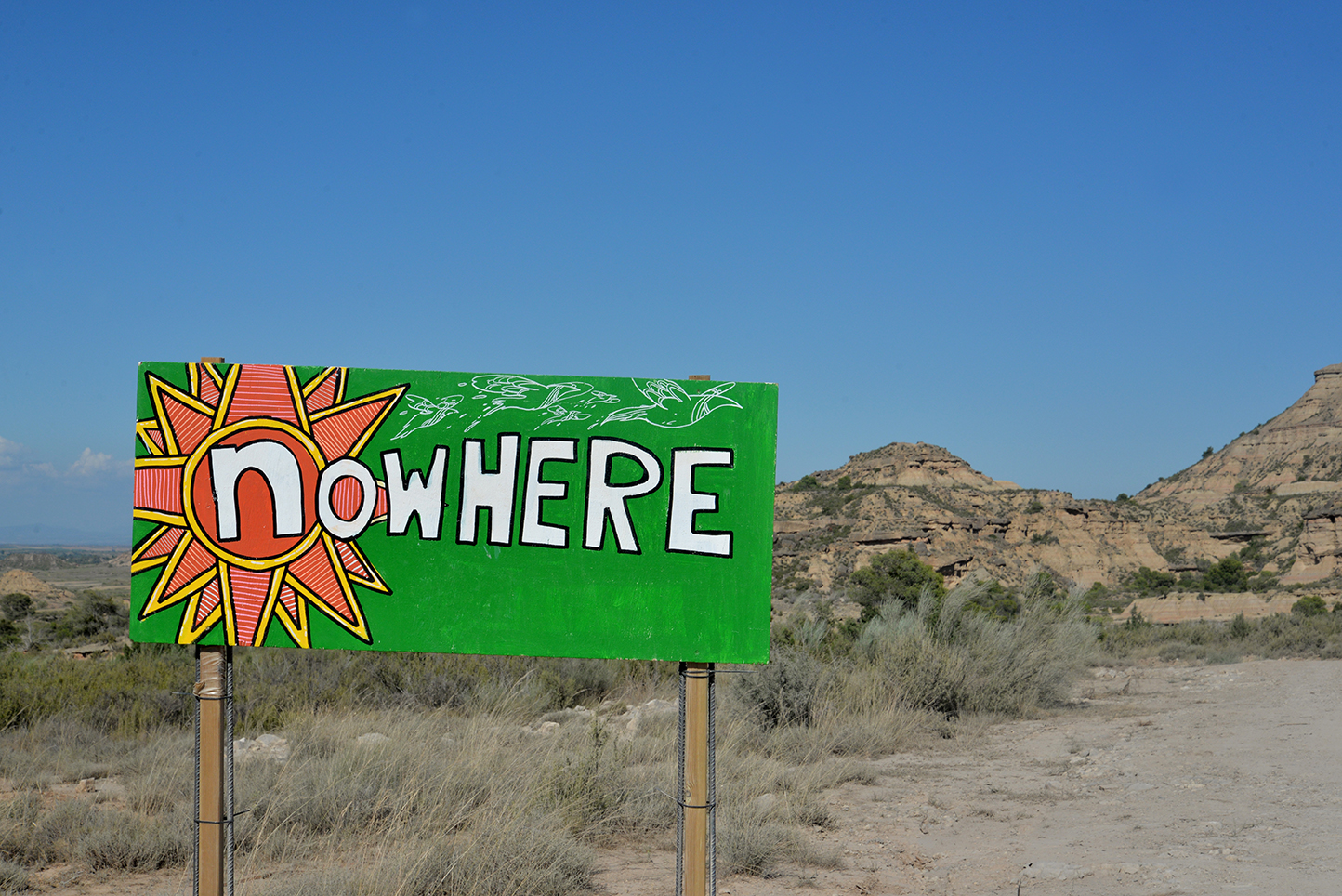
Nowhere Festival in Spain.
A new chapter at Elsewhere.
Search for Nowhere Festival and you will find photographs of improbable structures, colourful camps and people making a temporary home in the Spanish desert. Those images capture the appeal of a gathering built around creativity and participation: the chance to help create an extraordinary place, then pack it away again.

Updated
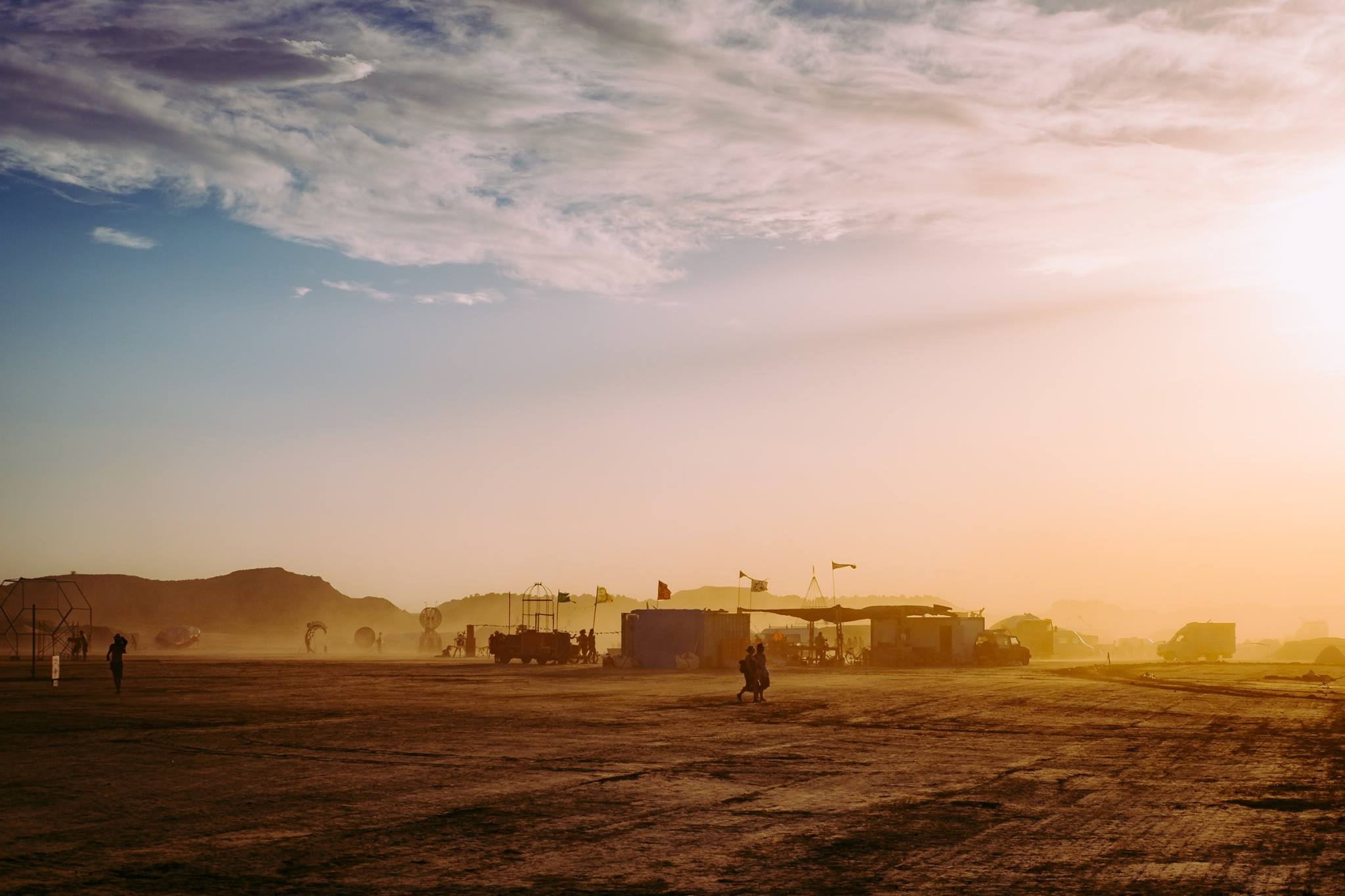
About this guide: official event information checked on 24 October 2026. Photographs show archival Nowhere scenes; future event arrangements must be confirmed with Elsewhere.
Today, that search also leads to a new name: Elsewhere. For anyone who remembers Nowhere, or has only recently discovered it, Elsewhere is the event to explore next. Its organisers describe a newly founded gathering with familiar barrios and a shared community ethos. The connection is real, although the story involves more than a straightforward name change. Explore Elsewhere’s official FAQ.
Has Nowhere Festival changed its name to Elsewhere?
People looking for Nowhere Festival now encounter Elsewhere, but the official explanation deserves a little care. The former producer, Going Nowhere SL, has announced that it will no longer produce Nowhere. Elsewhere, meanwhile, was newly founded under Nobodies Collective, a member-owned, non-profit association in Spain. Read Elsewhere’s explanation.
For readers, the useful connection is the community: Elsewhere explicitly welcomes people hoping to find familiar camps and the ethos associated with earlier gatherings in the desert. Its FAQ also describes Elsewhere as an official Burning Man Regional event.
If you arrived here searching for Nowhere tickets or the next Nowhere Festival, follow the current Elsewhere channels. That is where to find announcements about the new event, rather than relying on old ticket pages or past festival listings.
What made Nowhere Festival different?
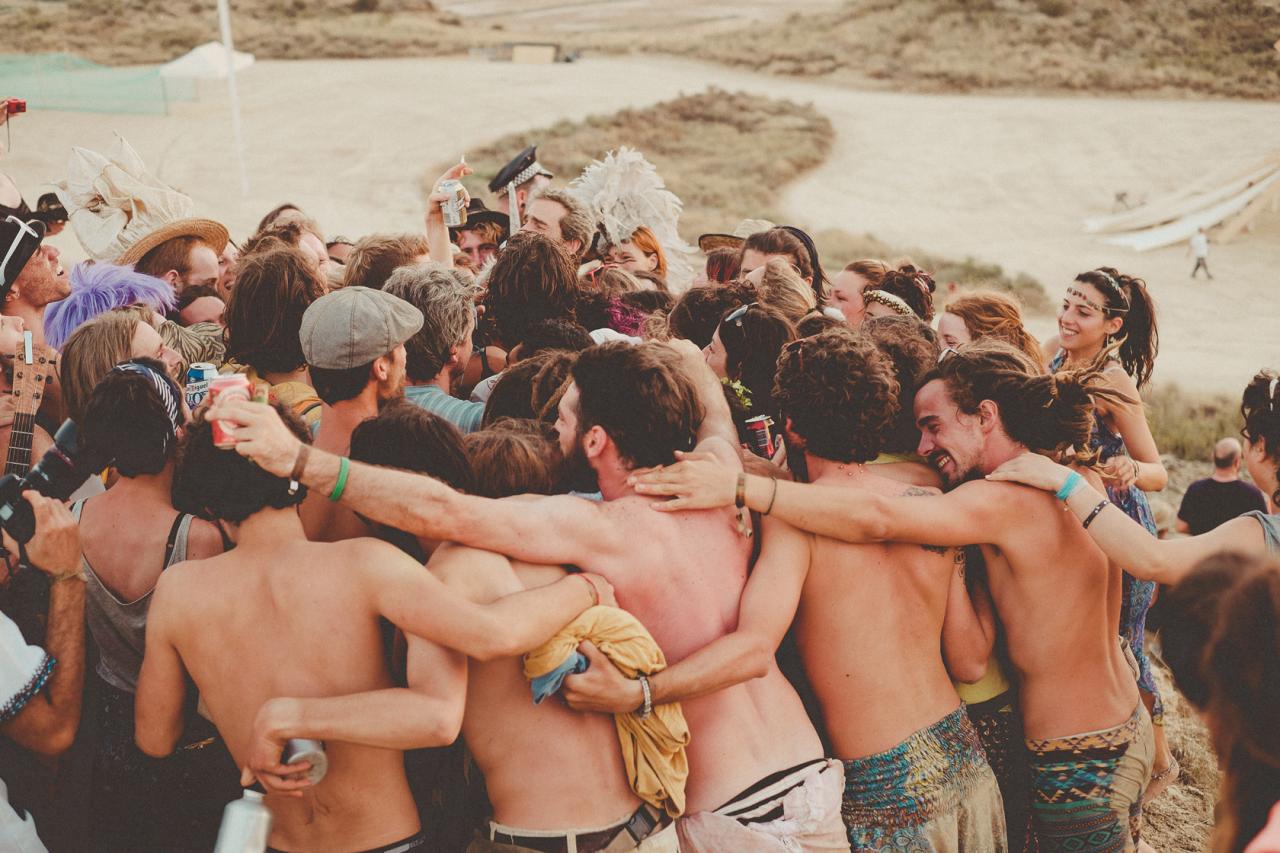
Nowhere described itself as an experiment in creative freedom, participation and a community without ordinary commerce. Its participants conceived the gathering, built it, inhabited it and dismantled it. Art, performances, workshops, camps and unusual vehicles emerged from what people chose to contribute. That participatory approach also runs through Elsewhere’s community vision.
That approach changes how you prepare. A ticket brings you into a setting where your contribution matters. You might help cook, create a small installation, offer a skill or lend a hand with an unglamorous task. The experience depends on people taking those possibilities seriously.
For a newcomer, the attraction is having permission to try. You can arrive with an idea that would feel out of place in everyday life and work out how to share it responsibly. Creativity becomes something you practise alongside the people around you.
Where does it take place in Spain?
Elsewhere’s completed 2026 edition took place in the Monegros desert, in Huesca province, Aragón, in northern Spain. Its travel information identifies Sariñena as the nearby town and describes a rural approach with an unpaved final stretch. Elsewhere’s travel information.
The location helps explain why preparation matters so much. Getting yourself and your equipment to a remote site takes coordination, particularly when you are carrying camping gear, supplies or an art project. Think about the entire journey, including the final leg and the trip home.
Treat published 2026 coach schedules and travel arrangements as historical references. For a future edition, wait for confirmed site information and the relevant participant instructions before fixing your route. A familiar region does not make last year’s transport details current.
A community guided by shared principles
Nowhere’s principles included self-expression, self-reliance, participation, inclusion, gifting, cooperation and leaving no trace. They offer a useful way to understand the culture that draws people to this kind of gathering, and the values expressed in Elsewhere’s principles.
Self-expression makes space for unusual ideas and ways of being. Self-reliance asks you to prepare for your needs. Cooperation recognises that shared work can make ambitious things possible, while inclusion asks participants to make room for others.
These ideas become meaningful through everyday decisions: whether you help when something needs doing, whether your project respects its neighbours, and whether you have planned how to remove everything you bring.
Art, music and the pleasure of discovery
Elsewhere’s 2026 art programme welcomed installations, interactive pieces, art vehicles, functional projects and a dedicated reflective space called the Temple. It also made room for small, playful works. Scale and experience were not prerequisites. Explore Elsewhere’s art programme archive.
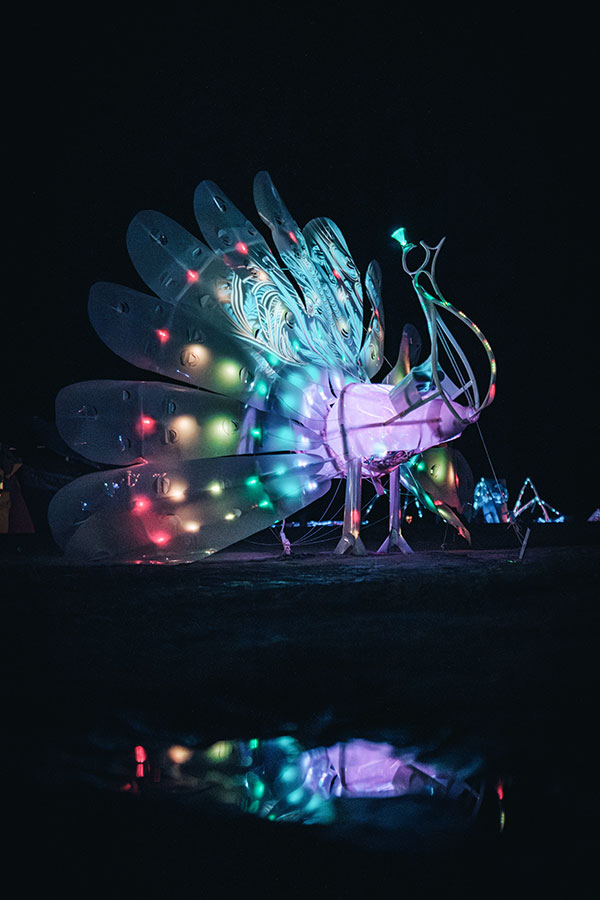
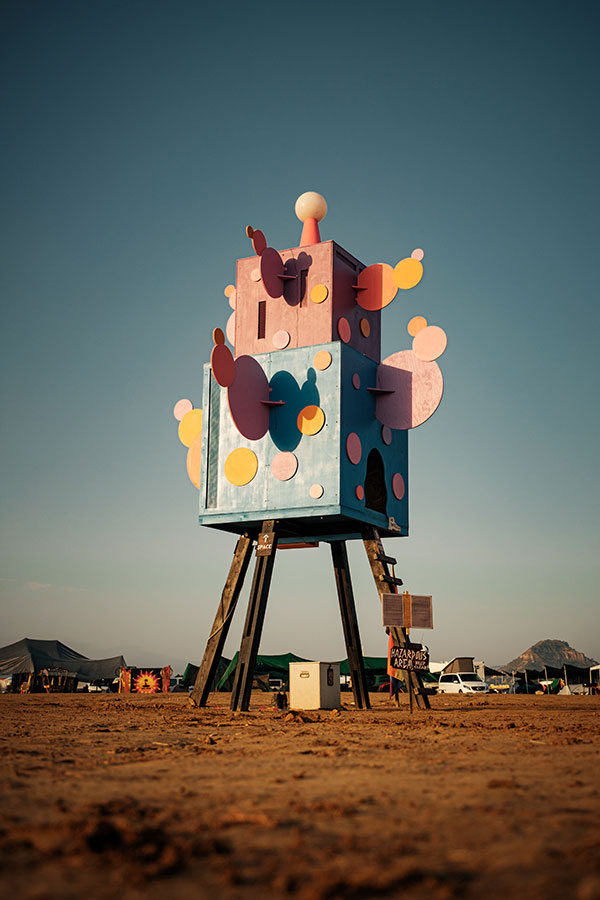
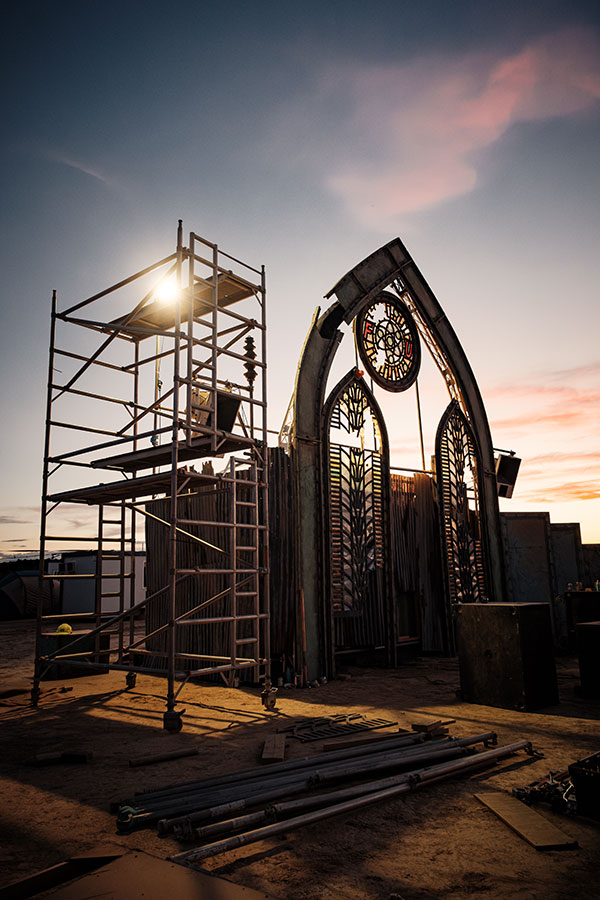
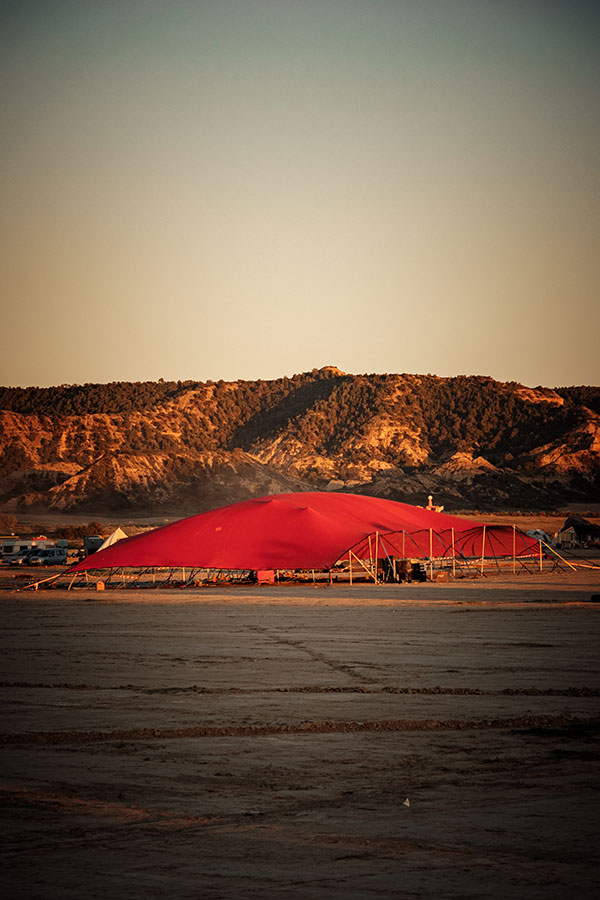
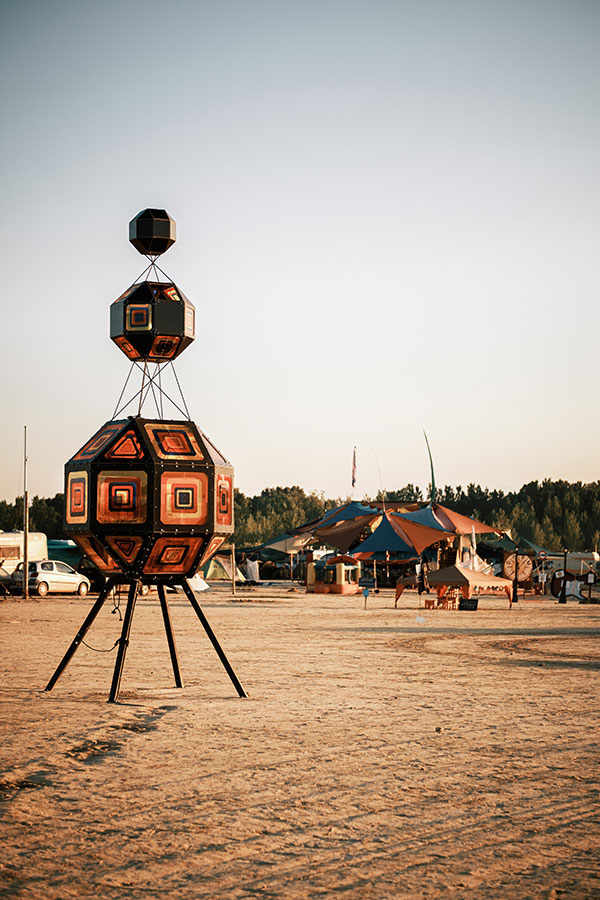
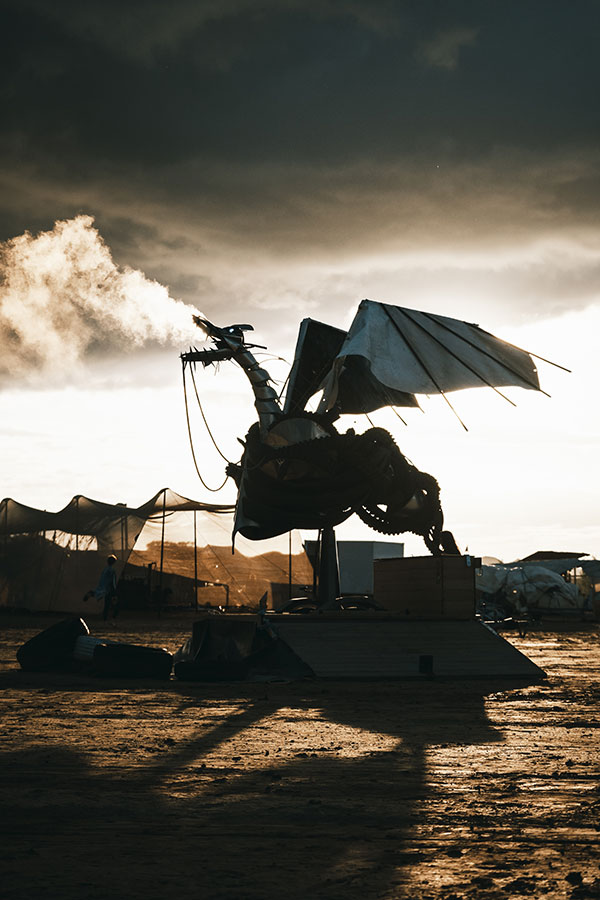
The archival Nowhere photographs give that creativity a tangible shape. A tilted cube is threaded with colour against the dusty ground; elsewhere, an illuminated peacock spreads its tail into the night. The setting makes the contrast striking: rough earth and practical camp structures beside objects created simply to surprise and delight.
An intimate idea can invite as much curiosity as a large sculpture. Elsewhere’s 2026 programme prioritised feasibility, safety, participation, creativity and the ability to remove the finished work responsibly.
If you are imagining a contribution, start with the experience you want to offer. How will someone encounter it? Can they interact with it? What materials and help will it need? Those questions make an idea easier to share and build.
Music and performance were also ways to participate at Nowhere, alongside workshops and collaborative projects. The invitation was broad enough to include people whose creativity takes many different forms. Discover the current approach through Elsewhere’s volunteering and participation information.

Barrios: finding your desert neighbourhood
Barrios are participant-run camps, and they are central to understanding life at Elsewhere. Working together lets a group divide the practical demands of desert camping and keep energy for shared projects and experiences. Learn about Elsewhere’s barrios.
For someone attending for the first time, a camp can offer a useful starting point for meeting people and planning together. Before committing, ask how the group works: what responsibilities members share, what supplies are organised collectively, and what each person must arrange independently.
Joining a barrio is optional. Elsewhere also describes freecamping, where individuals or small groups organise their own food, water and shade. That offers independence, with the preparation and work that independence requires. Choose the arrangement you can support properly.
Gifting and the costs behind the experience
Elsewhere’s published principles describe gifting as unconditional: giving without expecting an equivalent return. Its community model also centres on mutual support and shared effort. A useful contribution might be your time, a skill or something you have made for others to enjoy. Explore Elsewhere’s principles.
Preparing for the event still involves real expenses. The 2026 participation terms required attendees to bring adequate food, water, shelter and supplies, and restricted commercial activity on site. Higher ticket tiers did not provide separate VIP areas or priority access. Elsewhere’s 2026 participation terms.
When making a budget, consider the whole undertaking: travel, equipment, supplies and any arrangements with your camp. Planning those costs helps you understand what you are committing to before buying a ticket.
Volunteering is part of belonging
Elsewhere’s volunteering guide says every participant, including organisers, DJs, artists and newcomers, buys a ticket and is expected to contribute. Roles span welcoming people, preparing food, supporting artists, coordinating logistics, maintaining infrastructure and dismantling the site. Read about volunteering at Elsewhere.
This gives newcomers a practical way into the community. A defined task provides people to meet, a shared purpose and a reason to feel involved. You do not need to arrive with an elaborate creative project to make a difference.
Build and strike extend beyond the public event dates. Anyone interested in helping during those periods should check the current opportunities and requirements directly, since arrangements for a future edition may change.
Preparing for the desert
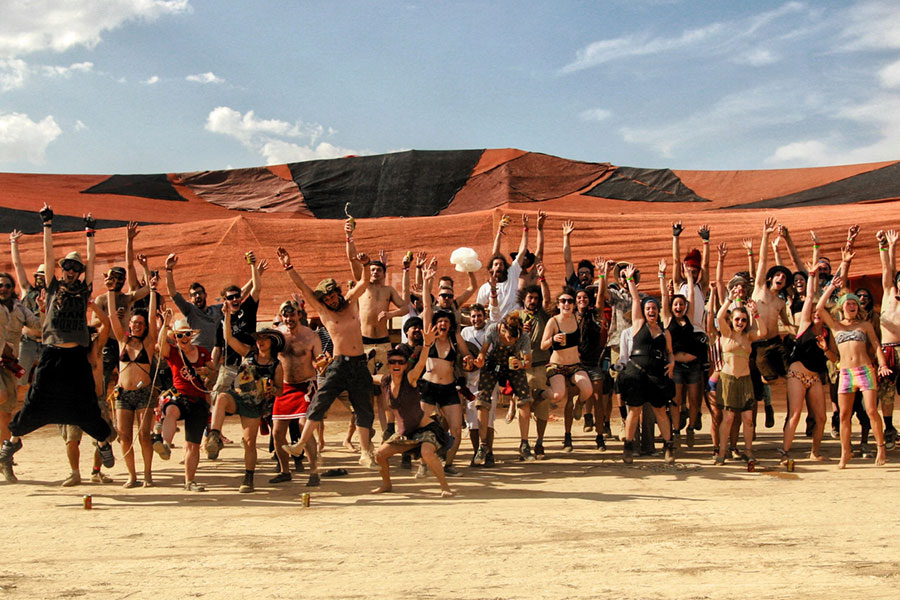
Nowhere’s landscape looks striking in photographs, but packing needs to account for exposure, dust, wind and changing conditions. Elsewhere’s 2026 survival guide included shelter and shade, suitable footwear, layers, sun protection, a reusable water bottle and cup, lighting, earplugs and rubbish bags among its essentials. Browse the archived survival guide.
Use that archive to understand the level of preparation involved, then follow the updated guide for the edition you plan to attend. Confirm exactly what your camp provides and what remains your responsibility.
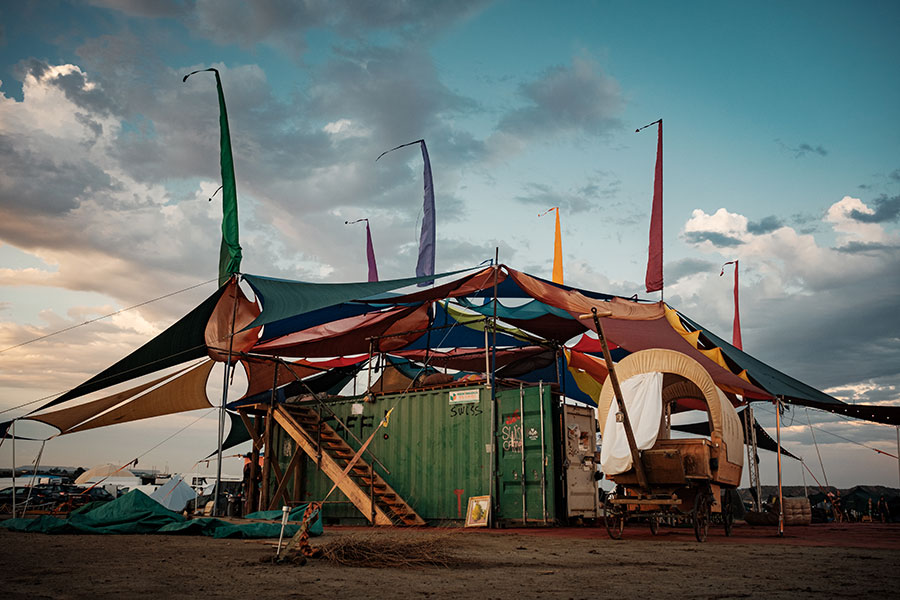
The photographs show why shade becomes part of the architecture of the gathering. Colourful sails and broad canopies turn exposed ground into places where people can pause, talk and spend time together.
Consent, photographs and looking after each other
Elsewhere’s Code of Conduct makes consent part of everyday community life. It applies to physical contact, borrowing belongings, entering private spaces, gifting, and taking or sharing photographs and video. Consent must be voluntary, informed, specific and reversible. Read Elsewhere’s Code of Conduct.
That matters in a place where people may be experimenting with appearance, expression or personal boundaries. Ask before photographing someone, and make sure permission covers sharing the picture as well as taking it. Respect a refusal without turning it into a negotiation.
The same consideration helps with quieter interactions. Check before entering a private camp area or borrowing equipment. Give people room to step away from an activity. Being welcoming includes respecting how much involvement another person wants.
Leaving the desert as you found it
At Nowhere, leaving no trace meant clearing every part of the gathering, including structures, materials and small pieces of rubbish. Responsibility continued after the party ended. The same commitment to the land is central to Elsewhere’s principles.
Think about that obligation before you pack. Choose belongings and decorations you can secure, maintain and take home. Plan how your project will come apart and how its materials will leave the site.
Allow time and energy for departure, too. The last morning is easier when you have considered storage, transport and cleaning in advance. Helping return a temporary home to empty ground is part of the experience you are choosing.
Elsewhere dates and the next step
Elsewhere took place on 7–12 July 2026. As of 24 October 2026, members’ preferred dates for the next edition are 7–13 June 2027, but those dates remain subject to approval. The official dates page says confirmation from INAGA is still awaited. Check Elsewhere’s 2027 dates.
The current FAQ says 2027 tickets are not yet on sale. Follow official announcements before making bookings around the proposed week. Check the latest ticket information.
If searching for Nowhere Festival brought you here, start by getting to know the Elsewhere community. Read, ask, explore and consider what you could bring to a temporary desert town. The most useful first step is simple: visit the official Elsewhere website.
Archival photography sourced from the Nowhere website. These photographs show earlier Nowhere gatherings, rather than Elsewhere 2026.
About Rob Horsfall
Rob has been interested in spirituality since visiting India in 2002. After completing his philosophy studies at university, he continued studying the Buddha's teachings in Sri Lanka. He returned in 2011 and now spends his time developing Review My Retreat, studying acupuncture and integrating insights from different spiritual traditions into everyday life.
You must be logged in to post a comment.